
Munich Airport (MUC): overview, facilities, history and role
Major international airport northeast of Munich (IATA: MUC). Hub for Lufthansa and Star Alliance, with two main terminals, extensive ground links, and a prominent role in German and European air traffic.
Overview
Munich Airport (IATA: MUC) lies about 28 km northeast of Munich and is one of Germany's principal international airports. It functions as a principal hub for Lufthansa and many carriers of the Star Alliance. The airport handles a mix of short-haul European flights and long-haul intercontinental services and has seen steady passenger growth since the late 20th century. Historical figures show that in 2008 the airport accommodated 34.53 million passengers; contemporary totals have varied with market and capacity changes—see archived statistics at 2008 passenger data.
Image gallery
10 Images


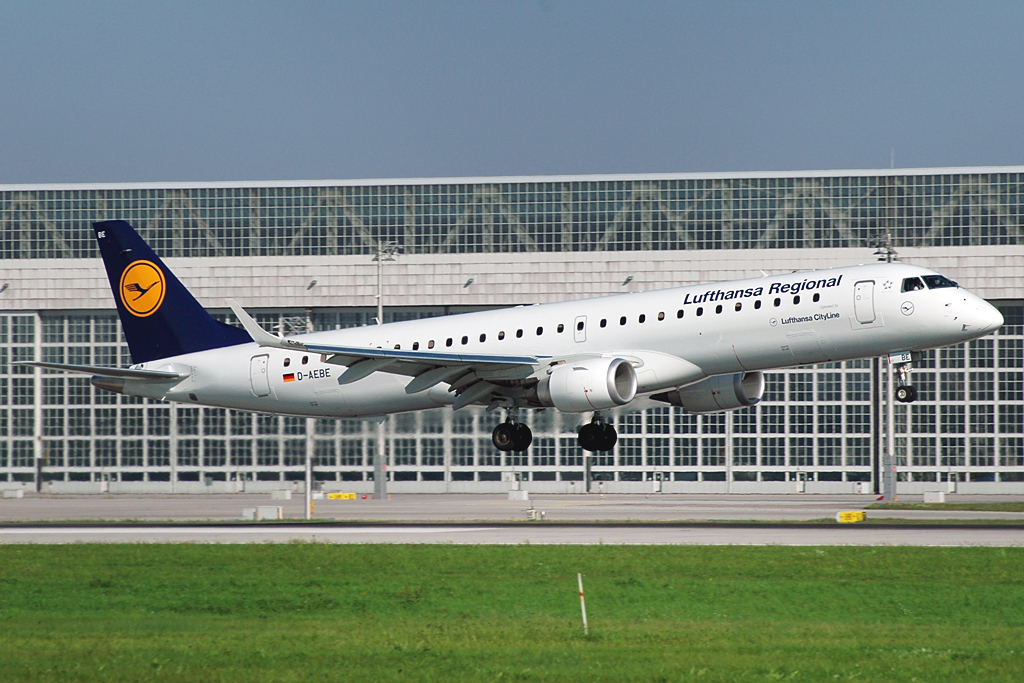


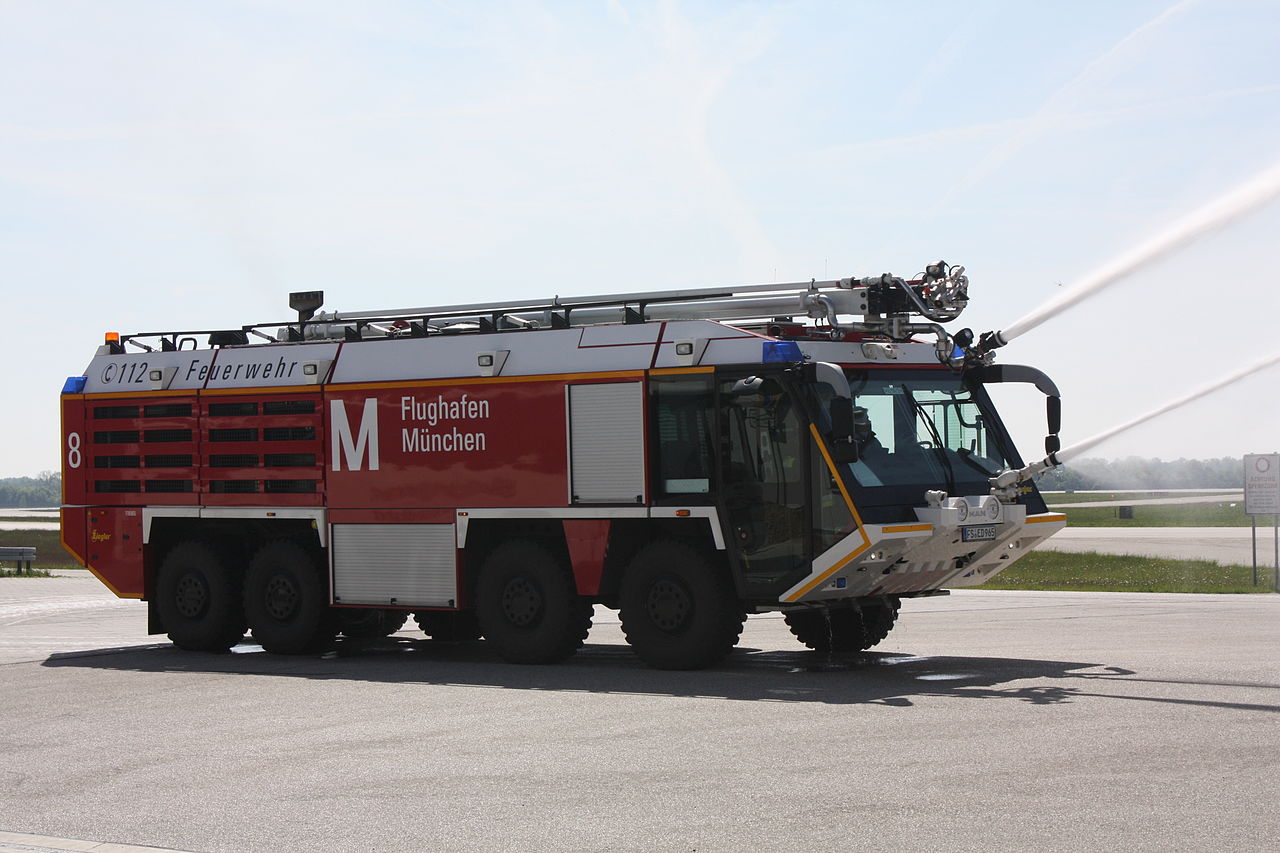
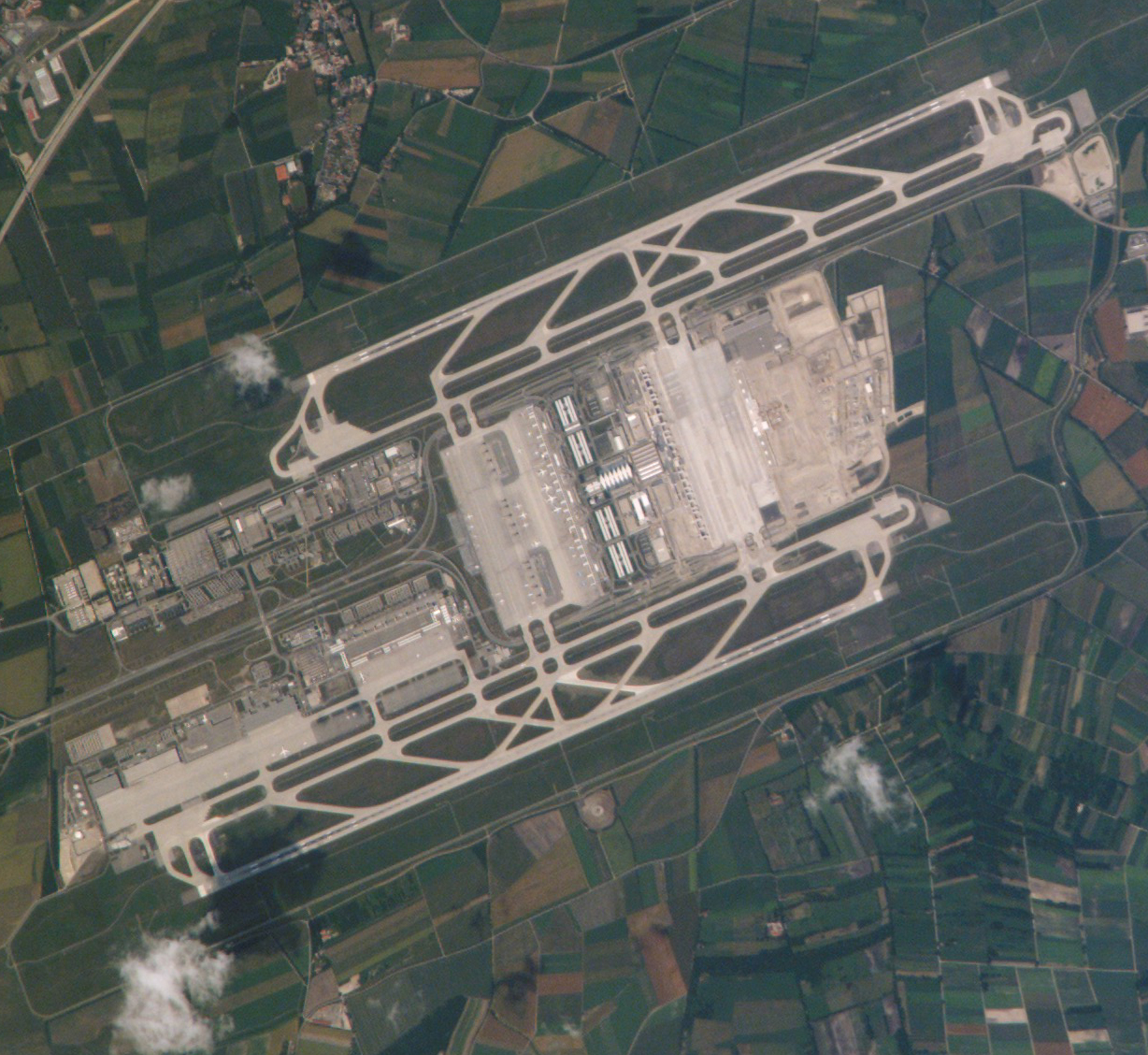


Terminals and facilities
Passenger operations are concentrated in two main terminal complexes, designed to separate alliance and non-alliance carriers for efficient transfers. Facilities include an inter-terminal satellite concourse, extensive shopping and dining areas, business lounges and cargo handling zones. A collection of ground services—aircraft maintenance, freight logistics and on-site hotels—supports both passenger convenience and airline operations.
Characteristics and transport links
- Location: 28 km northeast of the city center, accessible by road and rail.
- Code: MUC (IATA).
- Airline base: Major hub for Lufthansa and Star Alliance partners.
- Ground connections: Regional rail links (S-Bahn), long-distance coaches and motorways provide regular access to Munich and beyond.
History and development
The present Munich Airport replaced the older Munich-Riem facility and opened to commercial traffic in the early 1990s. Since then it has undergone several expansion phases to add capacity, improve transfer connections and modernize passenger amenities. Development has focused on increasing transfer efficiency and expanding terminal space while balancing environmental and community concerns in the surrounding region.
Role, significance and comparisons
Within Germany, Munich Airport ranks as the country’s second-busiest airport after Frankfurt am Main, serving as a complementary international gateway and transfer hub. It is frequently listed among the largest airports in Europe and has been cited in rankings of continental traffic and connectivity; for regional comparisons see summaries at European ranking. The airport is important for business travel, tourism to Bavaria and connecting traffic between Europe and other continents.
Practical notes and services
Passengers can expect a range of traveler services including lounges, retail, currency exchange and frequent intermodal connections. Ongoing investments aim to improve punctuality, passenger experience and environmental performance, reflecting the airport's role as a modern transport hub serving Munich and southern Germany.
Questions and answers
Q: What is the IATA code for Munich Airport?
A: The IATA code for Munich Airport is MUC.
Q: How far away from Munich city is the airport located?
A: The airport is located 28 km north east of Munich city.
Q: Which airlines are mainly used at this airport?
A: Lufthansa and the Star-Alliance, which Lufthansa is in, are mainly used at this airport.
Q: How many passengers used the airport in 2008?
A: In 2008, 34.53 million passengers used the airport.
Q: Is it the most important airport in Germany?
A: No, after Frankfurt am Main it is the second most important airport in Germany.
Q: Where does it rank among airports in Europe?
A: It is ranked 8th largest among airports in Europe.
Related articles
Author
AlegsaOnline.com Munich Airport (MUC): overview, facilities, history and role Leandro Alegsa
URL: https://en.alegsaonline.com/art/67537