
Mullumbimby (town in New South Wales)
Mullumbimby is a small town in the Northern Rivers region of New South Wales, Australia, known for its alternative culture, community markets, and the landmark Mount Chincogan.
Overview
Mullumbimby is a small town in the Northern Rivers region of New South Wales and lies within coastal Australia. Often described by locals as "The Biggest Little Town in Australia," it functions as a quieter, community-minded alternative to nearby coastal centres. The town sits close to fertile valleys and remnant subtropical rainforest, with a distinctive hill, Mount Chincogan, forming part of its skyline.
Image gallery
7 Images




Characteristics and built environment
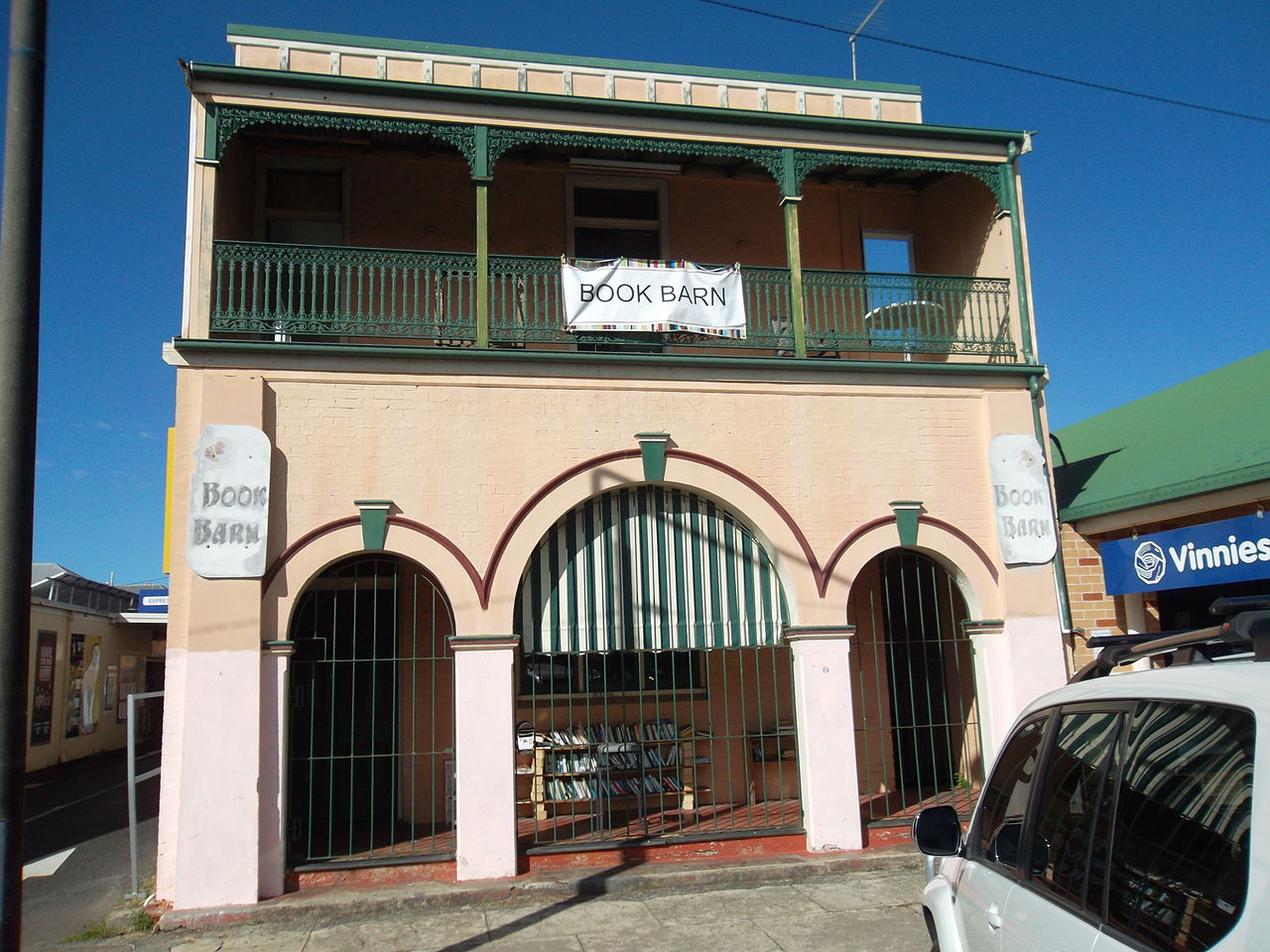
The town centre mixes low-rise commercial buildings, cafés and shops with older timber and brick structures that reflect its rural past. Community facilities include local markets, artisan studios and small cooperative enterprises. Public spaces and small parks are used regularly for community events and informal gatherings, contributing to a village atmosphere where local trades, crafts and hospitality coexist.
History and development
Mullumbimby developed as a service centre for surrounding agricultural land and timber resources. Over time it has attracted a diverse population, including farmers, artists and people seeking a lifestyle oriented toward sustainability and local enterprise. While it has grown in reputation as a cultural enclave, it remains rooted in a mixed rural economy and regional networks.
Culture, economy and natural setting
Culture in Mullumbimby emphasises markets, live music, local food and creative industries. The local economy is a blend of small-scale agriculture, tourism, hospitality and crafts. The town is also a gateway for visitors exploring nearby beaches, rainforests and walking tracks, offering a quieter base than more heavily visited coastal towns.
Notable facts and visitor tips
- Nickname: widely known as "The Biggest Little Town in Australia" as a point of local pride.
- Landmark: Mount Chincogan is a prominent natural feature often associated with the town's identity.
- Community life: regular markets, independent shops and cultural events make it popular with visitors seeking local food and artisan goods.
Mullumbimby represents a blend of rural heritage, creative community life and environmental attractions, offering an experience distinct from larger coastal resorts while remaining accessible to regional visitors and day-trippers.
Related articles
Author
AlegsaOnline.com Mullumbimby (town in New South Wales) Leandro Alegsa
URL: https://en.alegsaonline.com/art/67445
Sources
- censusdata.abs.gov.au : "Mullumbimby (State Suburb)"
- elections.nsw.gov.au : "NSW Electoral District – Ballina"
- apps.aec.gov.au : "Federal Division – Richmond"
- byron-bay-beaches.com : "Mullumbimby"