
Mukim: subdistrict or township in parts of Southeast Asia
A mukim is a local administrative subdistrict—commonly translated as 'township'—used in Brunei, Indonesia, Malaysia and Singapore. It sits between district and village levels and varies by country.
Overview
A mukim is a traditional administrative subdivision found in several Southeast Asian countries. The term is often rendered in English as "township" or "subdistrict," although exact functions and size vary. Mukims typically group a number of villages or settlements and serve as an intermediary level of local administration between the district and the village.
Image gallery
5 Images

Characteristics
Common features include local boundaries used for governance, land records and community organisation. A mukim may be led by a local head or official who represents the cluster of villages for administrative and customary matters. In practice, a mukim can be used for census reporting, revenue collection, land surveying and coordination of public services.
Regional variations
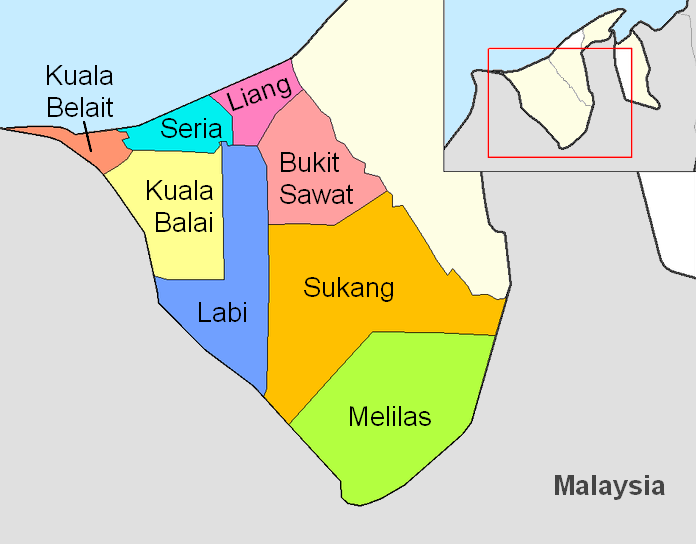
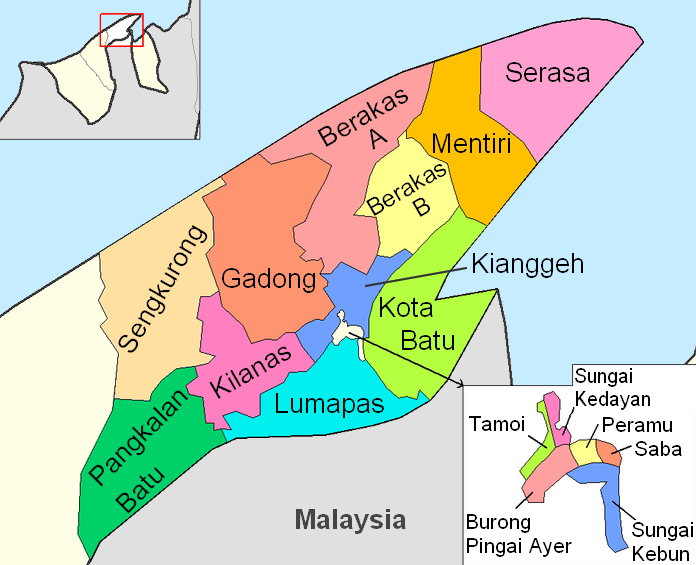
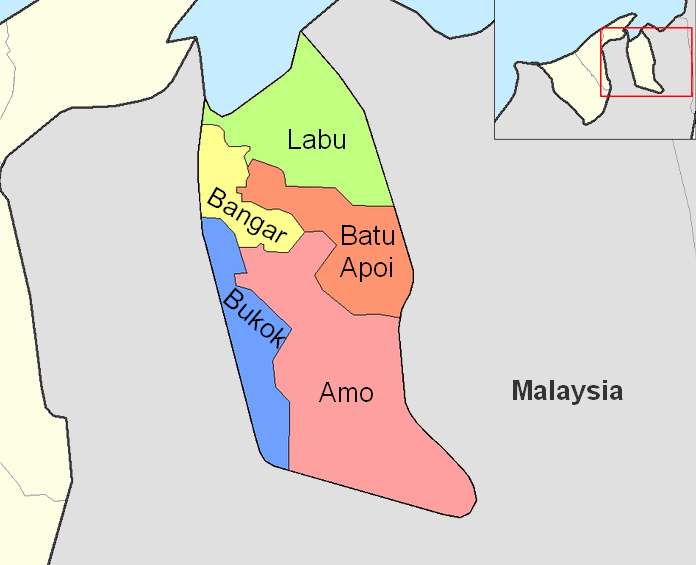
- Brunei: mukims subdivide districts and contain several villages; they are part of the formal administrative hierarchy. See Brunei administration.
- Malaysia: mukims are subdivisions of districts (daerah) and typically encompass a number of kampung (villages) and smaller settlements. See Malaysian divisions.
- Indonesia: the term appears in some provinces or customary systems to denote a traditional territorial unit; usage and authority differ regionally. See Indonesian context.
- Singapore: mukim is used in land surveys and cadastral mapping to identify subdistrict areas rather than as an active layer of political government. See Singapore land divisions.
History and etymology
The word mukim has roots in Malay usage and is related to terms meaning "place of residence" in Arabic-derived vocabulary used across the region. Its role developed historically as communities and polities organised local jurisdictional units for taxation, customary law and resource management.
Function and importance
Mukims remain relevant for administration, land registration and cultural identity. They provide a practical scale for coordinating services between the district authorities and village leaders, and they are commonly referenced in legal documents, maps and government statistics. For general context on administrative divisions, consult administrative division resources.
Related articles
Author
AlegsaOnline.com Mukim: subdistrict or township in parts of Southeast Asia Leandro Alegsa
URL: https://en.alegsaonline.com/art/67405
Sources
- prpm.dbp.gov.my : "Carian Umum"