
Muiz ud din Qaiqabad
Sultan of the Delhi Sultanate (1287–1290), grandson of Balban; his short, troubled reign weakened the old Mamluk (Slave) elite and ended with the dynasty's replacement by the Khalji line.
Overview
Muiz ud din Qaiqabad (c.1269 – 1 February 1290) was the tenth ruler of the Mamluk or 'Slave' dynasty that headed the early Delhi Sultanate. He ascended the throne in 1287 as the grandson of Sultan Ghiyas ud din Balban and ruled until his death in 1290. His accession and brief reign occurred during a period of internal factionalism and diminishing central control.
Image gallery
5 Images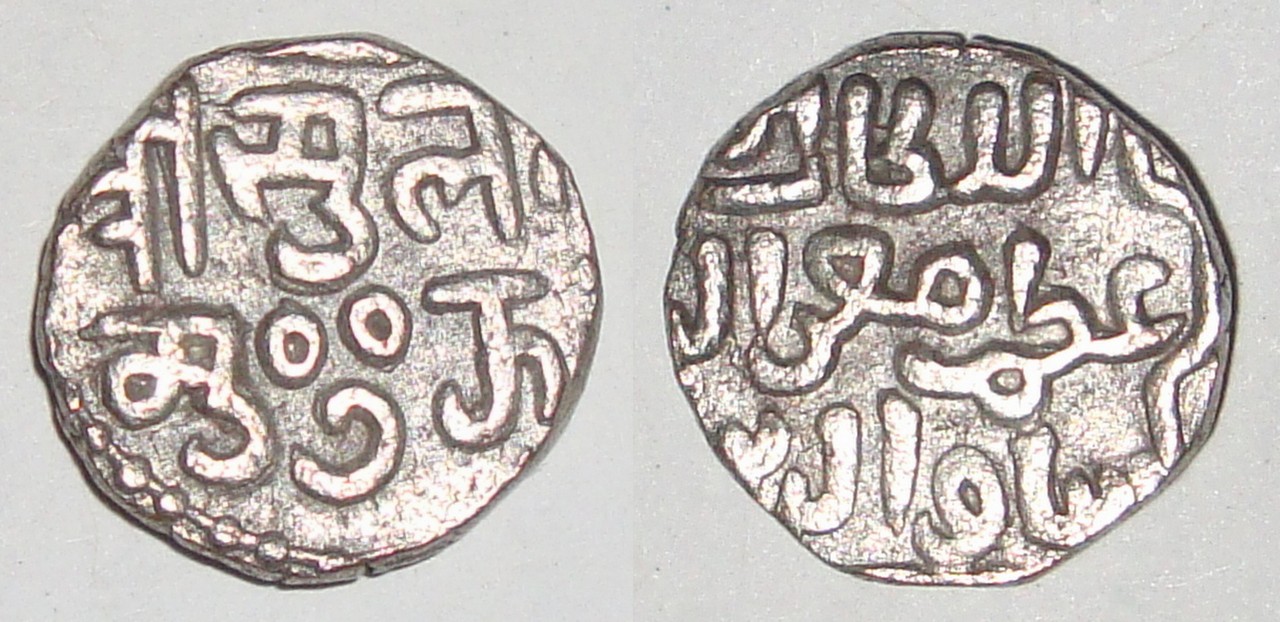


Background and accession
Qaiqabad was raised within the royal household and was placed on the throne by Fakruddin, the kotwal (chief of police) of Delhi, shortly after Balban's death. The Mamluk dynasty, founded by former slaves, had established many of the administrative and military structures of the early Sultanate, and Qaiqabad inherited a court dominated by powerful nobles and military officers.
Reign and challenges
Contemporary accounts portray his reign as marked by weak personal authority and the growing influence of regional commanders and court factions. Facing unrest and competing power centres, the sultan struggled to maintain the centralized discipline that Balban had enforced. This erosion of royal control contributed to political instability across the realm.
Downfall and succession
Qaiqabad's rule ended in 1290, when he was killed amid palace conspiracies. His brief successor, an infant son, was unable to hold power. Soon afterwards the Mamluk line was displaced by the Khalji dynasty, beginning with Jalal ud din Firuz Khalji. That transition marked a major shift in the leadership of the Delhi Sultanate.
Significance and legacy
Although his reign was short, Qaiqabad's period on the throne is often seen as the closing chapter of the original Mamluk house. The loss of centralized authority during his rule helped create the conditions for a dynastic change and a reconfiguration of the political elite in northern India.
Key facts
- Dynasty: Mamluk (Slave) dynasty
- Reign: 1287–1 February 1290
- Relationship: grandson of Sultan Balban
- Historical importance: his death preceded the rise of the Khalji dynasty
For a broader understanding of the period, study of the late 13th-century Delhi court, the role of military elites, and the causes of dynastic turnover is recommended. Primary chronicles and later historical analyses provide the main sources for this transitional phase of the Sultanate.
Related articles
Author
AlegsaOnline.com Muiz ud din Qaiqabad Leandro Alegsa
URL: https://en.alegsaonline.com/art/67400