
Muhammad Ismail Khan (1886–1958)
Nawab Muhammad Ismail Khan (1886–1958) was a senior All India Muslim League leader, an educational administrator at Aligarh Muslim University, and a member of the United Provinces legislative assembly in British India.
Overview
Nawab Muhammad Ismail Khan (1886–1958) was a prominent figure in late British‑era Indian Muslim public life. He combined roles in politics and higher education, and is remembered for his association with the All India Muslim League and with Aligarh Muslim University. His career spanned the final decades of British rule and the tumultuous period around Indian independence.
Image gallery
7 Images

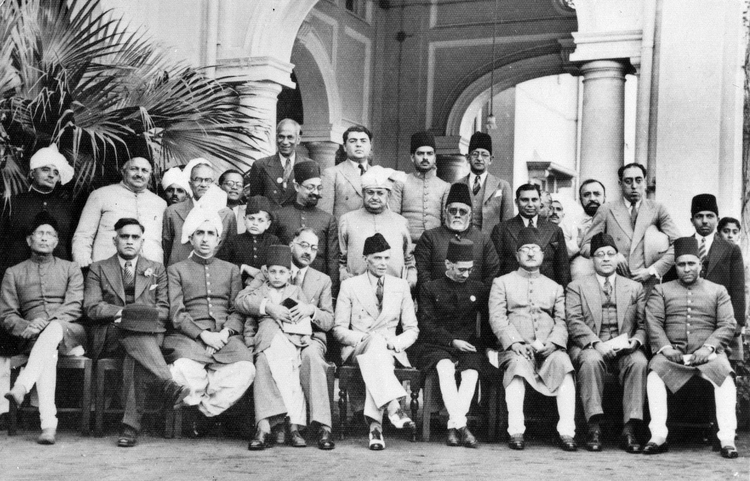


Career and official roles
Khan held several public positions during his life. He is recorded as a senior leader in the All India Muslim League and as a member of the United Provinces (now Uttar Pradesh) legislative assembly during British India. He also served in leadership at Aligarh Muslim University, including as Vice‑Chancellor, where he took part in university governance and academic administration.
Contributions to education
As an administrator associated with Aligarh Muslim University, Khan worked within an institution that was central to modern Muslim education in South Asia. AMU promoted higher learning, Urdu and English scholarship, and professional training for Muslim youth; leaders who served there often balanced academic priorities with community concerns. Khan's role linked the university's educational mission to broader social and political currents of the time.
Political activity and context
Khan's political work took place within the framework of the All India Muslim League, the principal Muslim political organization during the early 20th century. The League advocated for political representation and the protection of Muslim interests amid debates over constitutional reform, communal representation, and eventual questions about independence and partition. As a provincial legislator in the United Provinces, Khan participated in local and regional politics under colonial constitutional arrangements.
Positions and affiliations
- Senior leader in the All India Muslim League
- Vice‑Chancellor and senior administrator at Aligarh Muslim University
- Member of the United Provinces legislative assembly (UP legislative assembly) in British India
- Holder of the hereditary title "Nawab," reflecting a social standing within Muslim aristocratic circles
Legacy and notable facts
Muhammad Ismail Khan is remembered primarily for bridging educational leadership and Muslim political activism in a formative era. Figures with similar careers helped shape institutional and political responses to the challenges faced by South Asian Muslims in the first half of the 20th century. While not as widely known internationally as some contemporaries, his service at Aligarh and in provincial politics represent the local and institutional efforts that underpinned larger national debates.
For more information on the university with which he was associated and the legislative body in which he served, see the institution and assembly entries linked above: Aligarh Muslim University and United Provinces (UP) legislative assembly.
Related articles
Author
AlegsaOnline.com Muhammad Ismail Khan (1886–1958) Leandro Alegsa
URL: https://en.alegsaonline.com/art/67377