
Motorcycle trials: the sport of balance, obstacles and rider control
Motorcycle trials is a discipline that tests a rider's balance, machine control and line choice over natural or artificial obstacles; scored by penalties rather than being timed.
Overview
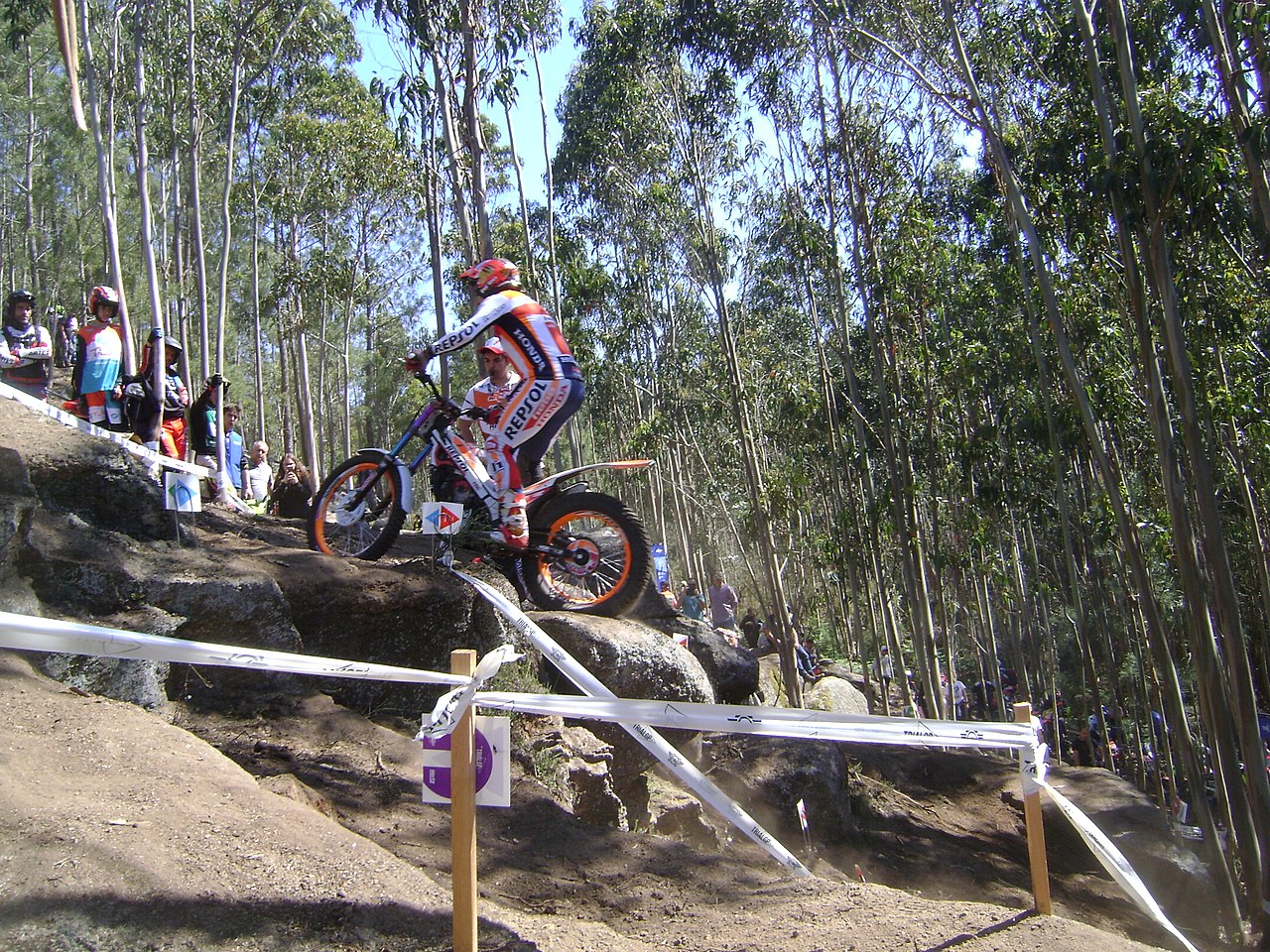
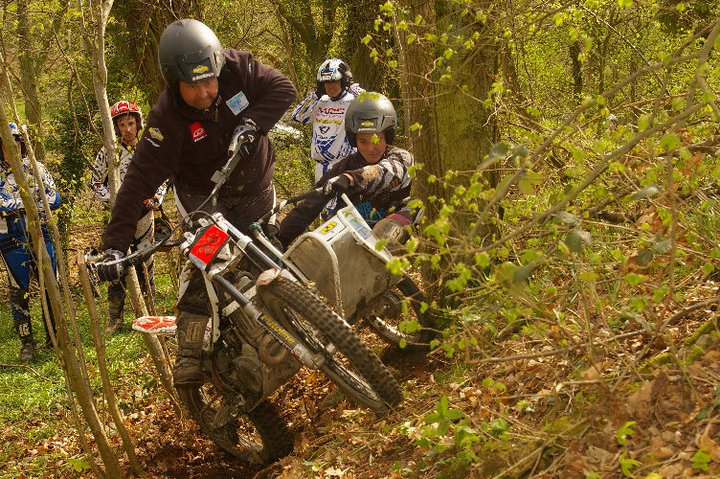
Motorcycle trials is a competitive and recreational discipline in which riders negotiate a series of challenging sections made up of rocks, logs, steep banks and man‑made obstacles. Unlike most motorcycle sports, trials are not raced for speed. The objective is to cross each section cleanly while minimizing mistakes and penalties. Success depends on balance, precise throttle and clutch control, and the ability to read terrain and choose the best line.
Image gallery
4 Images

Characteristics and equipment
Trials machines are purpose-built for low-speed maneuverability: they are lightweight, have short wheelbases, tall ground clearance and engines tuned for immediate torque rather than top speed. Some common features include minimal or no seat, very responsive clutches and low gearing. Specialized tires provide grip on wet rocks and dirt. Riders wear protective gear suited to slow, technical falls rather than high‑speed crashes.
Skills and techniques
Key skills include balance (both static and dynamic), precise throttle and clutch modulation, body positioning and hopping or pivoting the bike to change direction. Riders practice techniques such as track standing, wheel lifts, controlled slips and rear‑wheel hopping. Training focuses on repetition through sections to improve line choice and reduce "dabs"—the act of touching a foot to the ground, which incurs penalty points.
Competition format and scoring
Events are organized into observed sections. Competitors attempt each section in order while an official watches and records penalties for touches, falls, stalling or failing to complete the section. Scores are the sum of penalties across sections; the lowest score wins. Trials range from short outdoor club layouts to multi‑day endurance events and indoor televised "X‑Trial" arenas with highly technical artificial obstacles.
History and development
Trials developed from early 20th‑century reliability trials and motorcycle club events that tested machine and rider over rough terrain. Over decades the sport evolved, spawning specialized manufacturers and a community of clubs and championships. International competition and national series helped formalize rules and categories for different skill levels and machine types.
Uses, distinctions and notable facts
Beyond formal competition, trial riding is used to hone motorcycle control applicable to enduro, adventure riding and off‑road motorcycling in general. It is distinct from motocross and enduro by its non‑speed focus and emphasis on technical precision. For more on motorcycle design and variations see motorcycle design and types, and for resources on training and event rules consult official training and rule guides.
- Typical obstacles: rocks, rooty banks, steep slopes, logs, concrete structures.
- Common penalties: foot down (dab), fail to complete, ride outside section.
Related articles
Author
AlegsaOnline.com Motorcycle trials: the sport of balance, obstacles and rider control Leandro Alegsa
URL: https://en.alegsaonline.com/art/66927