
Motorcade: definition, composition, history and uses
An organized group of vehicles traveling together for official, ceremonial, security or funeral purposes. Covers typical composition, planning, historical development, protocols, legal issues and public impacts.
Overview
A motorcade (also called a convoy, carcade or autocade) is an organized group of motor vehicles traveling together in the same direction, typically for official, ceremonial, security or funeral purposes. Motorcades vary in size from a small two-vehicle escort to long processions with motorcycles, cars and logistical support. Their functions include transporting dignitaries, protecting principals, moving sensitive cargo and conducting ceremonial or commemorative journeys.
Image gallery
10 Images




Typical composition
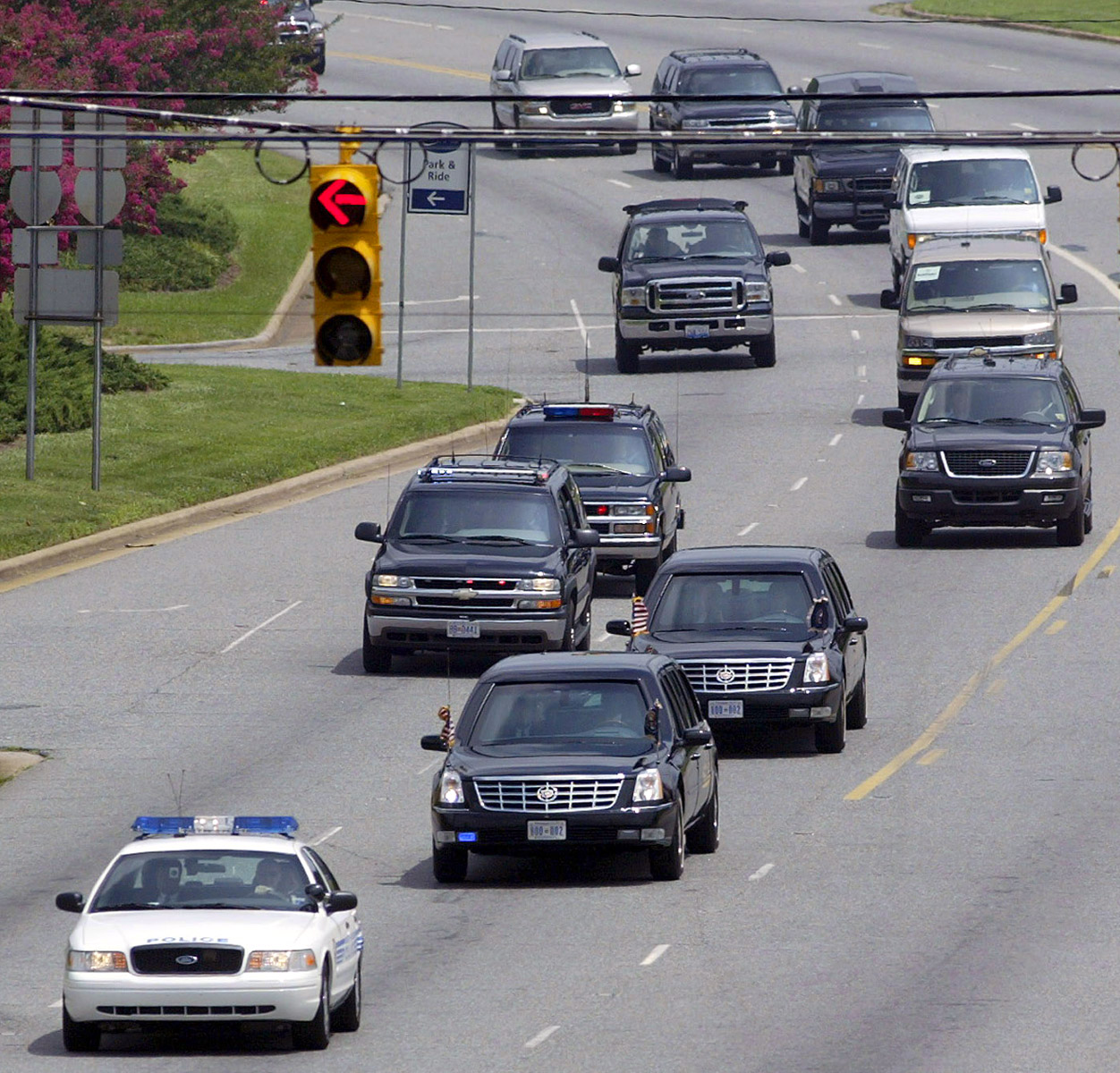
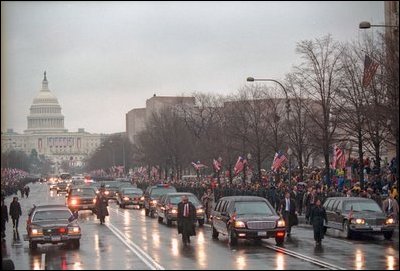
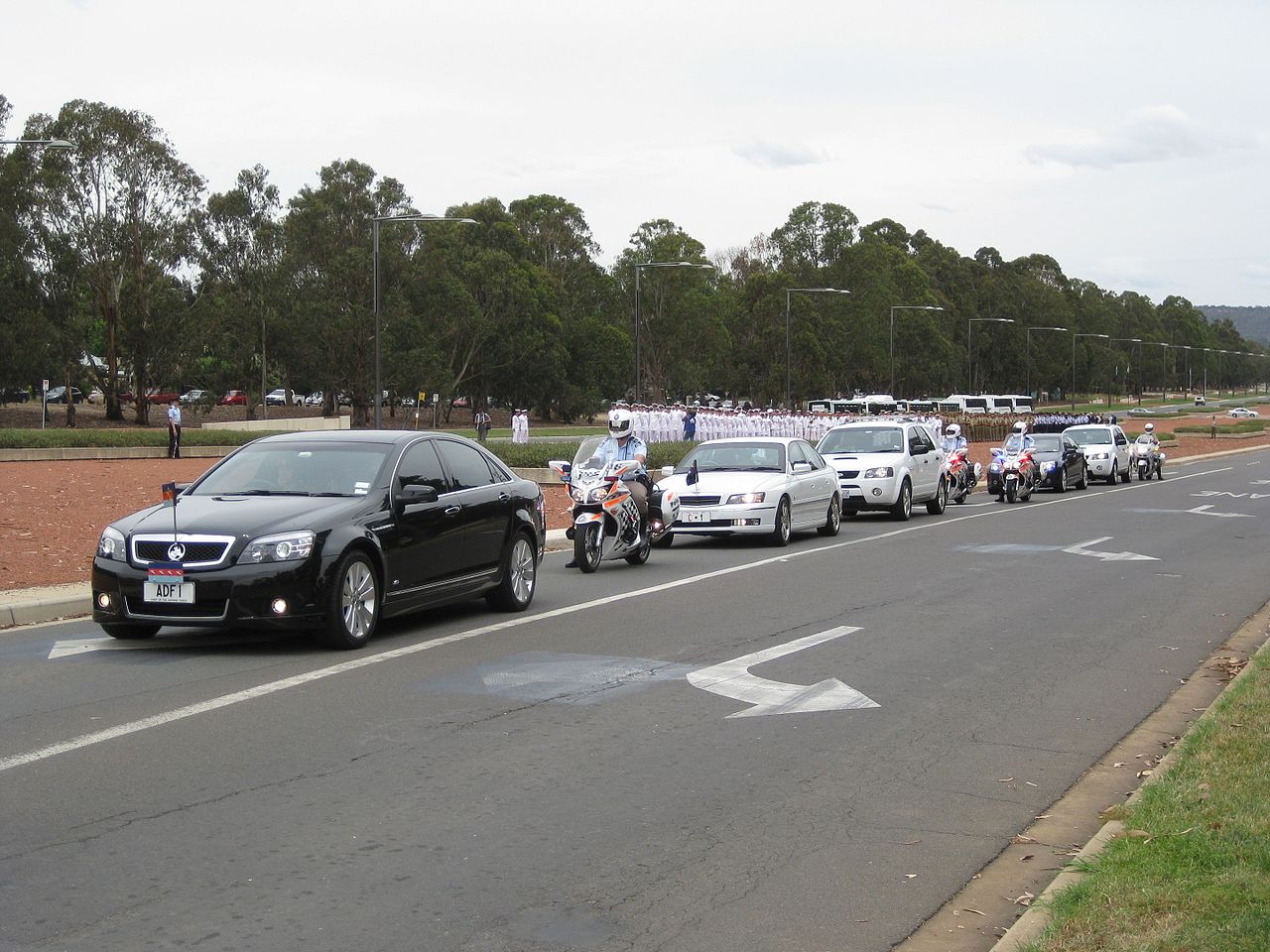
Common elements include advance teams that scout and clear routes; lead police or escort vehicles; motorcycle outriders who manage intersections; the principal's vehicle, often armored; trailing security and support vehicles; press or liaison cars; and communications units. Configurations are adapted to threat level, terrain and local regulations. Decoy or duplicate cars are sometimes used to reduce risk to a principal.
History and development
Motorcades developed as motor vehicles replaced horse-drawn processions, carrying forward ceremonial and protective practices. Over the 20th century their use expanded with state diplomacy, political campaigning and modern VIP security. Military and commercial "convoys" share similar operational concepts but typically focus on logistics and force protection.
Operation, protocol and security
Effective operation requires route planning, traffic coordination with local authorities, trained drivers and secure communications. Security measures can include armored vehicles, motorcycle-based rolling roadblocks, planned stops, alternate routes and contingency plans for protests or accidents. In many jurisdictions escorted motorcades receive temporary legal exemptions—such as priority passage or contraflow use—controlled by law enforcement.
Types, etiquette and public impact
- State and diplomatic escorts for heads of state and official delegations.
- Security motorcades for elected officials, high-risk individuals or classified movements.
- Ceremonial processions and funeral corteges, which follow local customs and are often granted deference by other road users.
Motorcades can cause traffic disruption, raise safety and privacy concerns, and attract public attention as a visible symbol of authority. Modern technology—GPS, encrypted communications and real-time intelligence—has increased both efficiency and complexity in planning these operations.
Related articles
Author
AlegsaOnline.com Motorcade: definition, composition, history and uses Leandro Alegsa
URL: https://en.alegsaonline.com/art/66925