
Montreuil-sur-Mer (Montreuil), Pas-de-Calais
Montreuil-sur-Mer is a historic commune in Pas-de-Calais, northern France, known for well-preserved ramparts, a medieval town center, literary ties to Victor Hugo, and a role as a local administrative and tourism hub.
Overview

Montreuil-sur-Mer, often shortened to Montreuil, is a commune and sub-prefecture in the Pas-de-Calais department of northern France. Historically associated with the former region of Nord-Pas-de-Calais, it is now administered within the larger Hauts-de-France region. The town retains the suffix "-sur-Mer" (on the sea) from an earlier coastline; the sea has since receded, but the name remains part of its identity. For local administrative details see the commune page.
Image gallery
10 Images





Character and landmarks
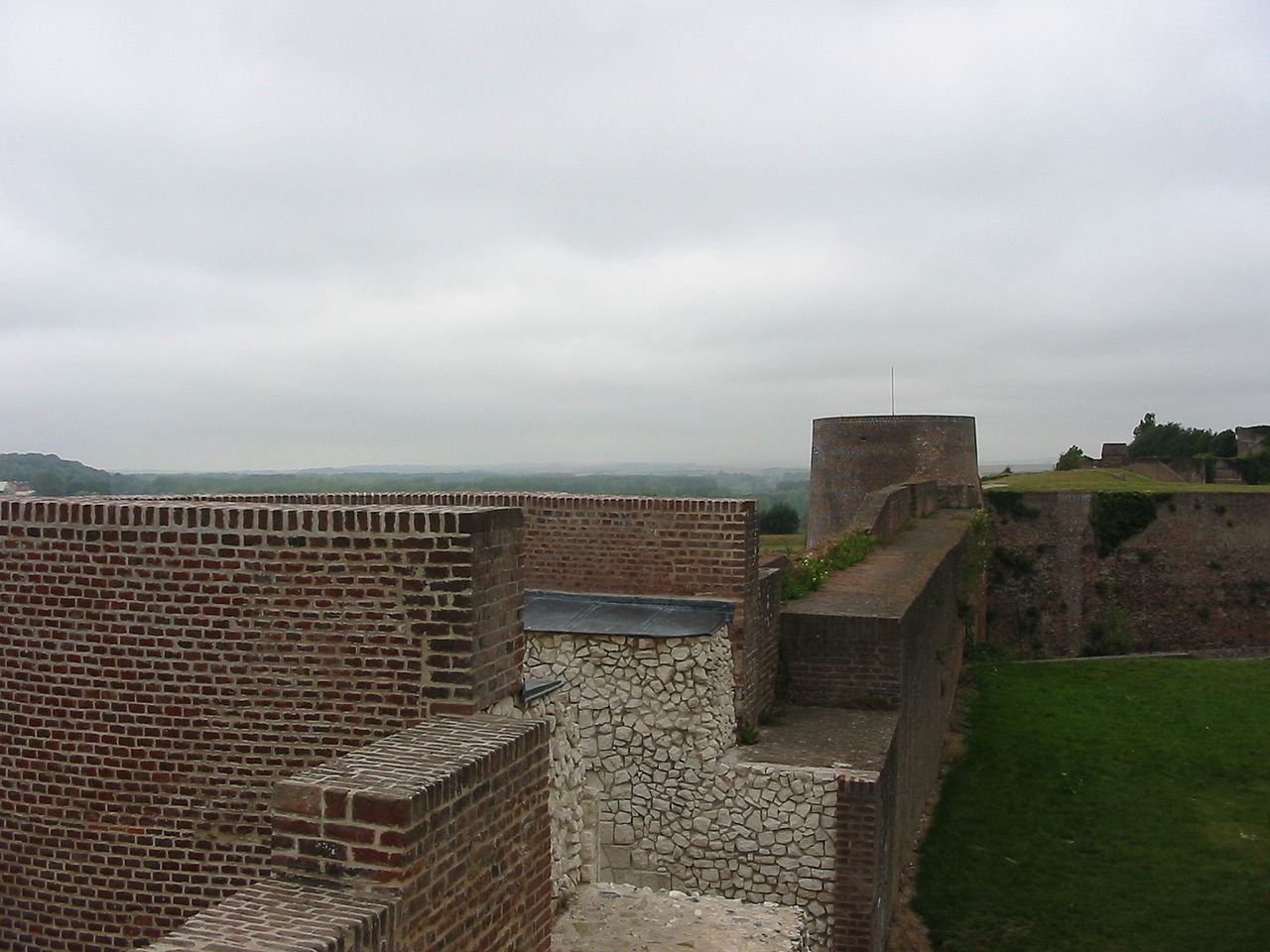
Montreuil is noted for its compact medieval core and substantial defensive walls. Visitors encounter cobbled streets, period houses and a succession of fortifications that mark its strategic importance through the Middle Ages and later centuries. Key features commonly highlighted by guides include elevated ramparts with lookout points and a historic market square where traditional commerce has long been concentrated.
History and development
The town developed as a regional center and river port when tides reached further inland; over centuries its military and commercial roles shaped the built environment. Fortifications were built and adapted over successive periods to meet changing defensive needs. Its inland shift from the sea is a visible example of landscape change affecting settlement names and functions.
Culture, literature and economy
Montreuil has a cultural profile that combines tourism, local markets and regular cultural events. It is widely known in literature because Victor Hugo used Montreuil-sur-Mer as the setting for parts of Les Misérables, which attracts literary visitors. The local economy mixes heritage tourism, small-scale trade and services; the town also functions as a center for surrounding rural communities.
Visiting and practical information
Travelers find Montreuil accessible from regional roads and nearby towns; a local tourism office offers maps and event information (tourist information). Practical attractions include walking the ramparts, exploring the historic center and attending markets or seasonal events. For departmental and regional context, consult the Pas-de-Calais resources and broader departmental guides. Additional background and historical notes are available through regional archives and study centers (local site, regional portal).
- Notable: name retains "-sur-Mer" though coastline has moved.
- Highlights: intact ramparts, medieval townscape, literary association.
- Role: local administrative center and tourism destination.
Related articles
Author
AlegsaOnline.com Montreuil-sur-Mer (Montreuil), Pas-de-Calais Leandro Alegsa
URL: https://en.alegsaonline.com/art/66476