
Montauban: historic brick city and prefecture of Tarn‑et‑Garonne
Montauban is a southern French town, the préfecture of Tarn‑et‑Garonne. Known for red‑brick architecture, a planned bastide layout, riverside quays on the Tarn and cultural sites such as the Musée Ingres.
Overview — Montauban (Occitan: Montalban) is a commune and the administrative centre of the Tarn‑et‑Garonne department in southern France. Historically associated with the former Midi‑Pyrénées area and now part of the wider administrative region of Occitanie, the town functions as the préfecture or departmental capital, with public institutions alongside a rich civic heritage.
Image gallery
10 Images






Geography and urban character
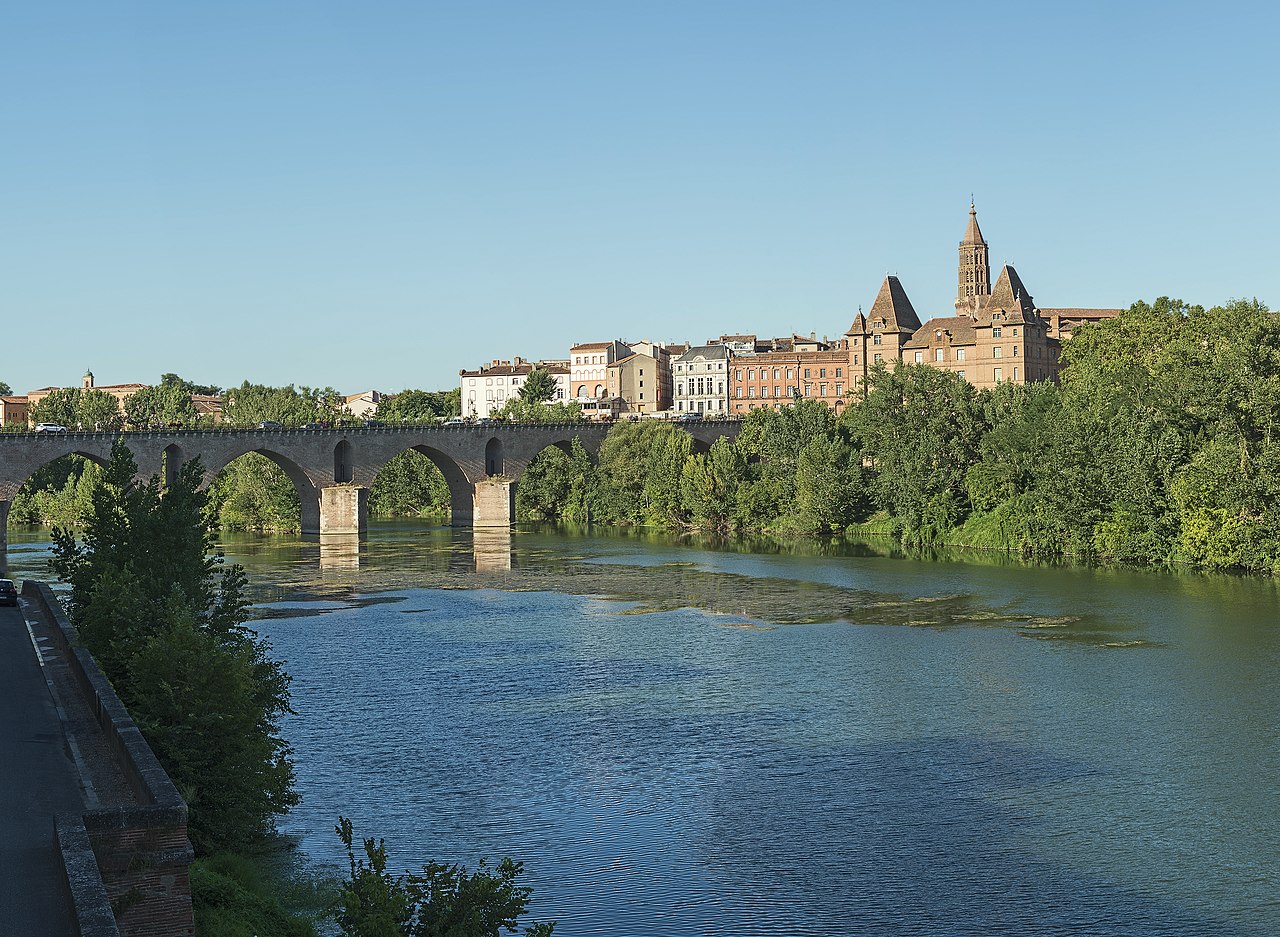
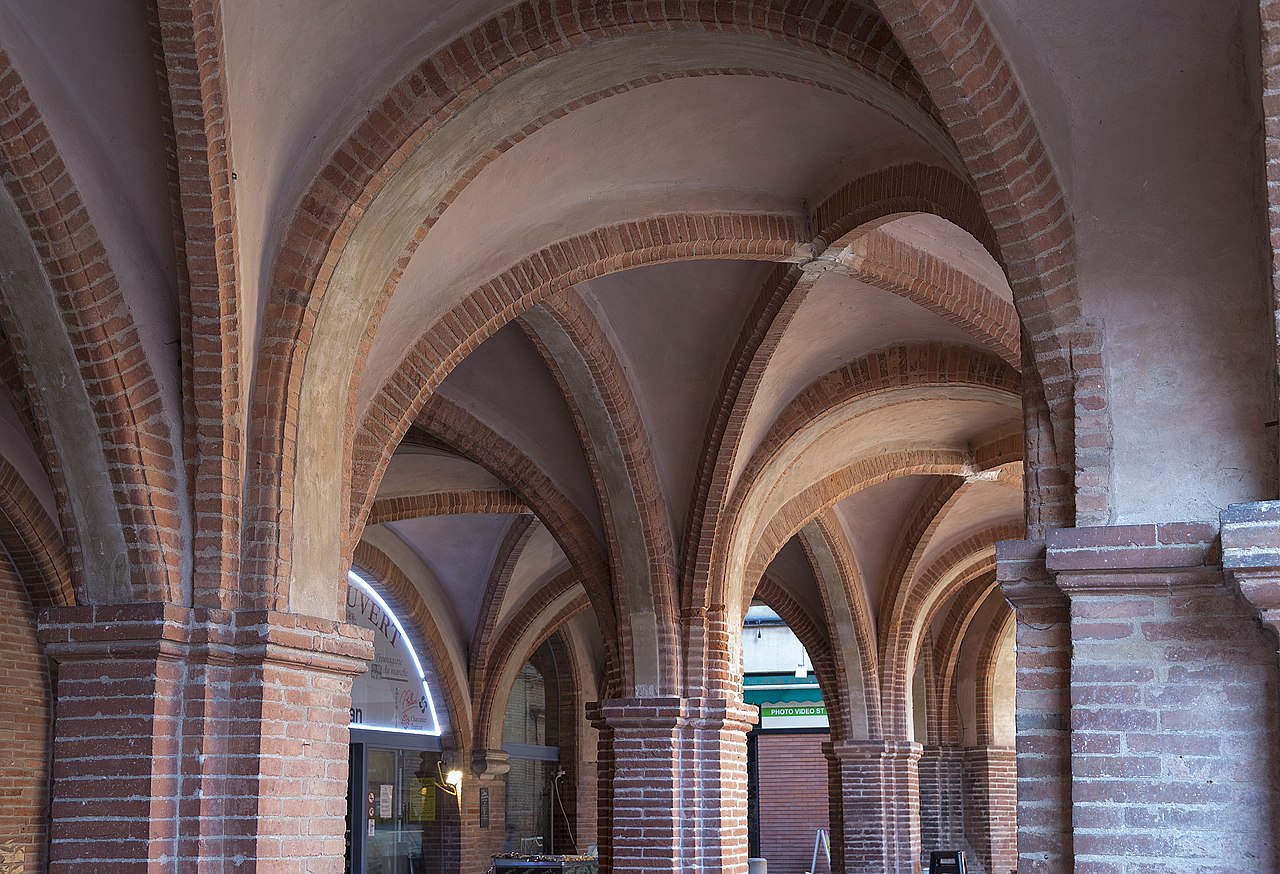
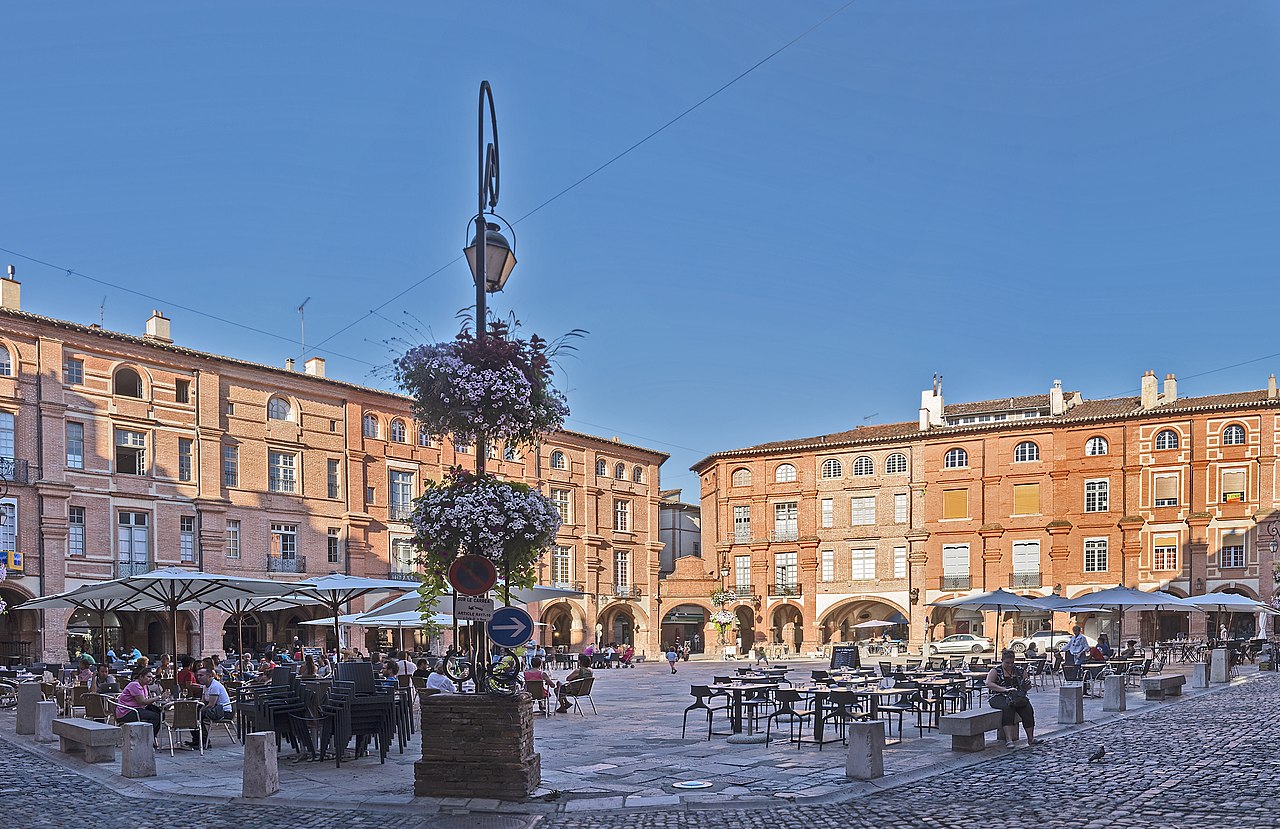
Montauban occupies a riverside plateau on the right bank of the Tarn, near the confluence with the smaller Tescou. Its historic core is marked by façades built mainly in warm, locally made reddish bricks, a material that gives the streets a cohesive appearance. The town’s plan reflects its origins as one of the medieval bastide settlements: a compact, regular grid of streets, a principal market square and covered arcades that encouraged trade and civic life.
History and heritage
Founded in the medieval period as a planned settlement, Montauban developed as a regional centre of commerce, administration and religion. Its fortifications, municipal institutions and churches evolved through the Middle Ages and early modern era. The town experienced the upheavals common to southern France, including periods of conflict and religious tension, yet many of its civic buildings, bridges and streetscapes survive or have been restored, preserving the layered history of the place.
Landmarks and culture
Visitors find a sequence of public spaces, historic quays and a market-oriented central square beneath arcaded façades. Among the cultural institutions is a museum dedicated to the painter Jean‑Auguste‑Dominique Ingres, who was born in Montauban; local collections combine works of fine art, archaeological finds and regional history. The town’s riverside bridges and church towers contribute to a distinctive skyline that has long been an attraction for walkers and students of architecture.
- Market square with arcades and civic buildings
- Historic bridge and riverside quays
- Museums of art and local history, including collections linked to Ingres
Economy, transport and civic life
As a departmental capital, Montauban combines administrative services with commerce, education and light industry. It serves the surrounding agricultural plain and acts as a regional hub for markets, festivals and cultural events. Transport links by road and rail connect the town with larger urban centres in southern France, supporting both daily commuting and tourism.
Architecture and conservation
The predominant use of brick, the surviving bastide street pattern and the riverside setting are treated as important elements of the town’s identity. Conservation efforts and local urban projects aim to maintain historic façades, public squares and riverfront promenades while accommodating contemporary needs. Interpretive panels and museum displays offer visitors context about the town’s urban development and material culture.
For further information local government pages, museum guides and regional histories provide more detailed accounts of Montauban’s archaeology, art collections and civic evolution. Useful starting points include municipal resources and specialised studies of bastide towns and southern French architecture.
Questions and answers
Q: What is Montauban?
A: Montauban is a commune in the Tarn-et-Garonne department in the Midi-Pyrénées region of southern France. It is also the préfecture (capital) of the department.
Q: What type of architecture can be found in Montauban?
A: The town of Montauban was built mainly with reddish bricks.
Q: Where is Montauban located?
A: Montauban is located on the right bank of the Tarn river at its confluence with the Tescou.
Q: When was it founded?
A: It was one of the first bastides, or fortified towns, to be established in history.
Q: What language do people speak in Montauban?
A: People in Montauban speak Occitan, which is a Romance language spoken primarily by people living in southern France and northern Spain.
Q: How large is it?
A: The population size for Montauban has not been disclosed.
Related articles
Author
AlegsaOnline.com Montauban: historic brick city and prefecture of Tarn‑et‑Garonne Leandro Alegsa
URL: https://en.alegsaonline.com/art/66256
Sources
- ciap-montauban.com : "L'histoire"
- splaf.free.fr : "Historique de Tarn-et-Garonne"
- map-france.com : "Montauban"
- annuaire-mairie.fr : "La ville de Montauban"
- weatherbase.com : "Montauban, France - Köppen Climate Classification"
- habitants.fr : "Montauban (82000)"
- insee.fr : "Régions, départements, arrondissements, cantons et communes"