
Mons (Belgium): Overview, History, Culture and Landmarks
Mons is the capital of Hainaut province in Wallonia, Belgium. This historic city, known for its belfry, the Ducasse (Doudou) festival and wartime history, was European Capital of Culture in 2015.
Overview
Mons is a city in southern Belgium and the administrative capital of the Province of Hainaut. Located in the French-speaking Walloon region, it occupies a strategic position in western Europe at roughly 50°27′N, 3°56′E. The name derives from the Latin mons, meaning "mountain" or hill, a reference to the small elevations around which the town developed. In 2015 the city served as European Capital of Culture, drawing renewed attention to its heritage and contemporary arts scene.
Image gallery
10 Images


Geography and administration
Mons functions as a regional hub for administration, education and services within Hainaut. The municipal territory includes older medieval quarters and more recent suburban districts. Its role as a provincial capital means it hosts regional government offices and cultural institutions. For practical information about visiting or municipal services see local resources such as regional guides and the city’s information portals (tourism, transport).
History and development
Mons has medieval origins and grew around a fortified site on a raised mound. Over centuries it was shaped by trade, regional conflicts and industrial change. The surrounding area was important for coal mining and manufacturing during the 19th and early 20th centuries, which influenced the town’s expansion. Mons is also known for its role in modern warfare: it was the scene of early encounters in World War I (the Battle of Mons) and experienced occupation and military activity in later conflicts.
Culture, festivals and recognition
The city preserves several strong local traditions. The Ducasse de Mons, popularly called the Doudou, is a centuries-old procession and folkloric event recognized for its cultural value; its ritual combat and procession attract many visitors each year. The belfry of Mons, a prominent skyline feature, is part of a group of historic belfries that are protected as a cultural heritage ensemble. Cultural programming expanded when Mons held the title of European Capital of Culture in 2015, which boosted museums, performances and urban renewal projects (events).
Landmarks and economy
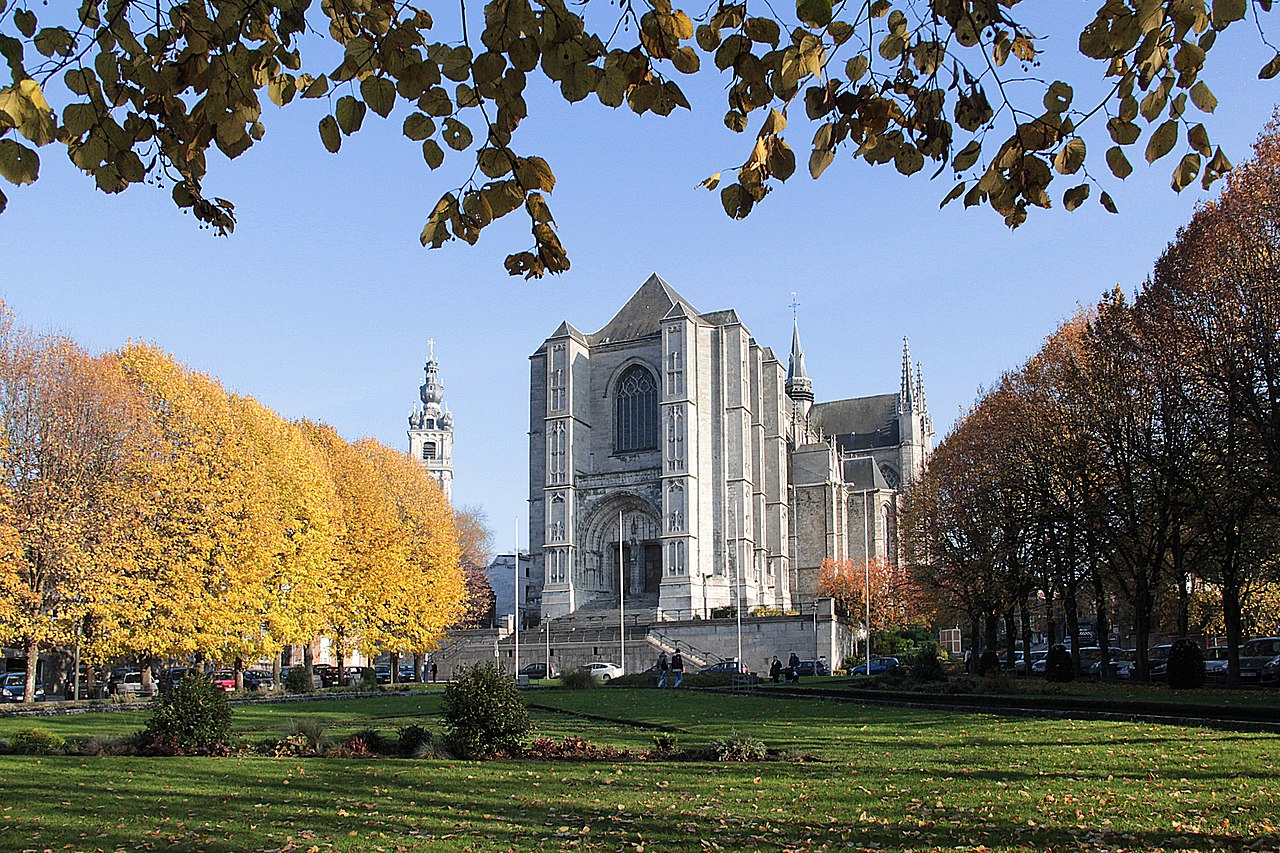
Notable sights include the Baroque-style belfry and the collegiate church, museums that cover regional art and history, and public squares that host markets and festivals. The local economy balances public administration, education, culture, and service industries, along with activities tied to nearby transport corridors. For practical visitor listings and museum details consult municipal and cultural directories (listings, museum guide).
Demographics and notes: The city had a population in the range of about 90,000 in the early 21st century (91,196 recorded in 2007 as a municipal figure), reflecting a modest urban size by Belgian standards and its role as a regional capital.
Related articles
Author
AlegsaOnline.com Mons (Belgium): Overview, History, Culture and Landmarks Leandro Alegsa
URL: https://en.alegsaonline.com/art/66167
Sources
- statbel.fgov.be : Werkelijke bevolking per gemeente op 1 januari 2007 / Population de droit par commune au 1 janvier 2007 (.xls)
- statbel.fgov.be : Geografische coördinaten van de gemeenten (.xls)