
Monroe County, Arkansas: Overview, Geography, History and Economy
Monroe County is a rural county in eastern Arkansas's Delta region. This article covers its geography, history, economy, communities and natural features, including wetlands and agriculture.
Overview
Monroe County is a rural county located in eastern Arkansas, situated within the low-lying agricultural plain known as the Arkansas Delta. The county is characterized by extensive bottomlands, river systems and a landscape long shaped by farming, timber and seasonal flooding.
Image gallery
7 Images



Geography and environment
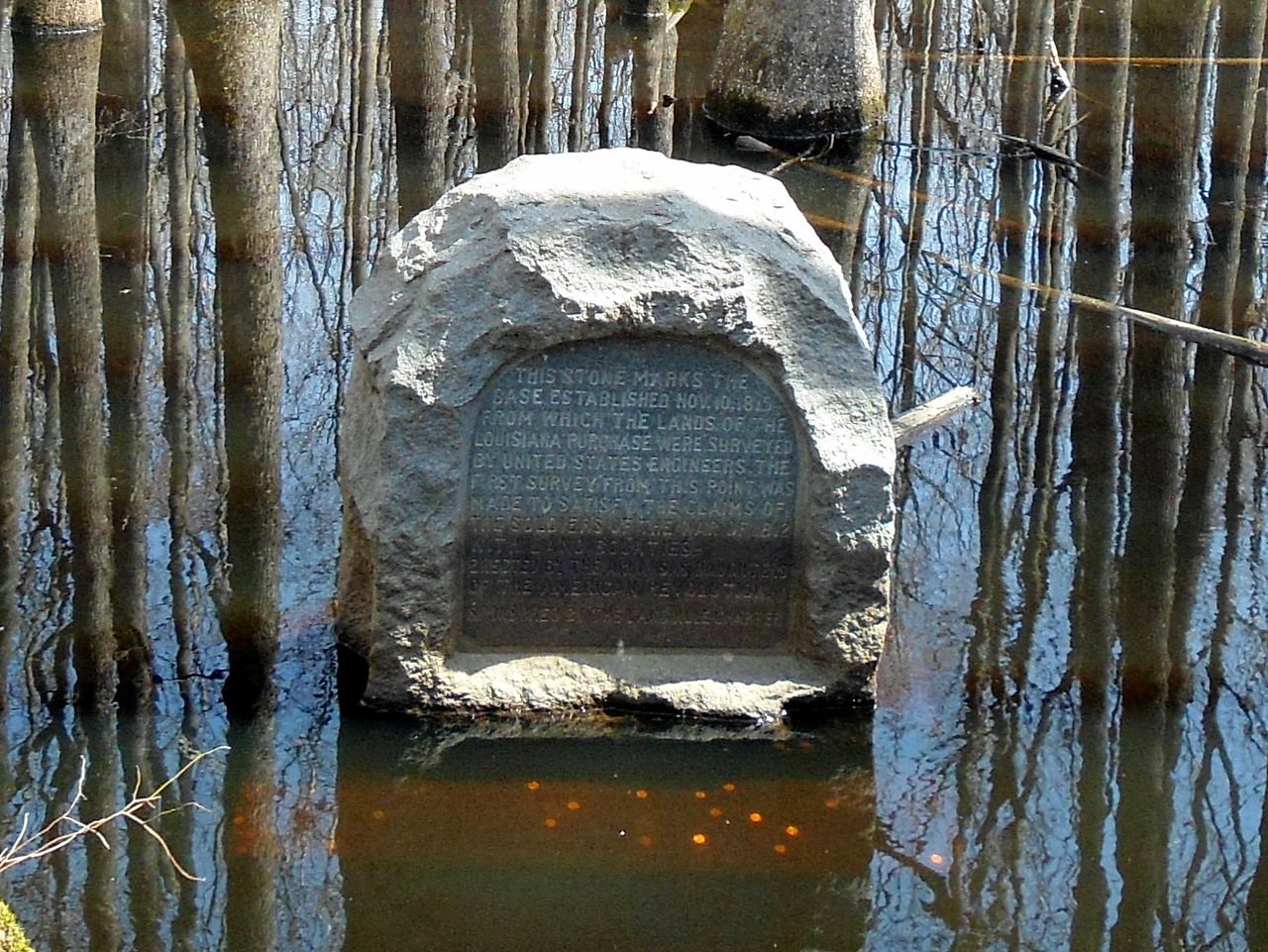
The county occupies part of the Mississippi Alluvial Plain. Its terrain includes oxbow lakes, swamps and remnant hardwood forests associated with river floodplains. Wetlands in the region provide important habitat for migratory birds and other wildlife and have attracted conservation efforts to protect rare bottomland ecosystems.
History and development
Monroe County was organized in the early 19th century and takes its name from President James Monroe. Settlement and economic development followed the arrival of river transportation and later railroads. Agriculture, especially cotton in earlier eras, drove population centers and shaped towns and communities.
Economy and land use
Agriculture remains a primary economic activity, with row crops, rice, soy and timber common in the Delta landscape. Hunting, fishing and wildlife tourism related to wetlands and refuges also contribute to the local economy. The county faces challenges common to rural Delta counties, including population decline and infrastructure needs.
Communities and governance
The county seat serves as the administrative center for local government and public services. Local institutions include schools, volunteer fire departments and county offices that manage roads, land records and social services. Small incorporated towns and dispersed rural settlements form the social fabric.
Notable features and distinctions
- Significant bottomland hardwood habitat and wetlands important to bird migration.
- Long agricultural tradition tied to the broader history of the Arkansas Delta.
- Seasonal river dynamics that influence land use, recreation and floodplain management.
For more detailed maps, demographic data and visitor information consult regional planning resources and conservation organizations linked through local and state portals.
Related articles
Author
AlegsaOnline.com Monroe County, Arkansas: Overview, Geography, History and Economy Leandro Alegsa
URL: https://en.alegsaonline.com/art/66137
Sources
- books.google.com : The Origin of Certain Place Names in the United States