
Mönchaltorf (municipality in the canton of Zürich)
Mönchaltorf is a small Swiss municipality in the district of Uster, canton of Zürich. It combines rural landscape, local services and commuter housing with a history rooted in the region’s medieval settlements.
Mönchaltorf is a municipality administratively within the district Uster of the canton Zürich in Switzerland. It is a compact community typical of the Swiss plateau: a village core surrounded by agricultural land, patches of woodland and residential neighborhoods that serve both local needs and commuters working in nearby towns.
Image gallery
8 Images
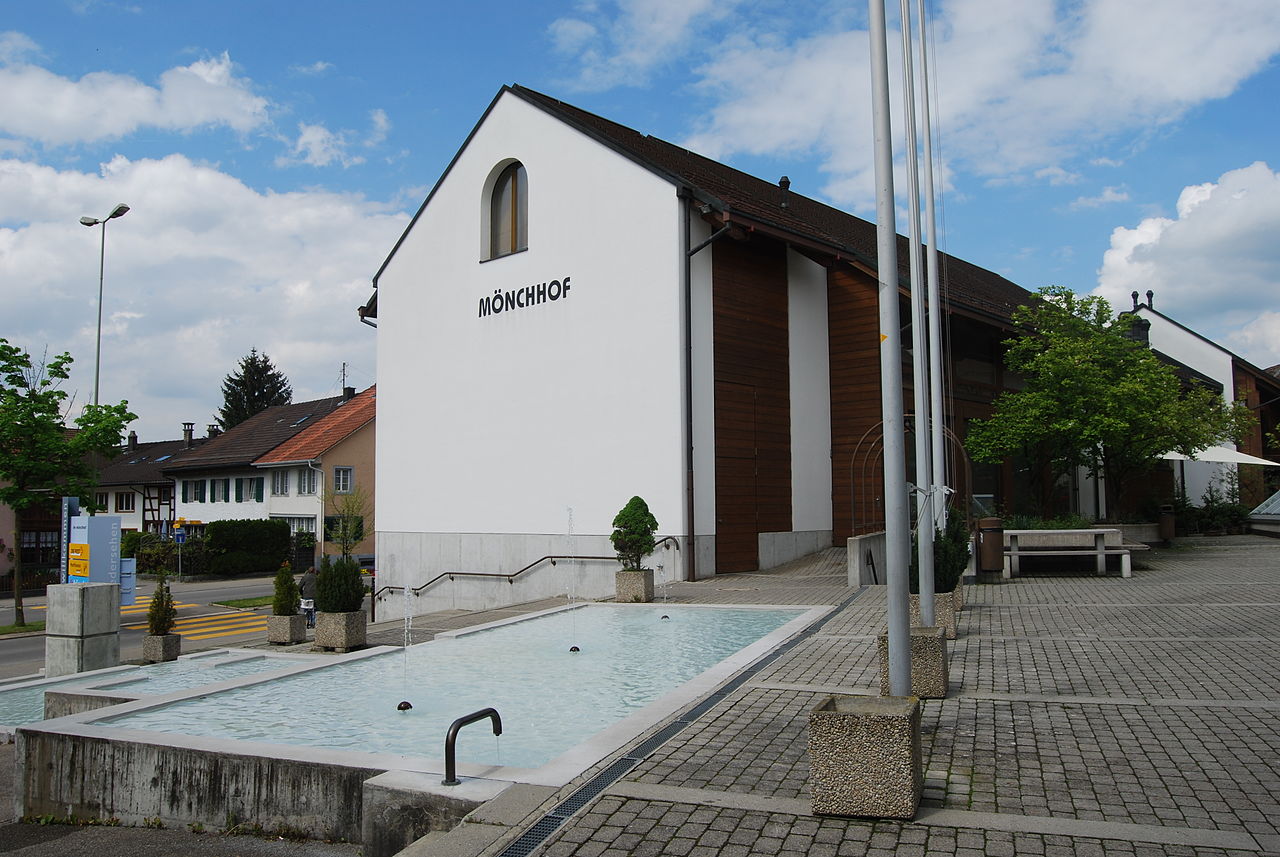
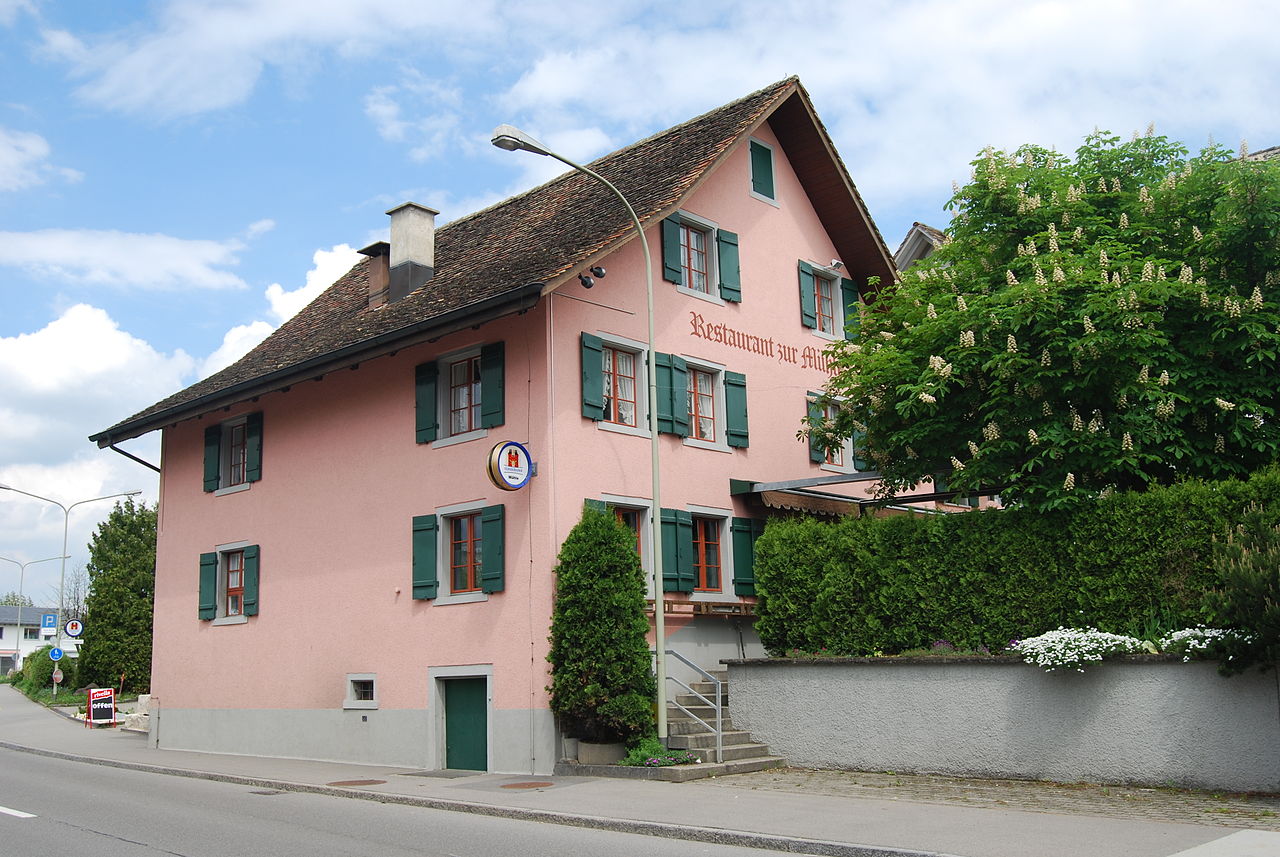

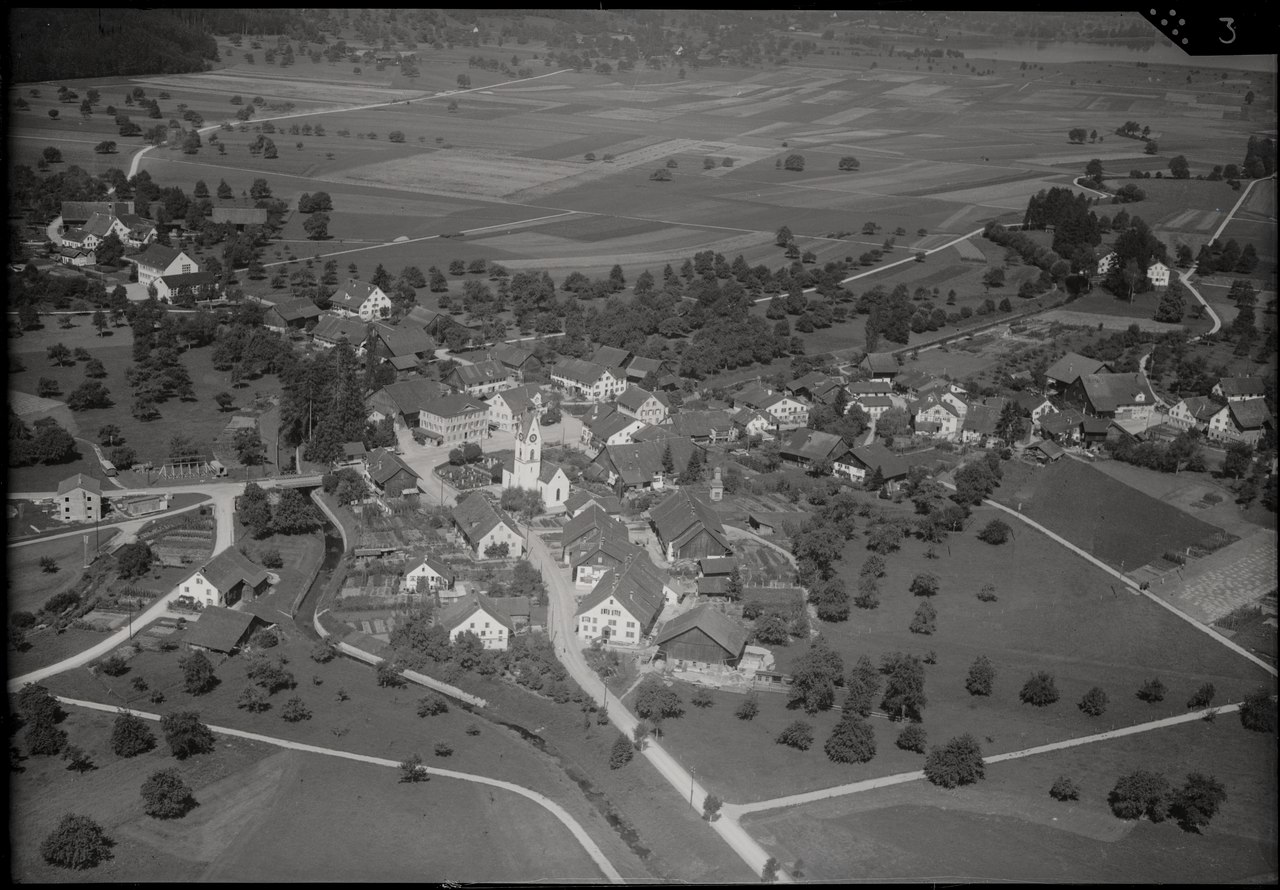

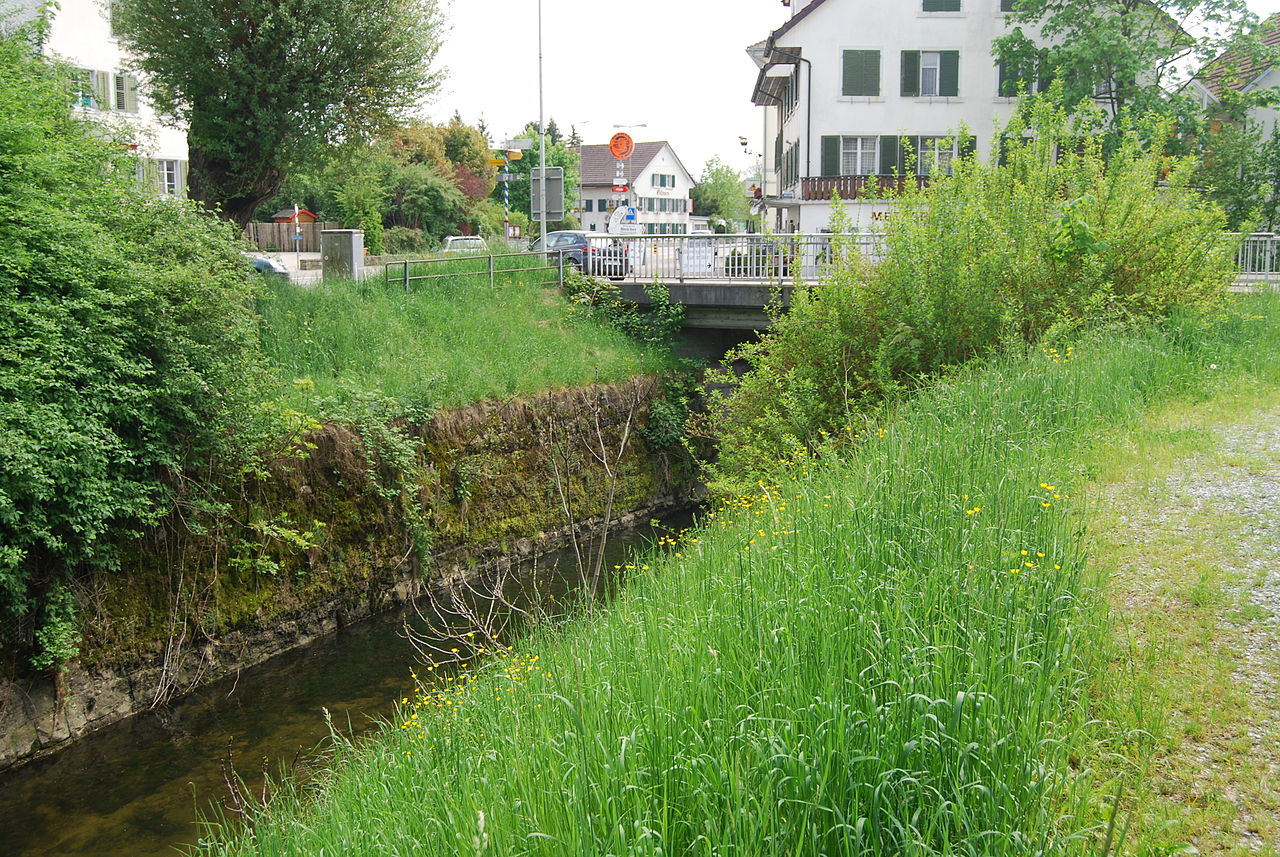

Geography and landscape
The municipality sits amid gently rolling terrain. Fields and pastures are interspersed with small streams and hedgerows; the settlement pattern preserves a clear distinction between built-up areas and open countryside. The landscape supports mixed farming and offers walking routes that are popular with residents seeking outdoor recreation close to home.
History and name
Mönchaltorf has roots in the region’s medieval settlement history. The place-name carries a suggestion of monastic or ecclesiastical connections—"Mönch" meaning monk in German—indicating that some lands may once have been linked to religious institutions or their farms. Like many Swiss villages, its built environment evolved around a parish church, farmsteads and artisan households.
Economy, transport and services
Local economic activity combines small businesses, service trades, and agriculture. Many inhabitants commute to larger nearby centers for employment, while local shops, a primary school and community facilities meet everyday needs. Public transport and road links provide regular connections to surrounding towns, supporting the municipality’s role as a residential community within the greater Zürich region.
Community life and administration
Community life centers on voluntary clubs, seasonal festivals and sports teams, reflecting the common Swiss pattern of active local associations. The municipality is governed by a communal council responsible for planning, schools and local services, balancing development pressure with the desire to protect green spaces and the village character.
Key features
- Administrative status: municipality in the district of Uster (Uster).
- Language: predominantly German-speaking local community.
- Landscape: agricultural surroundings with a village core and recreational paths.
- Function: mix of local economy and commuter residence supporting nearby urban centers.
- Character: small-scale, community-oriented with an emphasis on preserving local identity.
Related articles
Author
AlegsaOnline.com Mönchaltorf (municipality in the canton of Zürich) Leandro Alegsa
URL: https://en.alegsaonline.com/art/65975
Sources
- bfs.admin.ch : "Arealstatistik Standard - Gemeinden nach 4 Hauptbereichen"
- bfs.admin.ch : "Ständige Wohnbevölkerung nach Staatsangehörigkeitskategorie Geschlecht und Gemeinde; Provisorische Jahresergebnisse; 2018"