
Molecular geometry: shapes, principles and significance
Summary of molecular geometry: how atoms are arranged in three dimensions, key models (VSEPR, hybridization), common shapes, methods of determination, and why geometry matters for properties and reactivity.
Molecular geometry is the three‑dimensional arrangement of atoms in a molecule. That arrangement—how atoms are positioned and the angles between bonds—largely determines properties such as polarity, dipole moment, intermolecular interactions and chemical reactivity. Geometry is not fixed in all molecules: some are rigid, others are flexible or "fluxional" and change shape with temperature or during reactions. For introductory treatments and resources, see general introductions.
Image gallery
10 Images
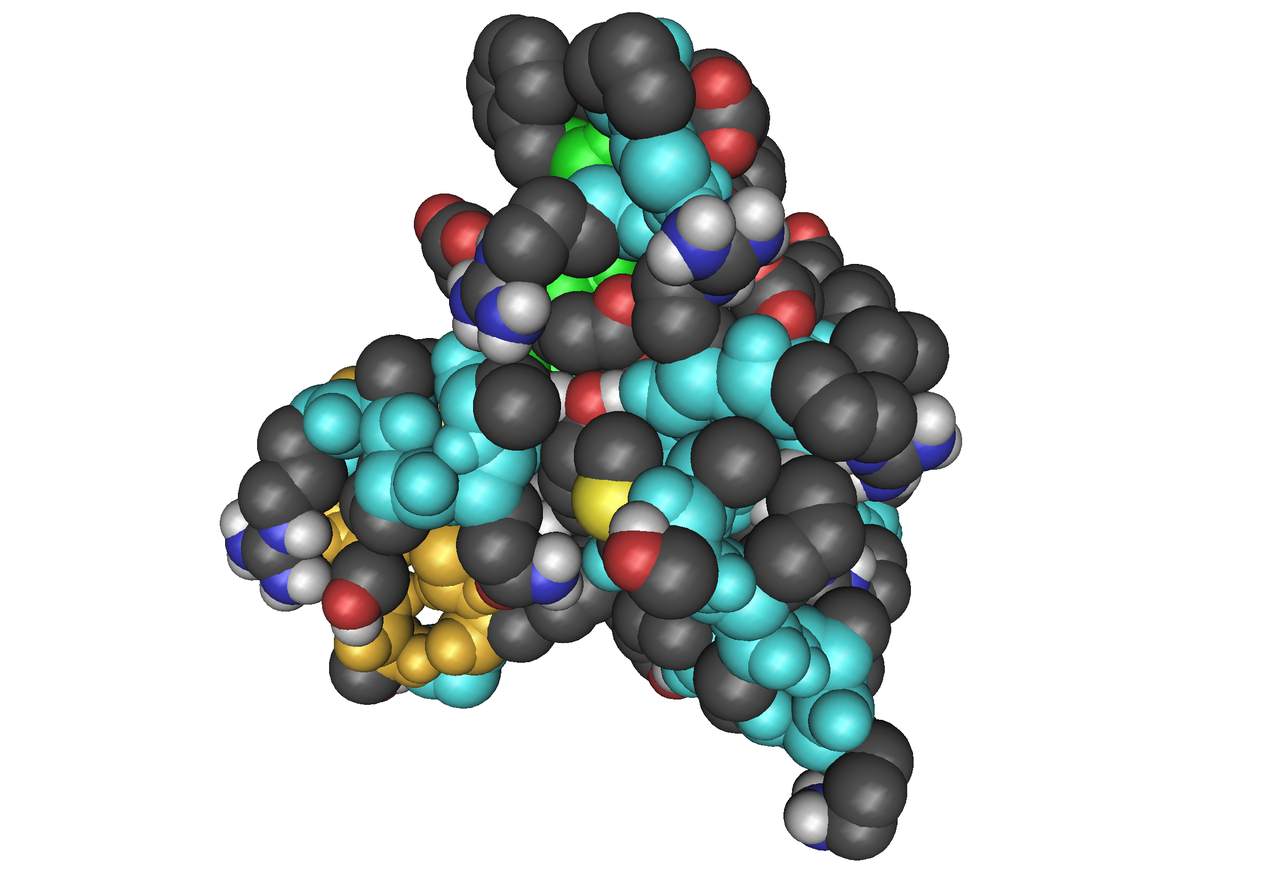


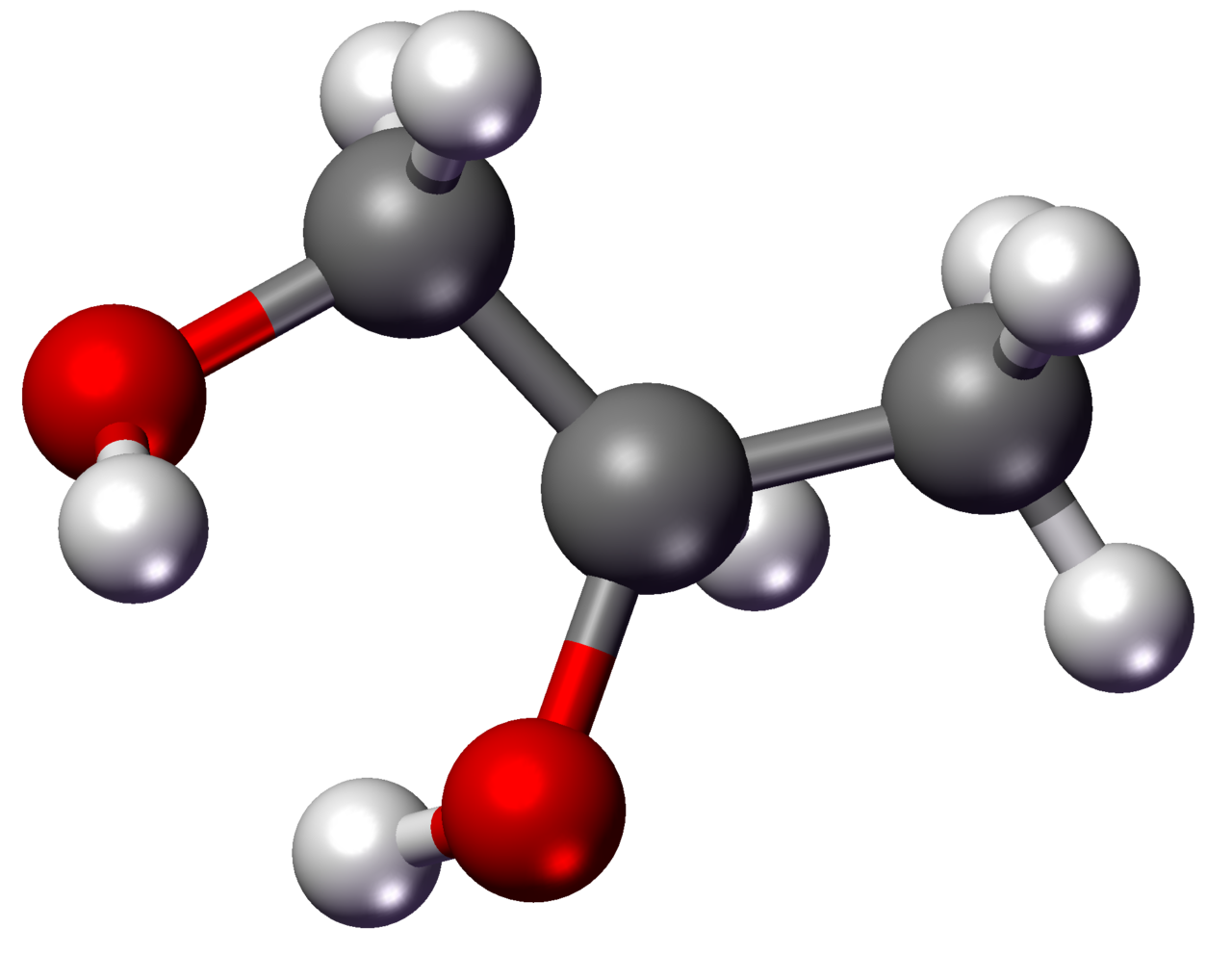

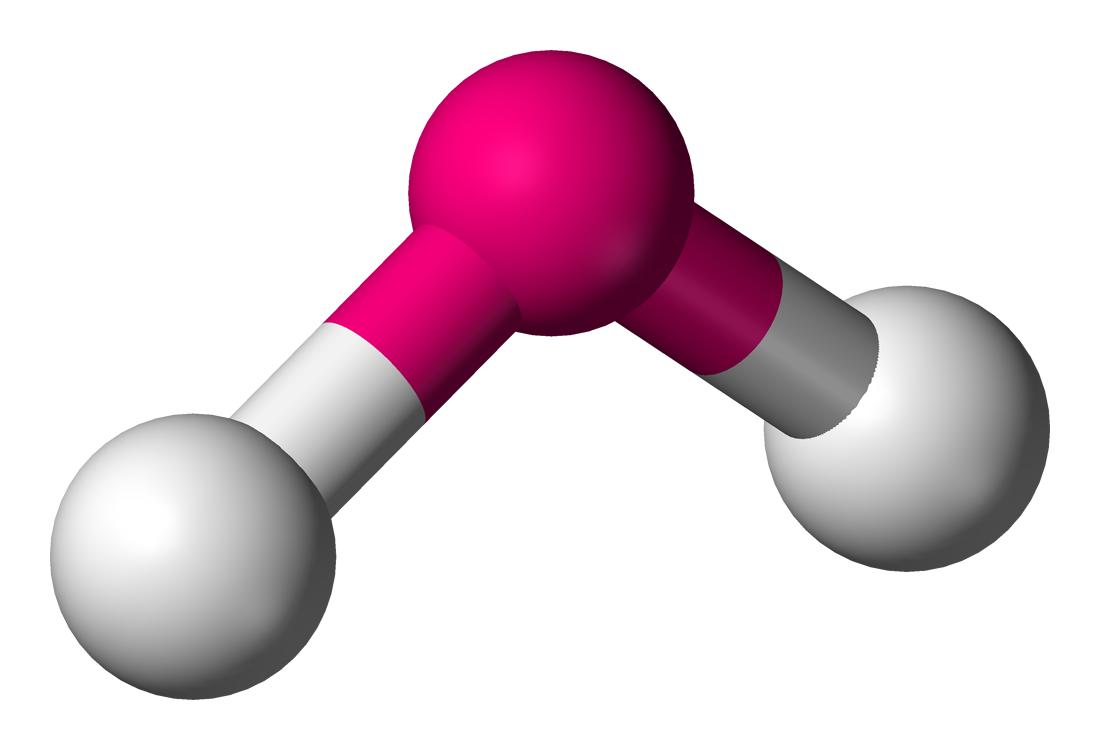

Basic principles
Two conceptual ideas are central. The VSEPR (valence shell electron pair repulsion) model treats regions of electron density (bonding pairs, lone pairs, multiple bonds) as entities that repel one another and adopt arrangements that minimize repulsion. Hybridization describes how atomic orbitals combine to form directed bonding orbitals (for example, sp, sp2, sp3) and helps explain observed bond directions. Distinguish electron geometry (arrangement of electron regions around a central atom) from molecular geometry (positions of atoms): lone pairs occupy space and typically compress bond angles compared with the idealized values.
Common shapes and examples
- Linear (180°): common for diatomics and molecules like CO2.
- Trigonal planar (≈120°): seen in BF3 and many sp2‑hybridized centres.
- Tetrahedral (≈109.5°): central to organic chemistry, as in CH4.
- Trigonal bipyramidal and octahedral: found in five‑ and six‑coordinate species such as PCl5 and SF6; axial and equatorial positions differ in environment.
- Bent and pyramidal shapes arise when lone pairs reduce symmetry, as in H2O and NH3; multiple bonds and electronegativity differences also alter angles.
Geometry also underlies stereochemistry: chiral centres and conformational isomers depend on three‑dimensional arrangement and influence biological activity and material behaviour.
How geometry is determined
Experimental structural methods include X‑ray and neutron diffraction of crystals, electron diffraction for gases, microwave spectroscopy and various vibrational spectroscopies that infer bond lengths and angles. Nuclear magnetic resonance (NMR) provides information about relative orientations and dynamics in solution. Computational chemistry complements experiment: molecular mechanics, density functional theory and ab initio methods optimize geometries on potential energy surfaces and predict transition states and reaction paths.
Importance and limitations
Understanding molecular geometry connects electronic structure to observable phenomena: it explains molecular polarity, governs reaction mechanisms, determines ligand arrangements in coordination chemistry, and guides molecular design in drug discovery and materials science. Simple models like VSEPR are useful for quick predictions but can fail for transition‑metal complexes, systems with strong delocalization or resonance, or species that undergo Jahn–Teller distortions. Advanced theories such as molecular orbital and ligand field approaches are needed to account for electronic effects and exceptions.
Because geometry influences function, chemists use a combination of experiment, theory and chemical intuition to describe and predict structures. For further reading and more advanced discussions see specialist sources and the introductory materials at general introductions.
Related articles
Author
AlegsaOnline.com Molecular geometry: shapes, principles and significance Leandro Alegsa
URL: https://en.alegsaonline.com/art/65859