
Mitte (Berlin borough)
Mitte is Berlin’s central borough, containing the historic core, major government buildings and museums. It combines former East and West districts after a 2001 reorganization and is a cultural and political hub.
Mitte (German for "centre") is the central borough of Berlin. As the historical and geographical heart of the city, it contains a dense concentration of political institutions, museums, commercial areas and historic sites. The German word Bezirk describes its status as one of Berlin’s boroughs, an administrative unit responsible for local services and planning.
Image gallery
10 Images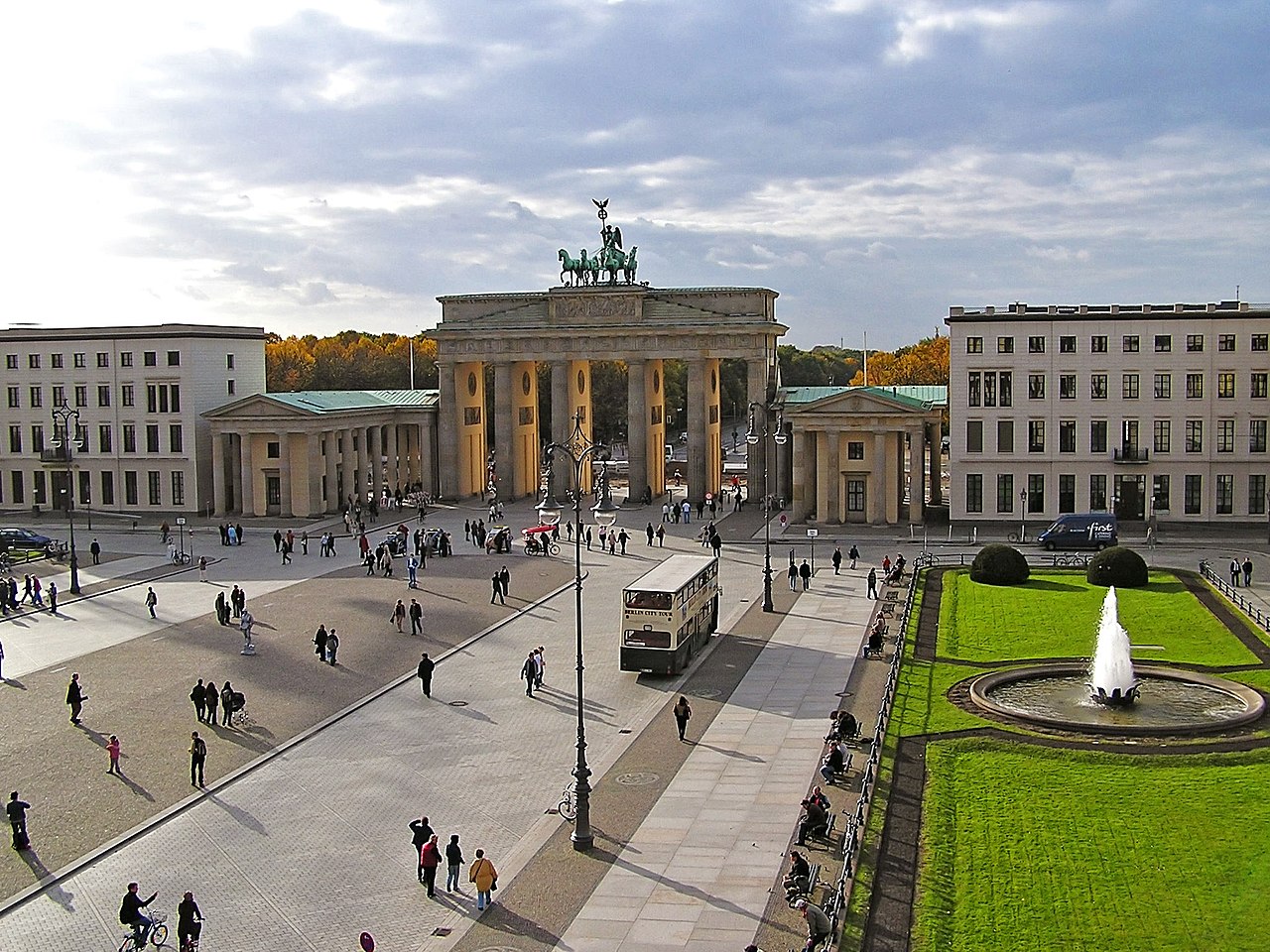


Geography and subdivisions
The modern borough of Mitte is composed of several distinct neighbourhoods (Ortsteile) that retain their own character: Gesundbrunnen, Hansaviertel, Mitte (the central quarter), Moabit, Tiergarten and Wedding. The borough covers an area of about 39.47 square kilometres (39.47 km²) or approximately 15.2 square miles (15.2 mi²), making it relatively compact but highly urbanized. Population figures have changed over time; for example, in the early 2000s Mitte had roughly 320,700 inhabitants, reflecting both long-term residents and a steady inflow of newcomers.
History and development
Mitte contains much of Berlin’s historic centre and has layers of history visible in its streets and buildings. After World War II and into the Cold War, parts of central Berlin were divided by the Berlin Wall; many of the classic landmarks and museums in the central area were located on the eastern side of the divide (formerly East Berlin). In a major municipal reform of 2001, the old East Berlin borough previously named Mitte was merged with the once-separate districts of Wedding and Tiergarten — the latter and Wedding having belonged to what had been West Berlin sectors. That reorganization created the present-day borough, bringing together areas with distinct postwar trajectories.
Landmarks and institutions
- The political core: the Reichstag and the government quarter occupy space along the Spree river, forming the center of federal institutions.
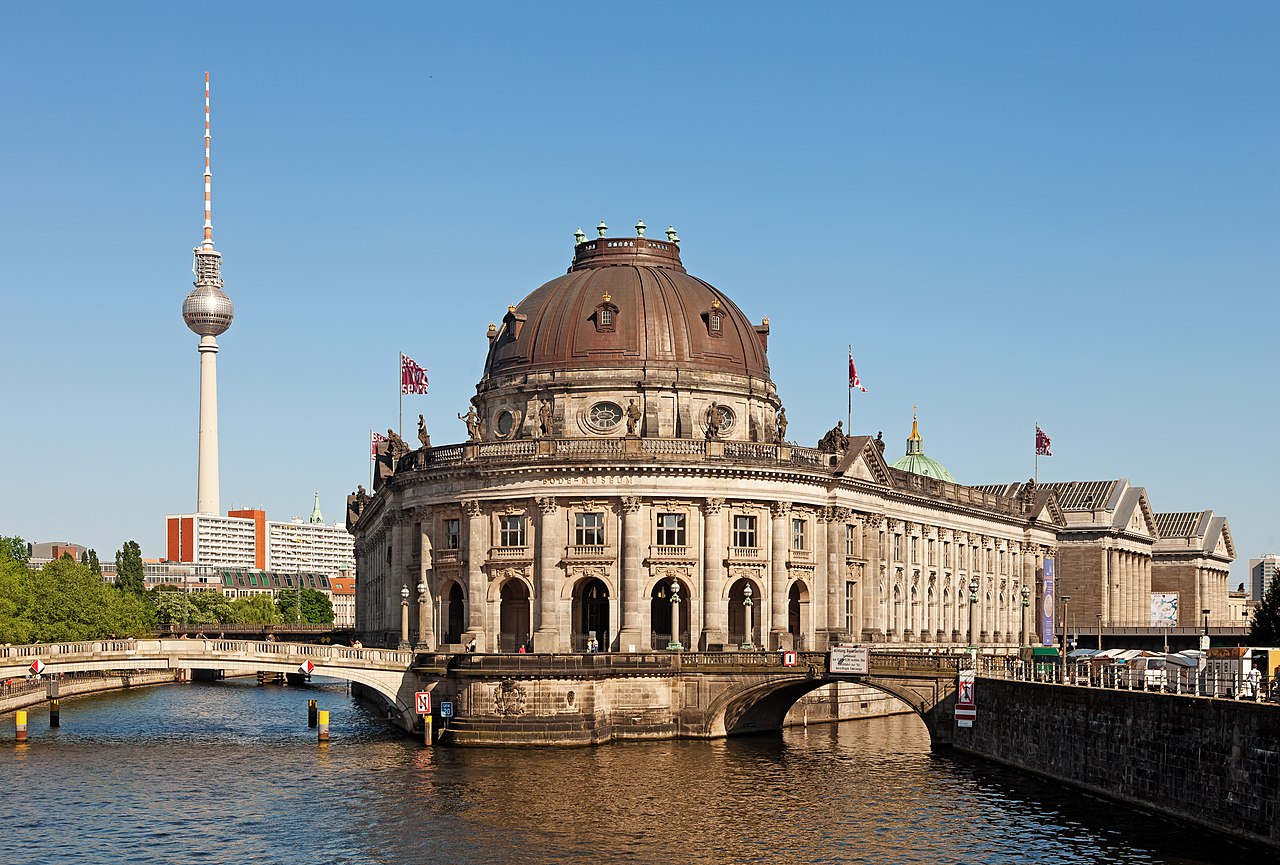
- Cultural sites: Museum Island with the Pergamon Museum and other collections, and numerous theatres and galleries draw large numbers of visitors.
- Iconic monuments: the Brandenburg Gate is one of the city’s best-known symbols and stands within Mitte as a focal point of history and tourism; see Brandenburg Gate.
- Healthcare and education: major hospitals and research institutions are also located in the district, contributing to its role as an administrative and scientific center.
Urban life and transport
Mitte combines bustling commercial corridors and quieter residential streets. The borough contains key transport hubs and connections to the wider city: tram and rail lines, S-Bahn and U-Bahn stations, and road arteries converge here, making Mitte a primary destination for commuters and tourists. Large green spaces such as the Tiergarten offer recreational relief inside the urban fabric.
Governance, planning and significance
As a borough, Mitte is administered by a borough council responsible for local matters — planning, schools, social services and cultural policy — while the federal government and city-wide institutions situated in Mitte influence urban development and security. The area is notable for juxtaposing restored historic quarters, postwar urban renewal projects and contemporary developments, which makes it a focal point for debates about heritage conservation, housing and economic growth.
Mitte’s importance stems from its combination of symbolic sites, day-to-day political functions and intensive cultural activity. Visitors and residents alike encounter a compact district where Berlin’s past and present intersect, and where the legacy of division and reunification remains visible in architecture and urban life.
Related articles
Author
AlegsaOnline.com Mitte (Berlin borough) Leandro Alegsa
URL: https://en.alegsaonline.com/art/65588