
Mitocu Dragomirnei — commune in Suceava County, Romania
Mitocu Dragomirnei is a rural commune in Suceava County, northeastern Romania, known for the Dragomirna Monastery, its Bukovina cultural setting, mixed agriculture and local heritage tourism.
Overview
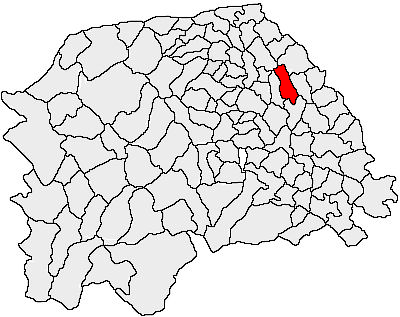
Mitocu Dragomirnei is a rural commune in Suceava County, located in the northeastern part of Romania. It lies within the historical region of Bukovina and comprises several small villages and hamlets typical of the area. The commune is widely associated with the nearby Dragomirna Monastery, an important religious and cultural landmark that attracts visitors and pilgrims.
Image gallery
4 Images


Geography and composition
The landscape around Mitocu Dragomirnei features gentle hills, agricultural fields and areas of woodland. Local roads connect the commune with nearby towns and the county seat, allowing access to markets and services. Settlement is largely rural and dispersed, with farms, orchards and family-owned plots shaping the local economy.
Notable landmark
Dragomirna Monastery, located close to the commune, dates from the early 17th century and is noted for its tall, narrow church proportions and richly decorated interior. The monastery historically served as an Orthodox spiritual center and a place for manuscript copying and church learning, and it remains a focal point for cultural tourism and religious observance.
History and culture
The area shares the layered history of Bukovina: medieval Moldavian roots, a period under Habsburg administration and eventual integration into modern Romania. Local culture preserves traditional crafts, folklore, religious customs and cuisine that reflect this complex past. The population today is predominantly Romanian, while the broader region has historically been ethnically diverse.
Economy and contemporary life
Economic life in Mitocu Dragomirnei is based chiefly on agriculture, small-scale trade and services that support residents and visitors. Monastery-related tourism and seasonal religious events bring occasional influxes of visitors, providing additional income for guest services and local producers. Community efforts often focus on balancing heritage conservation with rural development.
Access and administration
The commune is administered as a local unit within Suceava County and is served by county roads linking it to nearby urban centers. Public services are typical of Romanian rural communes: local administration, primary education facilities, and basic healthcare services in nearby towns. Transport options are primarily by car or regional bus routes.
Conservation and tourism
Conservation of historical and religious sites is a local priority, with efforts to preserve architectural details and church collections. Visitors are encouraged to respect religious customs and to support local businesses. Information for visitors is available through regional tourist offices and local parish channels.
Quick facts
- Region: Bukovina, northeastern Romania.
- Administrative unit: commune within Suceava County.
- Notable for: Dragomirna Monastery, rural landscape and Bukovinian cultural traditions.
Related articles
Author
AlegsaOnline.com Mitocu Dragomirnei — commune in Suceava County, Romania Leandro Alegsa
URL: https://en.alegsaonline.com/art/65557