
Minor character (fictional role in narrative)
A minor character is a supporting or infrequently appearing fictional figure in literature, film, or television whose presence advances plot, builds setting, or highlights main characters.
A minor character is a fictional presence who appears infrequently or plays a limited role in a narrative. In prose, drama, film and television, these figures are distinct from protagonists and major supporting characters because they typically have less screen or page time, fewer lines, and narrower narrative arcs. Writers employ minor characters deliberately to serve functions that do not require sustained development. For a general definition see character and for medium-specific contexts see book and movie.
Image gallery
1 Image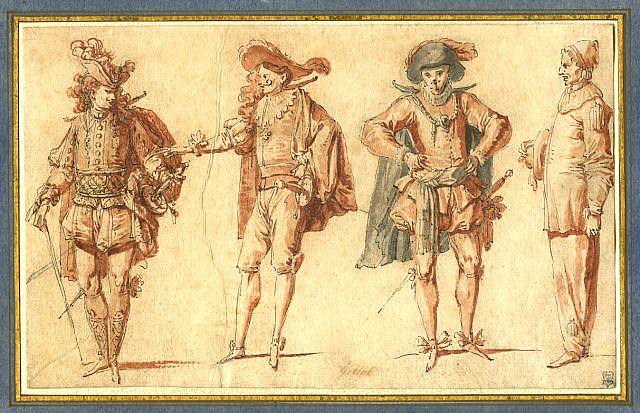
Characteristics and common roles
- Exposition: Convey background information or explain setting without shifting focus from the main plot.
- Catalyst: Trigger an event or decision that advances the protagonist’s story.
- Foil or contrast: Emphasize traits of lead characters by providing contrast in temperament or values.
- World-building: Populate the story world and make it feel lived-in through shops, neighbors, co-workers, and passersby.
- Comic relief or mood: Offer humor, tension relief, or atmospheric detail in brief appearances.
Historically, minor characters have existed as long as storytelling itself: unnamed attendants and stock figures appear in ancient drama and oral tradition, while novels and modern screenwriting refined their use. Dramatic conventions and serialized media expanded opportunities for small roles; even a brief appearance can become a recognizable touchpoint in a longer franchise or series.
Distinguishing a minor character from related concepts helps clarify their place: a "bit part" or cameo is usually shorter or more incidental, a "stock character" represents a familiar type, and a supporting character may be more fully developed. Minor characters can be named or unnamed, and sometimes gain greater prominence later through sequels, fan interest, or spin-offs.
Writers and directors use minor characters economically: they save narrative space while enriching realism, providing necessary information, and shaping audience perception of leads. Though often overlooked, these figures perform essential functions that keep a story coherent, textured, and believable.
Related articles
Author
AlegsaOnline.com Minor character (fictional role in narrative) Leandro Alegsa
URL: https://en.alegsaonline.com/art/65286