
Ash Wednesday
Ash Wednesday marks the beginning of Lent in many Western Christian churches, a day of penitence, the imposition of ashes and the start of a season of fasting, reflection and spiritual preparation for Easter.
Ash Wednesday is the liturgical day that begins the season of Lent in many Western Christian traditions. It signals a period of preparation for Easter through prayer, self-examination and acts of penance. The day is widely observed by Roman Catholics, Anglicans, Lutherans, Methodists and some Reformed churches, and its outward signs — especially the placing of ashes on the forehead — are intended to prompt reflection on mortality and repentance.
Image gallery
10 Images


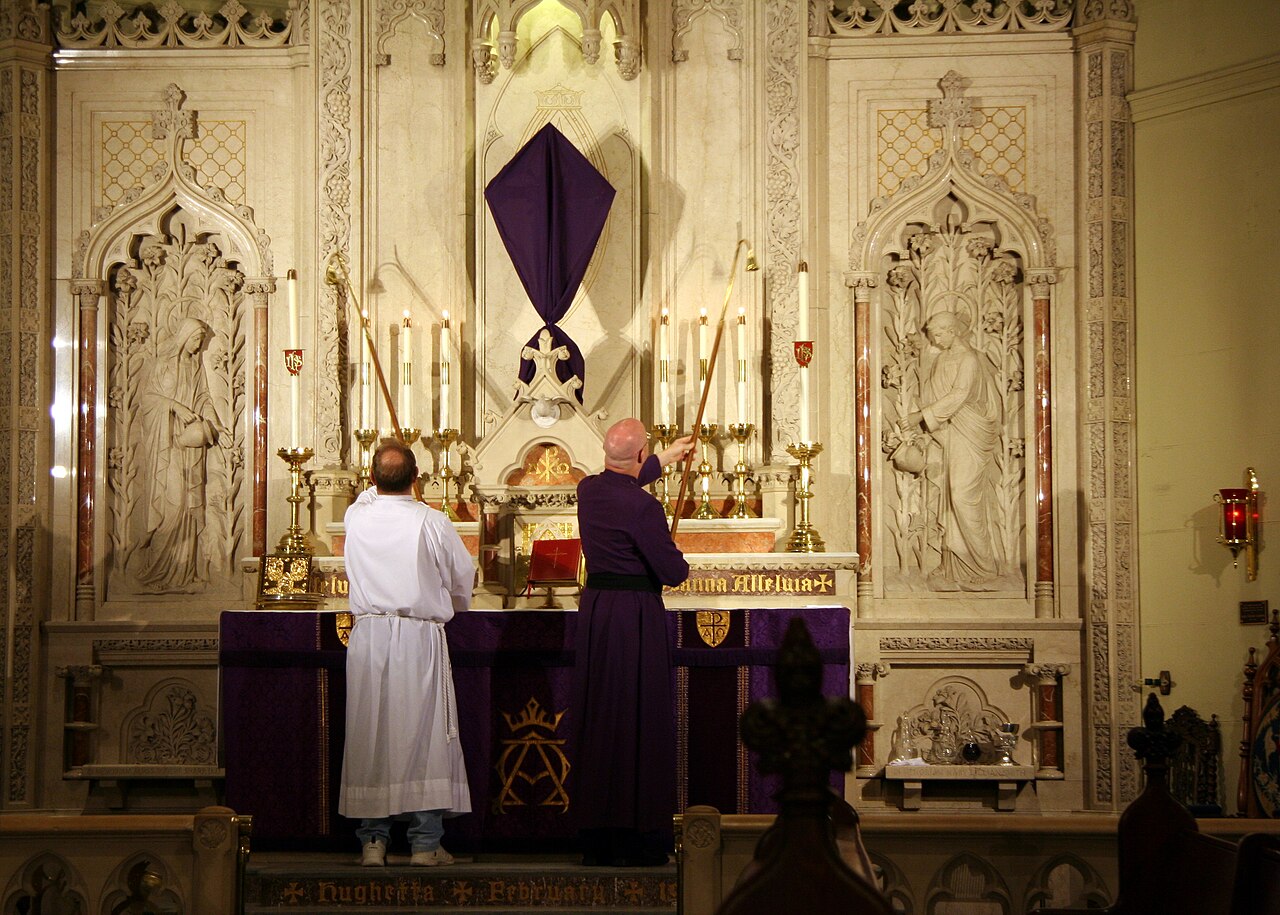




Origins and historical development
The use of ashes as a sign of mourning and repentance has roots in ancient Jewish and early Christian practices. By the early centuries of Christianity, public penance and symbolic gestures were established ways to express contrition. Over time these penitential customs coalesced into the annual observance that precedes Easter, becoming more formalized in the Middle Ages and later incorporated into parish worship across much of Western Christianity.
Rituals and symbols
On Ash Wednesday many churches hold services at which clergy mark worshippers’ foreheads with ashes in the shape of a cross or, in some communities, sprinkle ashes on the head. The ashes are traditionally made by burning the palm branches from the previous year’s Palm Sunday. Common phrases spoken as the ashes are imposed include reminders of human frailty and calls to repentance.
Timing and the season that follows
The date of Ash Wednesday varies each year because it is determined by the date of Easter; it normally occurs in February or March and begins a period of roughly six weeks of preparation. Sundays within Lent are often treated differently in many churches and are not always counted as days of fasting because they retain a celebratory character.
Fasting, abstinence and exceptions
Ash Wednesday traditionally includes practices of fasting and, in some traditions, abstinence from certain foods. Congregations and denominations differ about the strictness of these disciplines; some require limited eating or the avoidance of meat, others encourage voluntary acts of self-denial. Common exemptions apply to those for whom fasting would be harmful: the ill, pregnant or nursing people, the very young and the elderly. Pastoral guidance is often offered so that individuals can observe the season responsibly and charitably.
Variations and notable distinctions
Not all Christian communities observe Ash Wednesday. Eastern Orthodox churches generally begin Lent on a different day and employ different liturgical forms. Within Western traditions there is variety in how ashes are distributed, the words used, and the emphasis placed on communal penance versus personal devotion. The observance remains culturally significant as a public reminder of renewal, humility and the spiritual journey toward Easter.
For practical resources on calendar details, liturgies and guidance for families and children, many parishes and denominational bodies publish materials online and in print; for general information see local church guidance and religious education resources for Western Christian practice and instruction for children.
Related articles
Author
AlegsaOnline.com Ash Wednesday Leandro Alegsa
URL: https://en.alegsaonline.com/art/6524