
Military of Ancient Rome
An overview of Rome's military institutions from the city's founding to the fall of the Western Empire, covering organization, tactics, navy, reforms, and legacy.
Overview
The military of ancient Rome encompassed the armed forces that served the Roman state from its legendary founding through the collapse of the Western Roman Empire. Romans themselves used terms like militia to describe their soldiery. The armed services originally centered on a citizen army and, later, a growing professional force. Campaigns ranged from wars against neighboring Italian peoples to expeditions in Parthia and conquests on the coasts and islands, including operations in the British Isles. The institution adapted across Republican, Imperial, and late-Imperial phases to meet changing political and strategic needs.
Image gallery
9 Images




Organization and characteristics
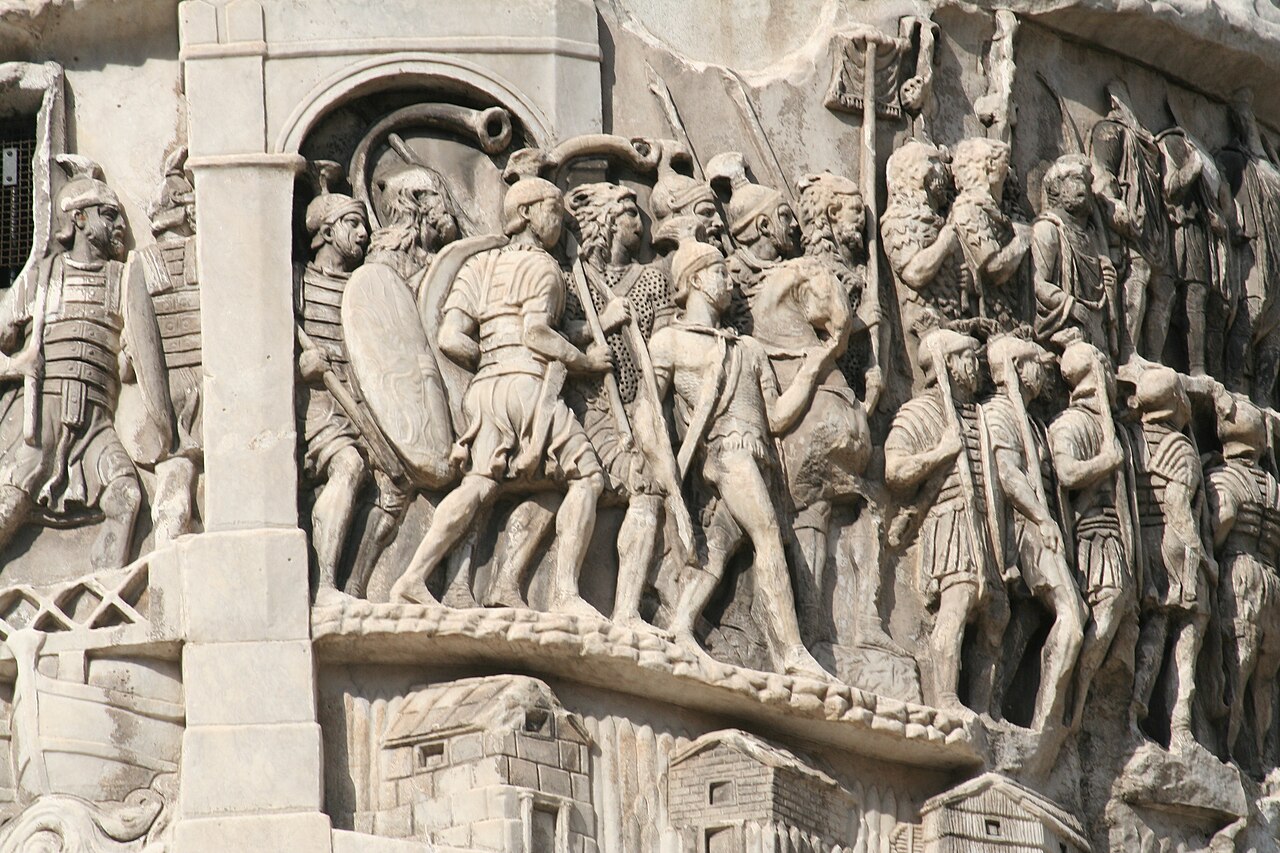
Rome's land forces were built around the legion, a large unit composed of heavily armed infantry. At different times a legion typically contained several thousand soldiers. By the late Republic and early Empire the legion had standardized equipment, training, and command structures. Complementing legions were allied and auxiliary troops recruited from non-citizen populations; these provided cavalry, light infantry, and specialist skills. Soldiers trained in formation fighting, engineering, and camp organization, giving Roman forces strength in discipline and logistics as well as in weaponry like pila (javelins) and gladii (short swords).
Doctrine, tactics and engineering
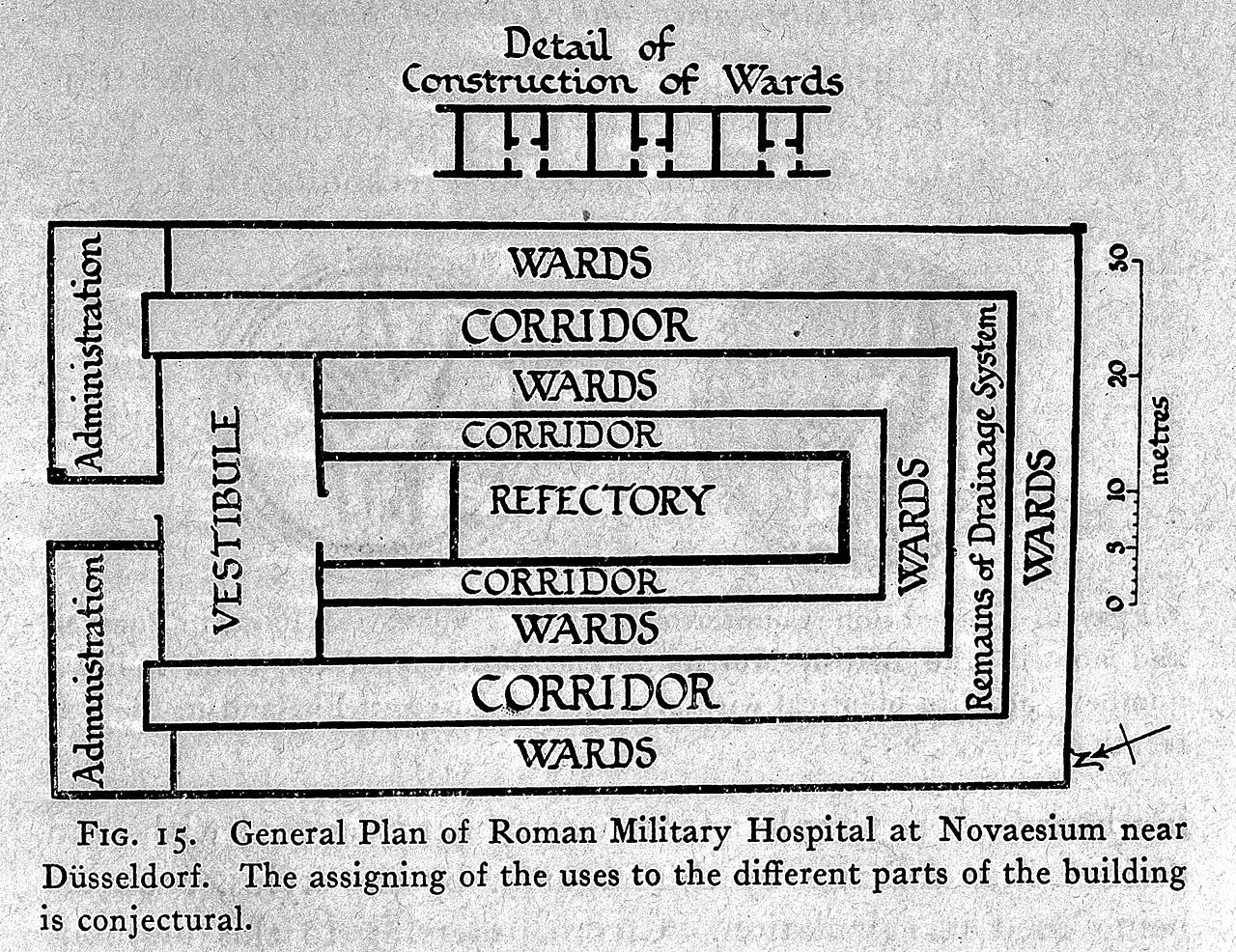
Roman tactics evolved from the manipular system of the early Republic to the cohort-based formations of the late Republic and Empire. Flexibility, mutual support, and coordinated use of missile troops and heavy infantry characterized Roman battle doctrine. Beyond combat, Roman armies were renowned for their engineering: building roads, bridges, fortified camps, siege engines, and cities as part of campaign operations. These capabilities helped sustain long campaigns and project power across diverse terrains.
Naval forces
Although Rome began as a primarily land-focused power, a navy emerged during conflicts such as the wars with regional powers and maritime republics. The Roman navy later came to dominate the Mediterranean (the Mare Nostrum concept) and protected maritime trade routes and coastlines. Naval forces carried soldiers, performed blockades and amphibious assaults, and supported logistics for distant campaigns.
History and major reforms
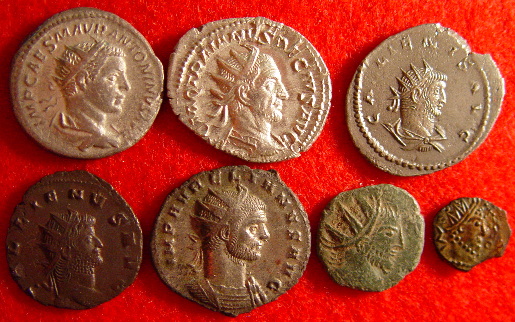
Over centuries the Roman military underwent significant reforms. Republican levies of citizen-soldiers gave way to more professional standing forces, particularly after reforms attributed to leaders such as Marius, who opened service to the landless and reorganized recruitment and equipment. Under the emperors, legions became permanent units garrisoned on frontiers. In the late Empire the army expanded in size and structure, increasingly incorporating federate units drawn from Germanic and other peoples to defend borders and maintain order in the provinces. The Western Empire ultimately relied heavily on such federates before its political collapse.
Role, campaigns and legacy
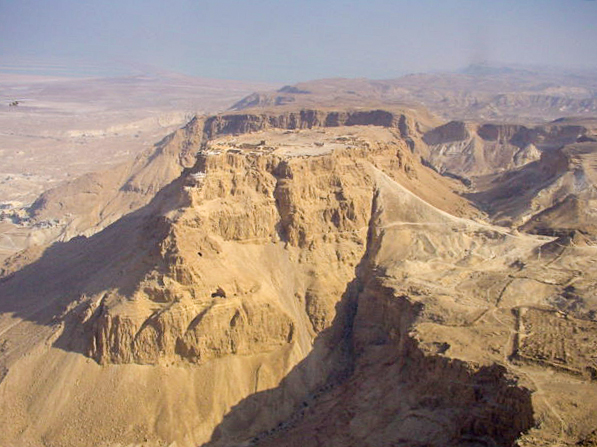
The Roman military was central to state formation, territorial expansion, and internal stability. Famous campaigns and theaters included struggles for dominance in Italy, the Civil Wars, eastern wars against powers such as Parthia, and frontier operations in Britain and Germania. Contemporary writers like Josephus remarked on Roman martial character. The organization, engineering achievements, and tactical innovations of Rome influenced many later military systems and remain a key subject in the study of ancient warfare and state power. For further contextual reading on Rome and its institutions see entries on Ancient Rome, the Roman army, the founding of the city, and the decline of the Western Roman Empire.
- Core components: legions, auxilia, cavalry, engineers
- Key strengths: discipline, logistics, engineering
- Notable limitations: reliance on supply lines and, in the late period, dependence on federate troops
Questions and answers
Q: What is the Military of Ancient Rome?
A: The Military of Ancient Rome means all military forces of Ancient Rome from the founding of the city of Rome to the end of the Western Roman Empire.
Q: When was a navy added to the Roman army?
A: A small navy was added during the Second Samnite War, around 320 BC.
Q: How long was the history of the Roman military?
A: The history of the Roman military was more than 1300 years.
Q: Where did the Roman armies fight?
A: The Roman armies fought in Parthia, Africa, and the British Isles.
Q: What was the state of the army in the middle of the Roman Imperial period?
A: After a series of reforms, the army became highly trained and was well equipped in the middle of the Roman Imperial period.
Q: Did the Romans have a powerful navy?
A: Yes, the Romans had a powerful navy that ruled the Mediterranean and the European Atlantic coast.
Q: Why were the military's numbers significantly increased in the late Imperial period?
A: In the late Imperial period, the military's numbers were significantly increased to cover the borders and keep internal peace as the Western Roman Empire relied heavily on units of mostly Germanic tribes living within the borders who fought in the name of Rome during the Migration Period.
Related articles
Author
AlegsaOnline.com Military of Ancient Rome Leandro Alegsa
URL: https://en.alegsaonline.com/art/64975