
Mikhail Zadornov — Soviet and Russian satirist and stand-up comedian
Mikhail Zadornov (1948–2017) was a popular Soviet and Russian stand-up comedian and writer, known for satire of national character, folk etymology wordplay, stage monologues, and a public role in contemporary political debates.
Mikhail Nikolayevich Zadornov (July 21, 1948 – November 10, 2017) was a Soviet and Russian stand-up comedian, satirist and author whose stage monologues and essays reached wide audiences across the former Soviet Union. Born in Jūrmala in the Latvian SSR, he rose to prominence for performances that mixed observational comedy, social critique and linguistic play. Over several decades he became one of the most recognisable voices in Russian popular humour, appearing on television, in theatres and on tour.
Image gallery
2 Images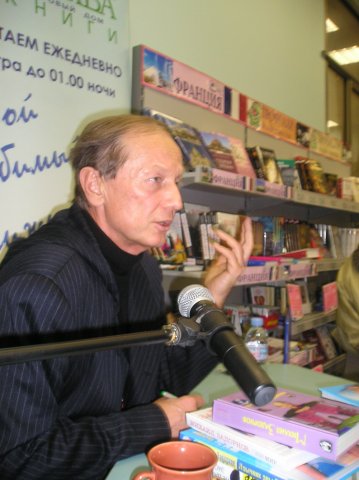

Style, themes and techniques
Zadornov's humour focused on perceived national stereotypes and comparisons of mentalities, often contrasting Russian traits with those of other nations in a way intended to provoke recognition and laughter among listeners. From the mid-2000s he increasingly used folk-etymology wordplay and linguistic puzzles inspired by scholars of popular linguistics; this approach reworked sounds and roots to produce surprising or comic reinterpretations of words and names. His performances typically relied on extended monologues, clear punchlines and performative timing rather than on sketch ensembles.
- Frequent themes: everyday life, bureaucracy, cultural differences, family and generational changes.
- Techniques: parody, anecdote, rhetorical questions, folk etymology and phonetic jokes.
- Formats: stage monologues, recorded programmes, published essays and books.
Career and public life
Zadornov began performing in the late Soviet period and adapted his material to changing audiences in the 1990s and 2000s. He appeared on television programmes, released recorded concerts and published collections of humourous pieces. His reputation rested on a combination of broad popular appeal and a consistent stage persona: a sharp observer who could frame trivial incidents as illustrations of larger cultural traits. He maintained a significant following among Russian-speaking viewers in Russia and abroad.
Politics and controversies
As a public figure, Zadornov sometimes attracted controversy for blending comedy with explicit opinions. In March 2014 he was among the public figures who signed a letter expressing support for the position of the President of Russia concerning the accession of Crimea; the signature drew attention and comment from supporters and critics alike. Readers seeking primary sources or more context can consult a Russian-language page detailing his positions via biographical sources and media coverage of his later years on domestic media pages. His birthplace is documented in regional references at Jūrmala, while reports of the 2014 statement appear in public records such as the Crimea letter.
Death and legacy
Zadornov died in Moscow on November 10, 2017; public statements indicated that he had been treated for a brain tumour. His passing prompted reflections on the role of satire in late Soviet and post‑Soviet culture and on the balance between humour that unites audiences by shared recognition and comedy that participates in political debate. He remains a notable example of a comedic performer whose work combined linguistic curiosity with observations about national character. Contemporary discussions of his oeuvre and influence can be found in cultural reviews and retrospectives published after his death and in archives located in Moscow-based collections.
Notable facts and distinctions:
- Born: July 21, 1948, Jūrmala, Latvian SSR.
- Known for: stand-up monologues, satire, and folk-etymology wordplay (from c. 2006).
- Political stance: signed a 2014 letter supporting the position on Crimea accession.
- Died: November 10, 2017, in Moscow; reported cause was a brain tumour.
For further reading and primary materials consult dedicated biographical and media resources: biographical pages, televised archives and collections of his published humour (see links above and related cultural repositories).
Related articles
Author
AlegsaOnline.com Mikhail Zadornov — Soviet and Russian satirist and stand-up comedian Leandro Alegsa
URL: https://en.alegsaonline.com/art/64874
Sources
- mihail-zadornov.ru : Биография — Михаил Задорнов
- aif.ru : "Задорнов: в Латвии хотят запретить въезд Безрукову, Гергиеву, Михалкову"
- ren.tv : Михаил Задорнов умер в московской клинике