
Midas: the Phrygian King and the Golden Touch
Midas is a legendary king of Phrygia in classical mythology famed for a wish that turned things to gold. The story contrasts wealth with happiness and has inspired art, language, and reflections on greed and consequence.
Overview
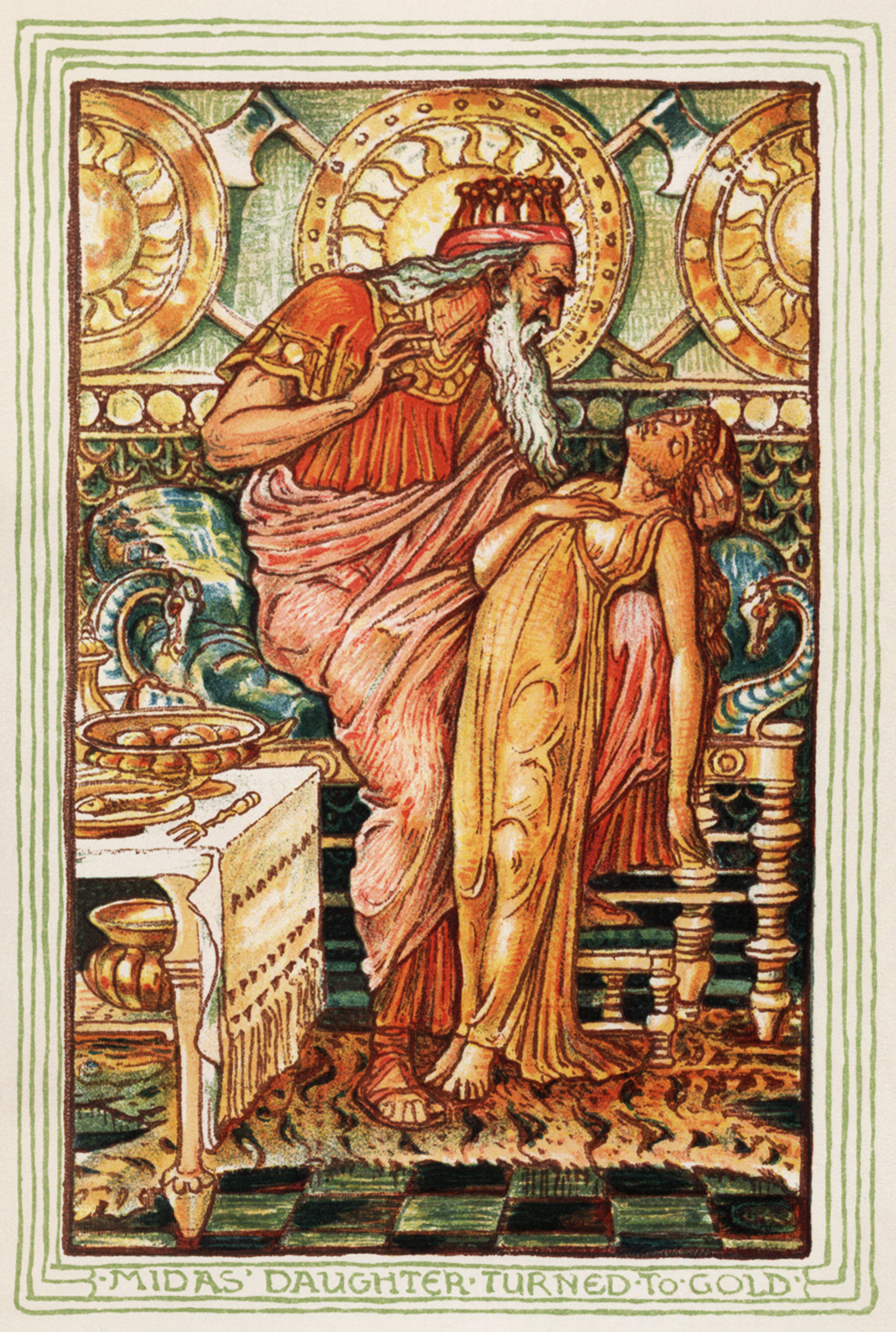
Midas is a figure from classical mythology traditionally described as a king of Phrygia. In the best-known version of his tale, a gift granted by the gods causes whatever he touches to turn to gold. That boon quickly becomes a curse when food, drink and even the embrace of loved ones are transformed, forcing him to seek relief and to learn a lesson about desire and moderation.
Image gallery
10 Images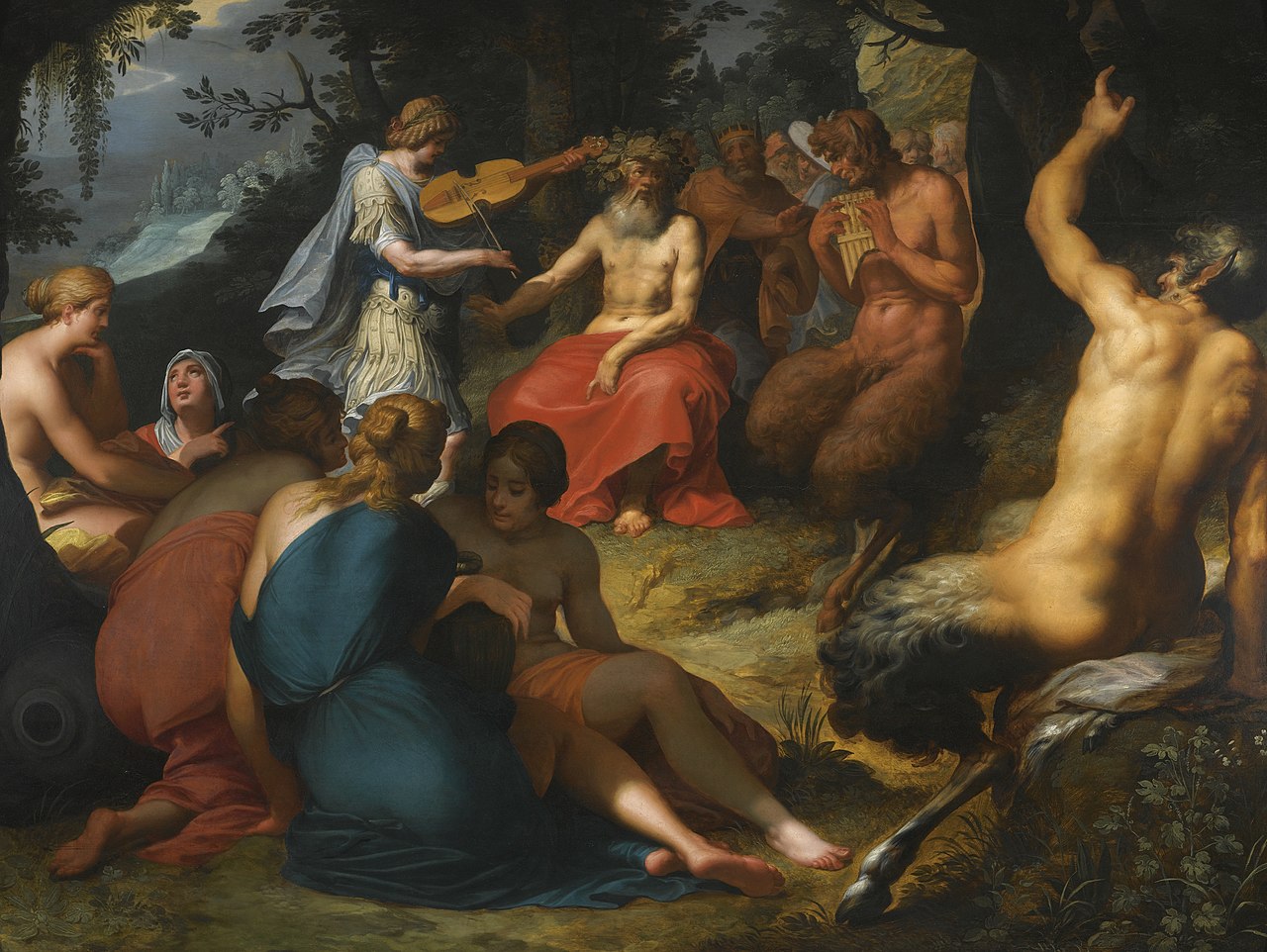


Versions and key elements
Different ancient sources present variations of Midas’s story. The most famous motif is the so-called "Midas touch," an ability to transmute objects into precious metal. Another popular episode involves Midas receiving donkey ears after a judgment in a musical contest—an episode that emphasizes humiliation rather than greed. These narratives share themes of excess, divine retribution and transformation.
Symbolism and meanings
The Midas tale functions as a moral fable about the dangers of avarice and the limits of material wealth. It is often interpreted as a warning that untempered desire can destroy what matters most. In literary and artistic traditions the story is used to explore contrasts between appearance and value, want and well‑being, and human folly in the face of divine power.
Historical and archaeological context
While Midas is primarily a mythic character, the legends are rooted in the geography and culture of Anatolia. Archaeological remains attributed to the Phrygian kingdom — monuments, tumuli and rock carvings in central Anatolia — have sometimes been linked to the milieu that produced stories about rulers like Midas. Scholars treat the figure as a blend of folklore and possibly historical memory rather than as a verifiable individual.
Cultural influence and modern usage
The phrase "the Midas touch" has entered many languages as a metaphor for seemingly effortless and profitable success. The story appears across art, opera, literature, film and advertising. It is invoked in business and popular discourse to describe people or strategies that convert opportunity into wealth, often with an ironic nod to potential unforeseen costs.
Notable facts and distinctions
- The name Midas is associated with multiple episodes in ancient storytelling, not a single canonical narrative.
- Artistic depictions alternate between tragic and comic tones depending on which aspect of the myth is emphasized.
- The tale endures because it combines simple imagery with complex ethical questions about greed, power and human desire.
Related articles
Author
AlegsaOnline.com Midas: the Phrygian King and the Golden Touch Leandro Alegsa
URL: https://en.alegsaonline.com/art/64654