
Ascanio Sobrero: Discoverer of Nitroglycerin and Early Critic of Its Use
Italian chemist Ascanio Sobrero (1812–1888) discovered nitroglycerin in 1847, warned of its dangers, and served as a professor in Turin. His work influenced later development of explosives and medicine.
Ascanio Sobrero (12 October 1812 – 26 December 1888) was an Italian chemist best known for his 1847 discovery of nitroglycerin. Born in Casale Monferrato, Sobrero trained in chemistry and worked for periods in France, where his experiments led to the isolation of a highly energetic compound from glycerin. His discovery had far-reaching technical and social consequences: it became the basis for powerful explosives and later found a role in medicine.
Image gallery
2 Images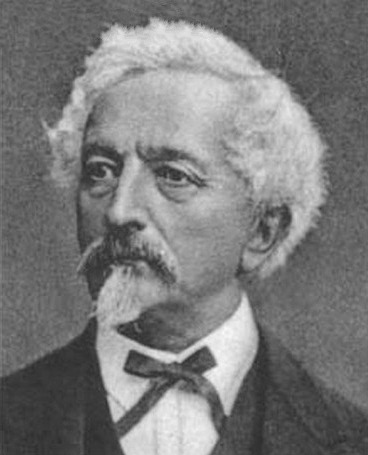

Discovery and chemical characteristics
While working in Paris, Sobrero treated glycerin with a mixture of concentrated nitric and sulfuric acids, producing a viscous, oily substance with very strong explosive properties. This compound, commonly called nitroglycerin (glyceryl trinitrate), is a dense, colorless to pale yellow liquid that is highly sensitive to shock, friction, and heat. Sobrero recognized both its potency and its danger, and he cautioned contemporaries about practical use.
- Appearance: oily liquid, pale to colorless.
- Reactivity: highly explosive and sensitive to detonation.
- Chemical origin: produced by nitration of glycerin with strong acids.
Career, injury, and ethical stance
Sobrero spent part of his career in Paris and later returned to Italy, where he became a professor of chemistry in Turin. During his early work with nitroglycerin he suffered an accident that caused facial injuries, an event that reinforced his concern about the compound's hazards. He publicly expressed remorse that his discovery could be used as a weapon and urged caution, believing the substance too dangerous for routine applications.
Legacy and historical impact
Although Sobrero discouraged the use of nitroglycerin as an explosive, other inventors and engineers explored ways to harness it. Most notably, later developments converted the compound into safer, transportable forms that gave rise to dynamite and modern blasting agents. Nitroglycerin also found a therapeutic role in small, controlled doses as a vasodilator for angina pectoris. Sobrero's name remains linked to the original discovery and to the ethical debate about scientific responsibility.
Notable facts
- Biographical summaries note his birthplace and academic posts.
- His chemical work in Paris produced the first samples of nitroglycerin.
- Sobrero was professionally active as a chemist and teacher in Italy.
- The substance he discovered is often referenced under the name nitroglycerin.
- He later worked and died in Turin, where he served as a professor.
Sobrero's life exemplifies a recurring theme in the history of science: an advance with profound technical utility that also raised difficult safety and moral questions. His caution and the subsequent developments based on his discovery together shaped industry, medicine, and public debate about the control and use of powerful technologies.
Related articles
Author
AlegsaOnline.com Ascanio Sobrero: Discoverer of Nitroglycerin and Early Critic of Its Use Leandro Alegsa
URL: https://en.alegsaonline.com/art/6458
Sources
- nobelprize.org : "Ascani Sobrero"