
Mexican Canadians
People in Canada of Mexican ancestry or birth, forming vibrant communities that contribute culturally, economically and socially across Canadian cities and regions.
Mexican Canadians are people in Canada who trace their origins to Mexico, whether by birth, ancestry or long-term residence. This group includes Canadian citizens, permanent residents and temporary migrants who maintain cultural, family and economic ties to Mexico while participating in Canadian civic life.
Image gallery
3 Images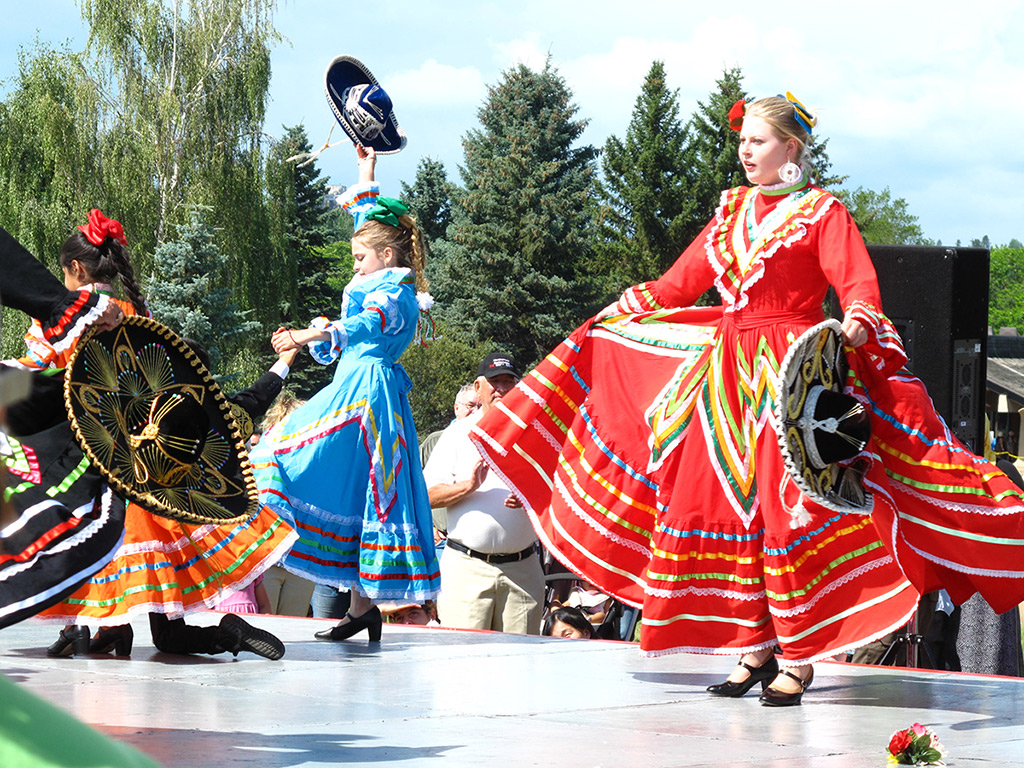


History and migration patterns
Migration from Mexico to Canada began in small numbers in the 20th century and expanded markedly in the late 20th and early 21st centuries. Growth was driven by educational opportunities, employment programs, family reunification, and increasing economic and diplomatic links between the two countries. Temporary worker programs and the broader movement of students and professionals have been important channels for migration.
Demographics and settlement
Mexican Canadians are found across Canada but are most visible in major urban centres and regions with strong labour demand. Common destinations include large cities and surrounding areas in provinces such as Ontario, British Columbia and Alberta. Many community members are bilingual (Spanish and English, sometimes French) and may hold dual nationality under Mexican law.
Culture and community life
Community organizations, religious congregations, cultural festivals and restaurants sustain Mexican traditions in Canada. Public celebrations often highlight Mexican music, dance, cuisine and national holidays. Local associations provide social support, language services and cultural programming that help preserve heritage while fostering integration into Canadian society.
Economy and contributions
Mexican Canadians participate across the economy as students, entrepreneurs, skilled professionals and seasonal or temporary workers. They contribute to agriculture, construction, services, education, arts and small business. Transnational networks link families and firms across borders, supporting remittances, trade and cultural exchange.
Notable distinctions and current issues
Mexican Canadians are distinct from Mexican populations in other countries in their legal pathways, settlement experiences and regional distribution in Canada. Community concerns commonly focus on immigration status, labour rights, recognition of credentials, language access and maintaining cultural identity. The group adds to Canada’s multicultural mosaic while sustaining active connections with Mexico.
- Common roles: students, temporary agricultural workers, professionals, entrepreneurs.
- Community supports: cultural associations, consular services, festivals.
- Identity: diverse ethnic, linguistic and religious backgrounds, including Indigenous and mestizo heritages.
Related articles
Author
AlegsaOnline.com Mexican Canadians Leandro Alegsa
URL: https://en.alegsaonline.com/art/64317
Sources
- www12.statcan.gc.ca : www12.statcan.gc.ca/nhs-enm/2011/dp-pd/prof/details/page.cfm?Lang=E&Geo1=PR&Code1=01&Data…
- cic.gc.ca : Facts and figures 2011 — Immigration overview: Permanent and temporary residents — Permanent residents