
Migrant worker
A migrant worker is a person who moves away from their usual residence to work. This article explains types, causes, legal protections, economic roles, vulnerabilities and distinctions from expatriates and foreign workers.
Overview
A migrant worker is someone who moves from their usual place of residence to another location—within a country or across borders—to take up employment. Mobility may be temporary, seasonal, circular or long‑term. The term covers a wide range of situations from formally recruited contract workers to undocumented labourers; it also overlaps with related labels such as 'foreign worker' and, in some contexts, 'expatriate'.
Image gallery
10 Images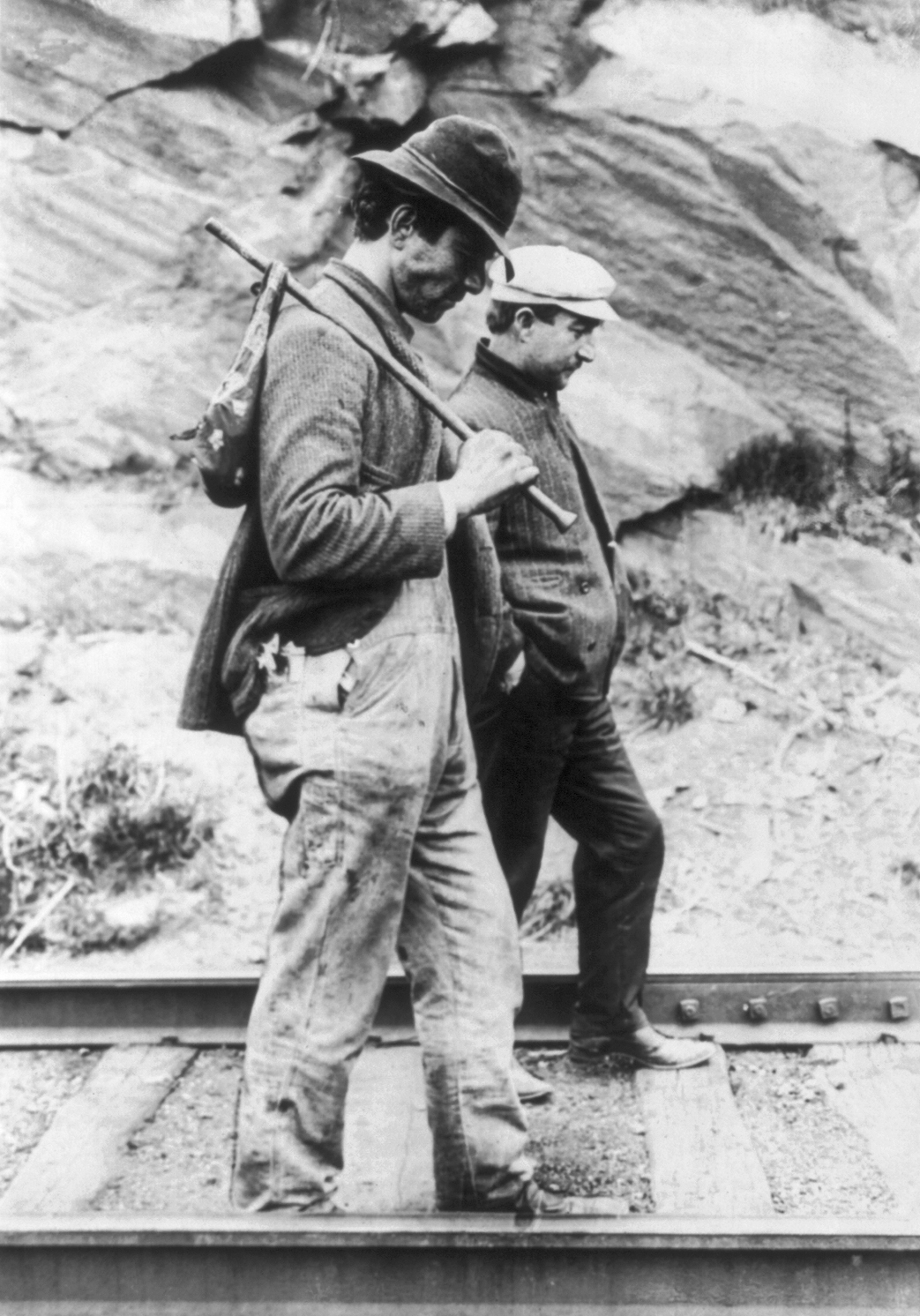




Key characteristics and categories
Migrant workers can be classified by duration, legal status and sector. Common distinctions include:
- Seasonal and temporary workers: labourers who move for specific periods, for example harvest seasons or construction projects.
- Contract and recruited workers: individuals employed under formal agreements, often arranged through agencies or bilateral programmes.
- Irregular or undocumented workers: people without the legal authorization to work in the host location, who are at greater risk of exploitation.
- Highly skilled migrants: professionals who relocate for specialist roles; sometimes referred to as expatriates in corporate contexts.
Typical sectors and roles
Migrant labour is concentrated in certain industries that depend on flexible workforces. Common sectors include agriculture, construction, domestic and care work, hospitality, manufacturing and transport. In many receiving areas migrant workers fill jobs that are hard to staff locally or are seasonal by nature.
Causes and historical context
Decisions to migrate for work are driven by a mix of push and pull factors: limited opportunities, insecurity or environmental pressures in origin areas (push), and higher wages, labour demand or established migrant networks in destination areas (pull). Modern labour migration increased with industrialization, expanding international transport and evolving immigration laws; regional integration schemes and labour agreements have also reshaped flows in recent decades.
Legal protections, governance and international frameworks
Governance of migrant labour involves national laws, bilateral labour agreements and international standards. Key instruments and institutions include the International Labour Organization and conventions addressing labour rights and recruitment practices. The United Nations adopted the International Convention on the Protection of the Rights of All Migrant Workers and Members of Their Families in 1990 to establish norms for treatment and protections; implementation varies by state and many migrants rely on a patchwork of protections and programmes. For more information on international labour standards see relevant ILO resources and consult the UN instrument at UN migrant workers' convention. Regional arrangements such as the European Union's single market and enlargement processes have affected worker mobility within Europe; for discussion of those dynamics see EU mobility and enlargement.
Economic and social impacts
Migrant workers contribute to destination economies by supplying labour, paying taxes and consuming locally; they also send remittances that support households and economies of origin communities. At the same time, migration can raise policy challenges—competition in local labour markets, pressures on public services, and demographic effects. Social impacts depend on integration policies, labour protections and community responses.
Vulnerabilities and policy responses
Migrant workers, particularly those in irregular situations or in low‑paid, informal sectors, face heightened risks: unsafe working conditions, wage theft, restricted access to healthcare and social protections, and exposure to trafficking. Effective responses include regulated recruitment, enforcement of labour standards, access to justice and services, bilateral labour agreements, and pathways to regularization. Policymakers balance labour market needs, human rights obligations and public concerns in designing these responses.
Notable distinctions
- Migrant worker vs. expatriate: 'Expatriate' is often used for skilled or corporate employees with formal packages; 'migrant worker' is broader and frequently applied to lower‑paid or temporary labour mobility.
- Regular vs. irregular: legal status affects rights, protections and access to services.
- Short‑term vs. long‑term migration: patterns shape both individual outcomes and demographic effects on origin and destination areas.
Understanding migrant workers requires attention to legal frameworks, economic forces and human rights. Balanced policy approaches seek to harness the economic benefits of labour mobility while reducing exploitation and ensuring basic protections for all workers, regardless of origin or status.
Questions and answers
Q: What is a migrant worker?
A: A migrant worker is someone who regularly works away from home, if they even have a home. The United Nations' use of this term overlaps with 'foreign worker'. In the United States, the term is commonly used broadly to describe people who move frequently to find work or, more narrowly, those who earn low wages performing manual labor in the agriculture field.
Q: How are migrant workers supported?
A: Migrant workers are supported by the International Labour Organization. In 1990, the United Nations also adopted the Convention on the Rights of All Migrant Workers to protect them.
Q: How can migrant workers benefit regional economies?
A: Migrant workers can boost regional economy by spending their wages there. Open borders help migrant workers. In Europe for example countries that recently joined European Union have seen massive outflow of workers to the countries with higher wages.
Q: Are all migrants illegal immigrants?
A: No, not all migrants are illegal immigrants and some may be expelled if found without proper documentation or authorization.
Q: Who are expatriates?
A: Expatriates are people who work in foreign countries outside of their own country of origin or citizenship.
Q: What is the Convention on the Rights of All Migrant Workers?
A: The Convention on the Rights of All Migrant Workers was adopted by the United Nations in 1990 as a way to protect and support migrant workers around the world.
Related articles
Author
AlegsaOnline.com Migrant worker Leandro Alegsa
URL: https://en.alegsaonline.com/art/64789