
Metz-en-Couture — Commune in Pas-de-Calais, Northern France
Overview of Metz-en-Couture, a small commune in the Pas-de-Calais department of northern France: geography, administration, history and local features.
Metz-en-Couture is a small commune in the Pas-de-Calais department of northern France. It belongs to the broad territory now administered as Hauts-de-France and is often described in regional sources under its historical region, Nord-Pas-de-Calais. As a French commune it has the local government and municipal status typical of the country; for local details see the commune entry here.
Image gallery
2 Images
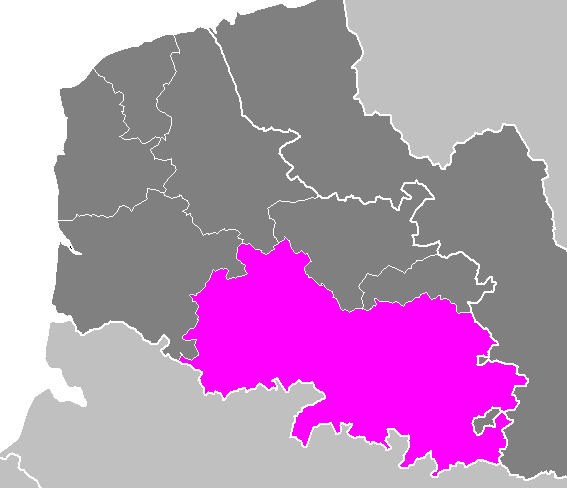
Location and characteristics
The village occupies a rural setting in Pas-de-Calais and is part of the departmental framework often referred to in official materials as Pas-de-Calais. The surrounding landscape is characterized by agricultural land, small lanes and dispersed hamlets. Climatic and geographical descriptions of the area are included in northern France summaries; for regional context consult the northern-France overview here.
History and development
Metz-en-Couture shares much of the broader historical experience of this borderland of France. The locality has roots in rural settlement patterns and, like many communities in the region, experienced disruption during major twentieth-century conflicts. Contemporary historical accounts place the commune within the larger narrative of reconstruction and changing administrative boundaries that led to the present regional structures; background on the department and its history is available via departmental resources.
Governance and community
The commune is administered by a mayor and municipal council, the standard model for French communes. Local services, civil registration and planning are handled at this level while certain functions are coordinated with departmental and regional authorities. Readers interested in administrative arrangements can find structured information at a regional reference page.
Economy, landmarks and life
The local economy is predominantly rural, with farming and related activities forming the economic base. Small villages of this type often support a village hall, a church or chapel, and memorials or cemeteries that reflect local history. Points of interest are typically modest and linked to landscape, community events and heritage. Visitors looking for specifics about sites and services should consult tourist or municipal listings.
Practical information
- Administratively part of the French commune system; municipal matters handled locally.
- Located within the Pas-de-Calais department; regional context provided by Nord-Pas-de-Calais and modern Hauts-de-France resources.
- Further departmental and northern France information: Pas-de-Calais, departmental services, northern France overview.
For administrative records, demographic statistics and up-to-date local news, official municipal sources and departmental portals remain the best starting points; municipal contact and additional references are often linked from the commune's official page here.
Related articles
Author
AlegsaOnline.com Metz-en-Couture — Commune in Pas-de-Calais, Northern France Leandro Alegsa
URL: https://en.alegsaonline.com/art/64288