
Metonymy: naming by association in language and rhetoric
Metonymy is a figure of speech that names one thing by using a closely related concept or institution. It appears in literature, politics, journalism and everyday speech as a compact, evocative shorthand.
Overview
Metonymy is a figure of speech in which one entity is referred to by the name of something closely associated with it. Instead of naming an object, person, or concept directly, speakers substitute a related term that evokes the original by contiguity: place for institution, object for function, creator for creation, or instrument for action. See the general article on figures of speech for context. Unlike metaphor, which draws a comparison based on similarity, metonymy depends on real-world association.
Image gallery
4 Images


Common patterns and examples
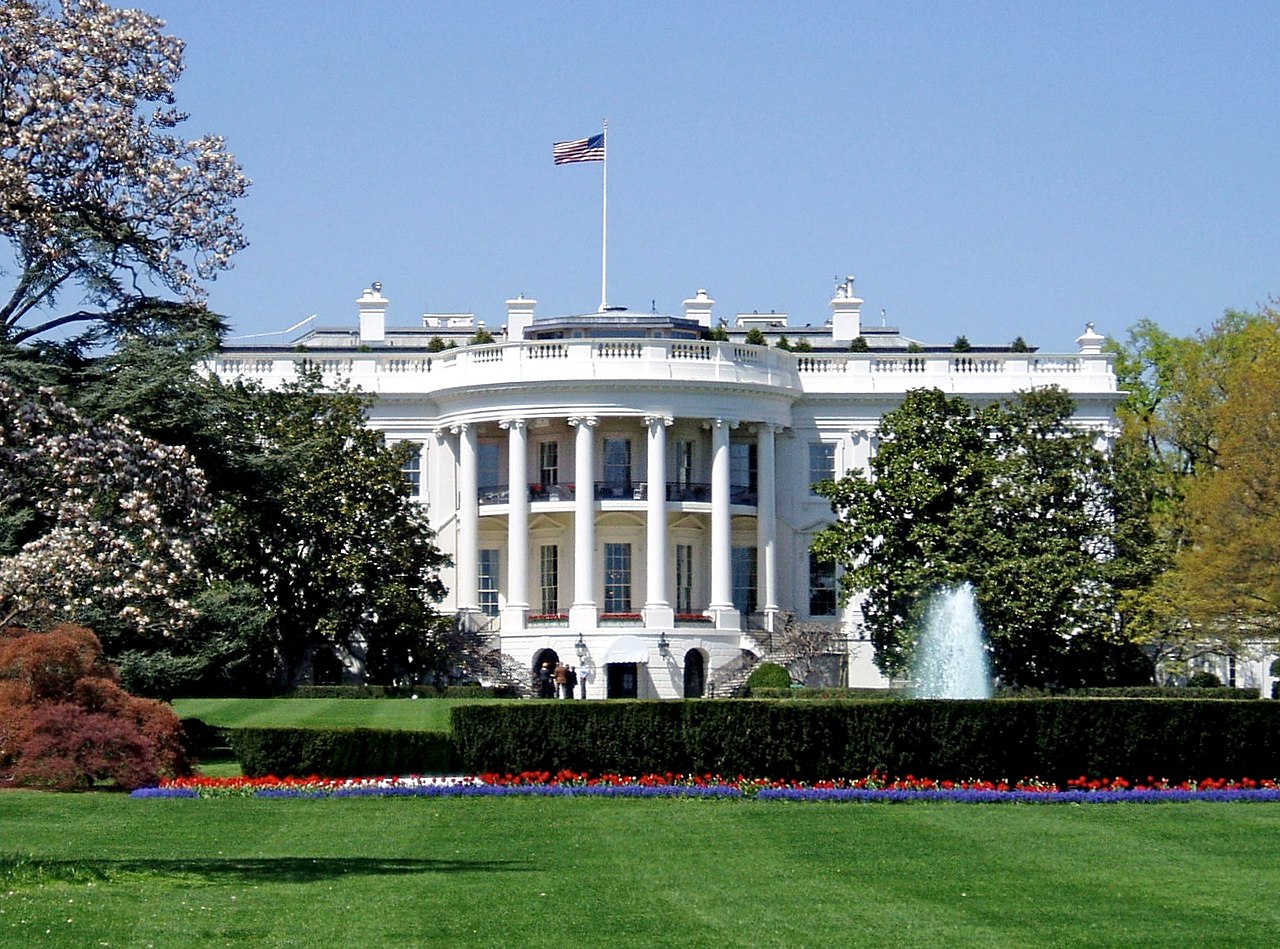
One frequent pattern uses a capital city to mean the national government based there; journalists and commentators often use the capital as shorthand. For example, the name Washington is commonly used to refer to the federal government of the United States. In reporting and commentary the mass media may write that "Washington decided" when they mean government officials or agencies. Similarly, district or neighborhood names often stand for whole industries: Wall Street commonly denotes the stock markets and financial sector, and by extension the broader U.S. economy. Place names, institutions, instruments and titles all serve as frequent sources for metonymic substitution.
- The crown — denotes monarchy or royal authority.
- The White House — often used for the U.S. presidential administration.
- Hollywood — used for the American film and entertainment industry.
- The bench — refers collectively to judges or the judiciary.
- The press — shorthand for journalists and news organizations.
- Downing Street — a metonym for the British executive leadership based there.
History and linguistic perspective
Metonymy has been recognized since classical rhetoric as an important stylistic device. Medieval and early modern grammarians discussed it alongside metaphor, irony and other tropes. In contemporary linguistics and cognitive science metonymy is treated as a cognitive operation that maps conceptual domains by association. Scholars emphasize that conventional metonymies become lexicalized: a place name or institution label acquires a stable, shared meaning that speakers understand without explanation.
Functions and effects
Metonymy performs several communicative functions: it economizes language by compressing a longer description into a familiar label; it locates action or responsibility in an institution or place; it can soften or sharpen attributions of blame; and it contributes stylistic color in literature and rhetoric. In political discourse, using a metonym can subtly shift perceived agency ("the administration says" vs. "officials say") and can influence how audiences attribute authority.
Distinction from related devices
Metonymy is often confused with synecdoche and with metaphor. Synecdoche is a specific type of substitution that uses a part to refer to the whole or vice versa (for example, "boots on the ground" for soldiers). Metaphor, by contrast, maps across domains by perceived similarity rather than by real-world association. Careful reading can usually reveal whether association (metonymy) or resemblance (metaphor) is at work.
Identification and usage tips
- Ask whether the substitute name is directly connected to the referent by location, institution, function, or production (place for government, instrument for user, maker for product).
- Check whether the expression is a conventional shorthand familiar in public discourse and the media.
- Consider context: metonymy often appears where brevity or rhetorical emphasis is desired, such as headlines, speeches, or advertising.
For examples and further background, consult entries on capital city usage in political reporting, studies of governmental rhetoric and institutional labels such as government. Useful comparative examples appear where industry districts or market centers serve as metonyms, as with financial language referring to Wall Street and related terms for specific industries. Additional practical guidance for writers and analysts is available in handbooks on rhetoric and style and in introductions to cognitive linguistics that explore how speakers map concepts by association.
Author
AlegsaOnline.com Metonymy: naming by association in language and rhetoric Leandro Alegsa
URL: https://en.alegsaonline.com/art/64222
Sources
- en.wiktionary.org : metonymy
- rhetoric.byu.edu : "Metonymy" at Rhetoric.byu.edu
- books.google.com : "Metonymy,"