
Metaphysical poets: English 17th‑century lyric innovators
Group of mainly 17th‑century English poets known for intellectual wit, elaborate conceits and abrupt shifts in tone; John Donne is central and T. S. Eliot helped revive their reputation.
Overview
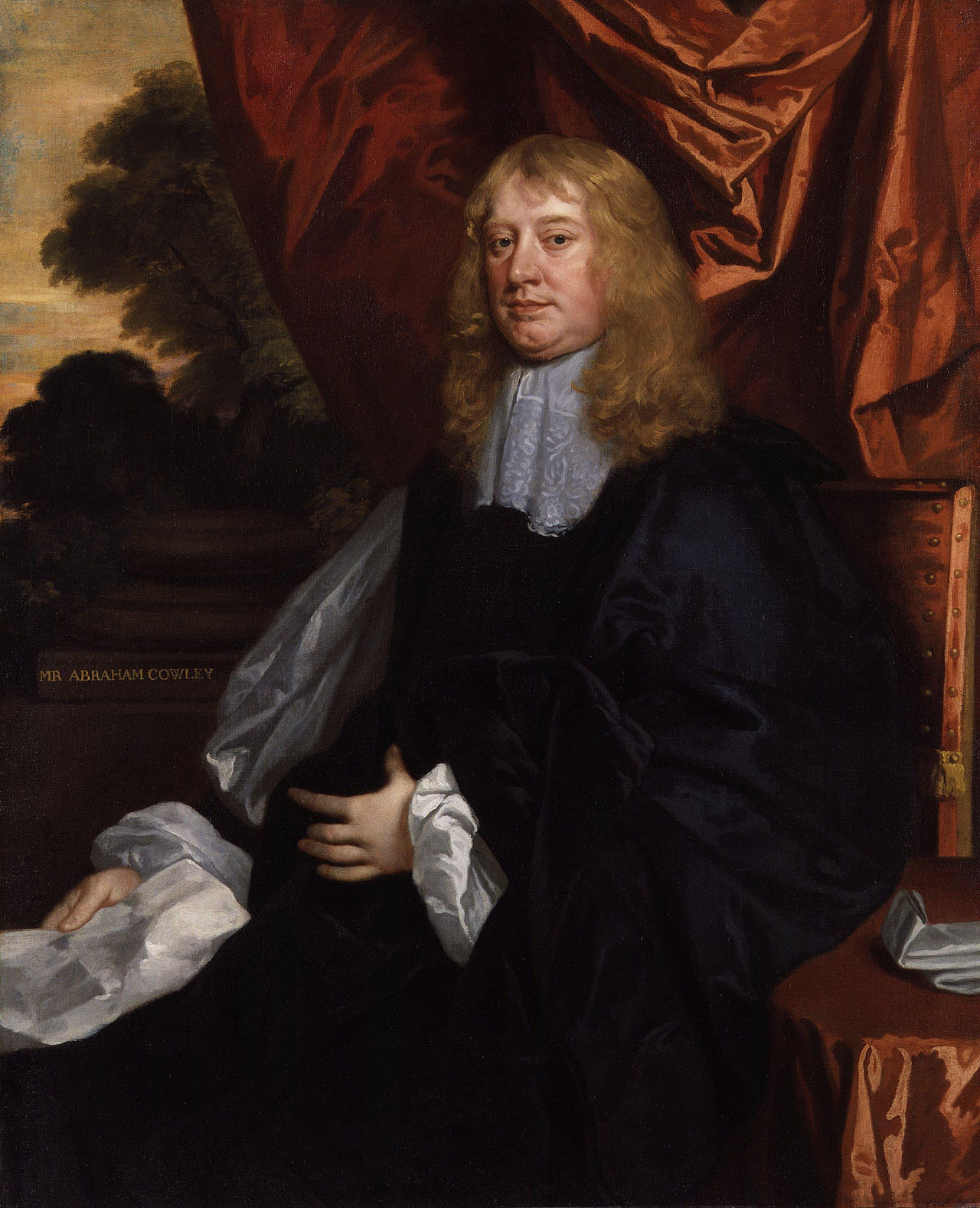
The term metaphysical poets refers to a loosely connected group of English poets whose work is often identified with the early to mid‑17th century. Rather than a rigid school, the label describes a set of stylistic tendencies: energetic argument, dramatic speech, and often startling analogies. The most famous member is John Donne, but the group also includes other significant writers whose work shaped English lyric poetry.
Image gallery
5 Images


Characteristics
Metaphysical verse tends to combine intellectual play with personal feeling. Critics and readers commonly note:
- Complex, extended metaphors—sometimes called conceits—where unrelated things are joined to illuminate an idea (long difficult metaphors being a hallmark).
- Sharp shifts of tone and sudden leaps of thought that create argumentative or sermonic progressions.
- A conversational or dramatic voice that often addresses a specific listener or reader.
- Attention to paradox, irony and subtle logical moves within lyric form.
History and reception
These poets wrote in a period of religious and political change, when Renaissance learning, devotional practice, and new scientific ideas all influenced poetic imagination. Over time critical opinion has moved: some 18th‑ and 19th‑century commentators found their style odd or excessive, while 20th‑century figures such as T. S. Eliot argued for their technical and spiritual seriousness, prompting renewed study and appreciation.
Notable figures and examples
Besides Donne, writers commonly discussed with this grouping include George Herbert, Andrew Marvell and Henry Vaughan. Their poems range from intimate love lyrics and devotional meditations to public satire and philosophical reflection. Readers encounter concentrated argument, witty comparison, and an insistence that intellect and feeling belong together.
Importance and distinctions
The label "metaphysical" is an invention of critics rather than a self‑identification by poets; it highlights shared techniques rather than an organized movement. Their influence persists in how modern poets and critics think about metaphor, voice, and the capacity of lyric to carry complex thought. Overall, the metaphysical poets occupy a distinctive place in English literature as innovators who stretched what a poem could argue or imagine.
For introductions and selections, search modern anthologies and reliable online resources to compare poems and critical interpretations; many contemporary editions and studies make the complex language and cultural background accessible to new readers. Further reading and digitized texts are available through general literary resources and academic collections (see overview, see context).
Related articles
Author
AlegsaOnline.com Metaphysical poets: English 17th‑century lyric innovators Leandro Alegsa
URL: https://en.alegsaonline.com/art/64176