
T. S. Eliot (Thomas Stearns Eliot): Modernist poet, playwright, and critic
American-born British poet, playwright and critic whose modernist works—notably 'The Waste Land' and 'Four Quartets'—deeply influenced 20th-century literature and literary criticism.
Overview
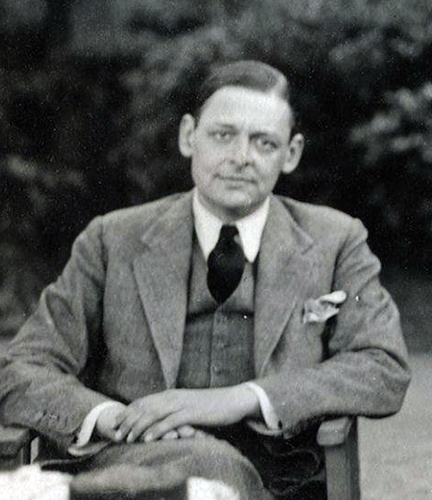
T. S. Eliot was an American-born poet who spent most of his adult life in Britain and became one of the central figures of literary modernism. He wrote poems, verse dramas and critical essays that challenged Victorian and romantic assumptions about poetry and culture. His work is known for dense allusion, shifts of voice, and exploration of spiritual and cultural crisis.
Image gallery
8 Images




Life and career
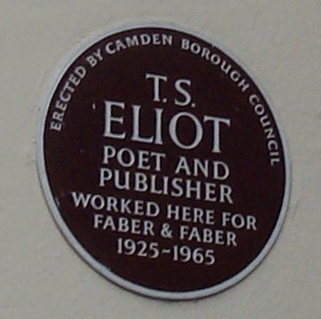
Born in the United States, Eliot studied literature and philosophy before relocating to London, where he combined editorial and publishing work with his writing. He held positions in banking and then at a major publishing house, which brought him into contact with contemporary writers and helped shape mid-20th-century literary life in Britain. He also received national honors and remained active in literary debates throughout his career.
Style and themes
Eliot's style blends fragmented forms, multiple literary voices and a wide range of cultural references—classical, religious and popular. Recurring themes include time and memory, the loss of spiritual coherence in modern life, the search for meaning, and the role of tradition in artistic creation. His essays argue for a rigorous, impersonal poetic craft while acknowledging the weight of literary inheritance.
Major works
- Early breakthrough poems that reconfigured contemporary verse.
- Landmark long poems such as "The Waste Land" and the later "Four Quartets" which intertwine personal reflection with historical and religious meditation.
- Verse dramas like "Murder in the Cathedral" and social plays that mix philosophical ideas with theatrical form.
- Influential criticism including essays on poetic tradition and technique.
Legacy and influence
Eliot's innovations reshaped expectations of poetic form and intellectual seriousness in literature. He influenced poets, critics and dramatists across several generations and remains widely studied for both his writings and his role as an editor and cultural arbiter. While his work reflects the tensions of his era, it continues to provoke discussion about language, belief and the responsibilities of the artist.
Author
AlegsaOnline.com T. S. Eliot (Thomas Stearns Eliot): Modernist poet, playwright, and critic Leandro Alegsa
URL: https://en.alegsaonline.com/art/146384