
Mesa, Arizona
Mesa is a major city in Maricopa County, Arizona, east of Phoenix. Founded in 1878, it combines desert geography, arts and education institutions, aerospace and manufacturing, and recreational attractions.
Mesa is a principal city in Maricopa County, located in the Salt River Valley of central Arizona. It forms a significant portion of the larger Phoenix–Mesa–Scottsdale metropolitan area and lies east of downtown Phoenix. Mesa grew from a small, irrigated agricultural settlement into a diversified suburban and urban center that blends residential neighborhoods, commercial districts, and open desert landscapes.
Image gallery
6 Images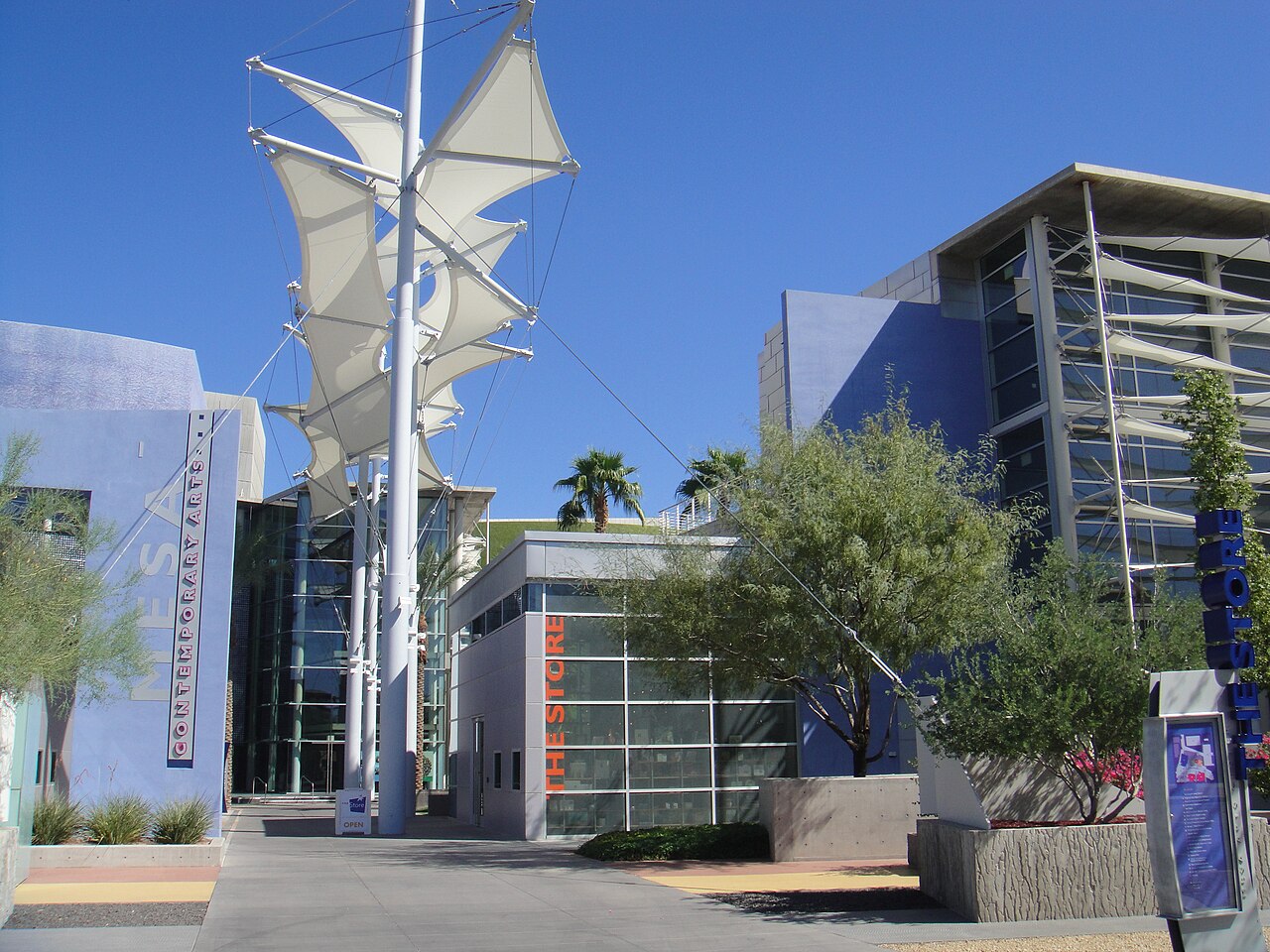



Geography and environment
Mesa occupies an arid zone of the Sonoran Desert, characterized by hot summers, mild winters, and sparse natural vegetation adapted to low rainfall. The city footprint stretches from the Salt River floodplain northward toward the lower slopes of the Mazatzal foothills, and it includes a mix of developed parkland, golf courses, and protected natural areas. Water management and irrigation have long shaped the city's layout and land use.
History and development
The community was first settled in January 1878 by groups affiliated with the Church of Jesus Christ of Latter-day Saints, who established farms and irrigation canals. Over the 20th century Mesa transitioned from primarily agricultural origins to a more suburban and industrial economy as population increased across the Phoenix region. Postwar growth, highway connections, and planned neighborhoods accelerated expansion; later decades brought institutions of higher education and light manufacturing.
Today Mesa is noted for a mix of older neighborhoods and newer subdivisions, municipal parks and recreational trails, and pockets of preserved desert terrain that offer outdoor opportunities close to an urban setting.
Economy, education and institutions
The local economy combines education, healthcare, retail, aerospace, and light manufacturing. Mesa hosts campuses and facilities that serve the East Valley, including community colleges and a regional campus of a major state university, which support workforce training and research. Aerospace and defense contractors, medical centers, and a diverse small-business sector provide employment across the city.
Key cultural and civic institutions help define Mesa's public life. Examples include the city arts center, museums focused on regional history and science, and performing-arts venues. These institutions stage exhibitions, concerts and community programs that attract both residents and visitors.
Attractions and recreation
- Urban cultural sites and performing arts venues
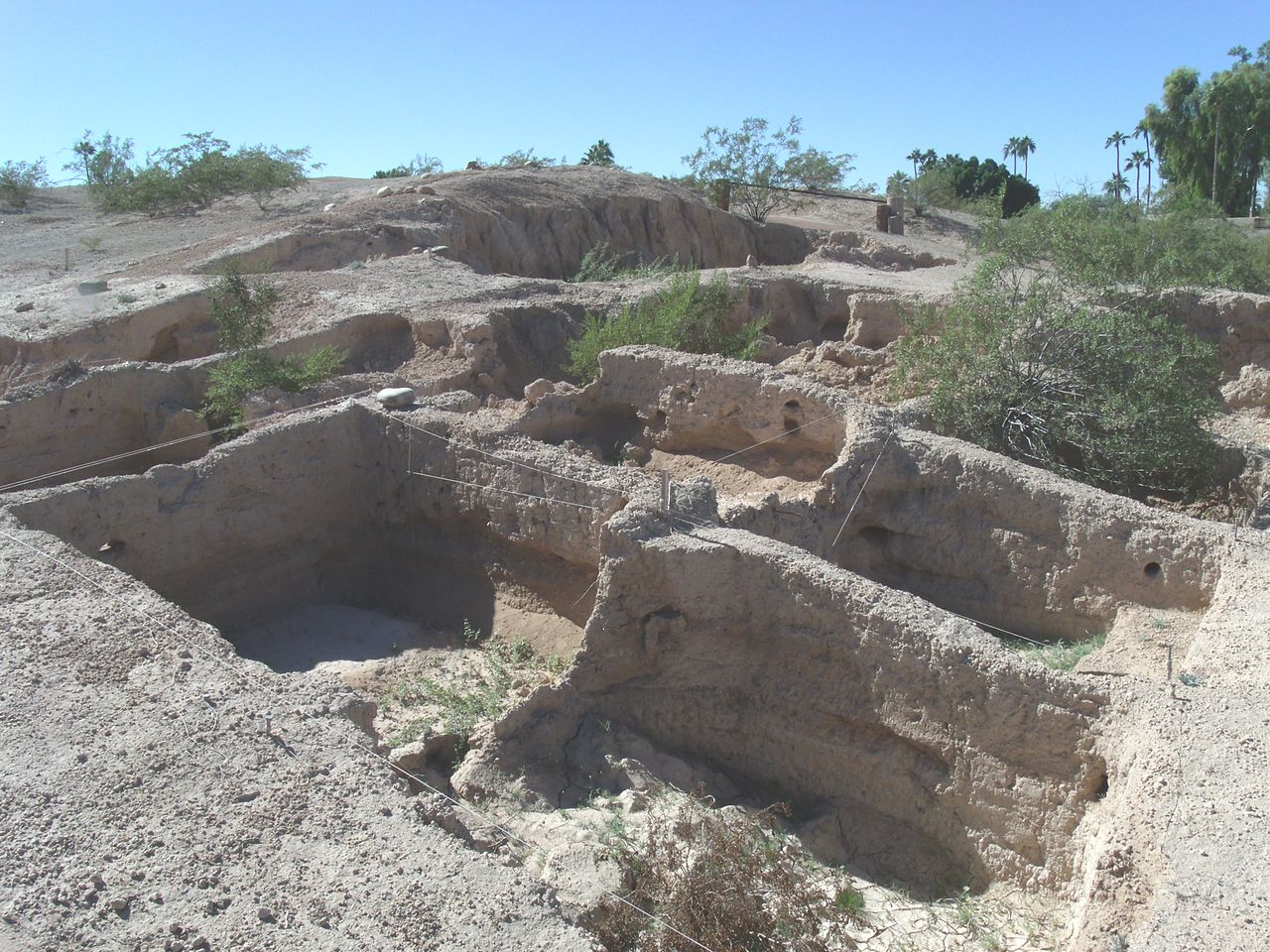
- Regional museums and historical attractions
- Desert parks, hiking trails and nearby mountain preserves
- Golf courses, community parks and riverfront greenways
Mesa functions as an important suburban hub within the broader Phoenix metropolitan area: it provides housing and amenities for commuters, maintains a distinct local economy, and preserves elements of its pioneer and agricultural heritage while continuing to evolve as a center for education, arts and outdoor recreation.
Related articles
Author
AlegsaOnline.com Mesa, Arizona Leandro Alegsa
URL: https://en.alegsaonline.com/art/64053
Sources
- factfinder2.census.gov : "American FactFinder"
- census.gov : "Population Estimates"
- zipcodedownload.com : Zip Code Lookup