
Mersin Province
Coastal province in southern Turkey on the Mediterranean Sea, centered on the port city of Mersin; noted for agriculture, shipping, ancient sites such as Tarsus, and a Mediterranean climate.
Overview
Mersin Province occupies a long stretch of Turkey's southern Mediterranean coast between Antalya and Adana. The province is centered on the city and port of Mersin, an important maritime and commercial hub. The coastal plain gives way northward to the foothills of the Taurus Mountains, producing a mix of seaside towns, fertile agricultural land and upland villages. The region has a typical Mediterranean climate with hot, dry summers and mild, wetter winters. For basic administrative and visitor information see the official provincial pages.
Image gallery
10 Images


Geography and environment
The province includes coastal plains, river valleys and karstic terrain inland. Irrigated lowlands support intensive farming while higher slopes preserve patches of maquis and pine woodland. Major rivers and smaller streams flow from the Taurus into the Mediterranean, shaping fertile deltas and alluvial plains. Regional resources and maps are available from regional guides.
History and heritage
Human settlement in the area dates back to prehistoric times and the province contains numerous archaeological sites from the classical, Roman and medieval periods. Tarsus is one of the best known ancient towns, long mentioned in historical sources and associated with multiple layers of occupation. Coastal ruins, defensive towers and old caravan routes attest to the province's role as a crossroads between Anatolia and the eastern Mediterranean. For historical summaries consult historical references.
Economy and culture
The economy is diverse: maritime trade and an active port, agriculture (notably citrus and greenhouse-grown vegetables), food processing and light industry. Cultural life mixes urban festivals, rural traditions and culinary offerings that emphasize local seafood and produce. Trade and tourism information can be found via tourist and trade pages.
Tourism and notable sites
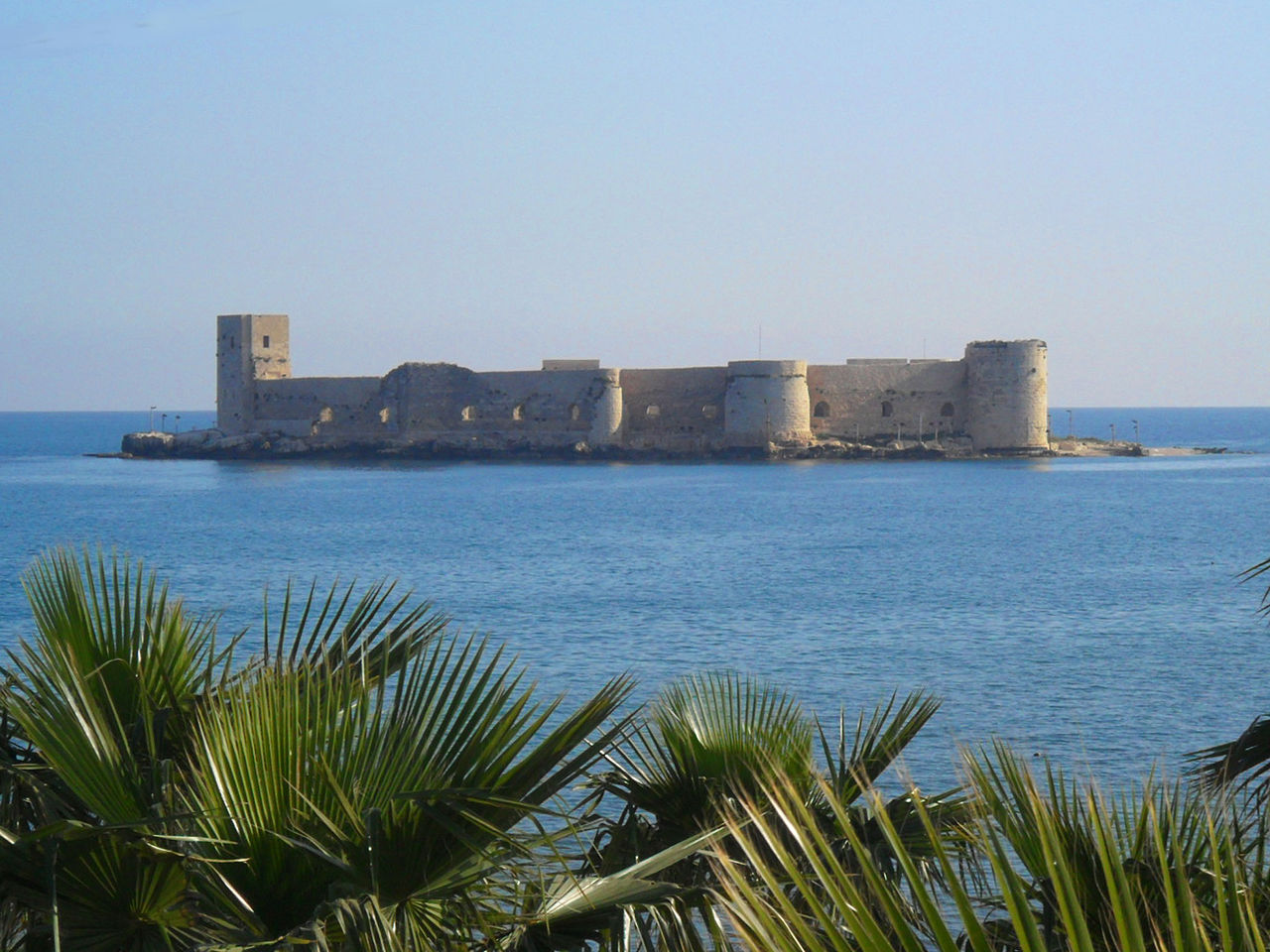
Tourist attractions range from beaches and promenades to archaeological tells, ancient city remains and medieval castles along the coast. Natural features such as coastal cliffs, bays and inland karst formations draw visitors as well. The province links interior Anatolia to maritime routes and remains important for commerce, agriculture and cultural tourism in southern Turkey.
Related articles
Author
AlegsaOnline.com Mersin Province Leandro Alegsa
URL: https://en.alegsaonline.com/art/64031