
Messolonghi: Greek lagoon city and symbol of the War of Independence
Messolonghi is a lagoon city in western Greece, capital of Aetolia-Acarnania, known for its wetlands, fishing and rice cultivation and for the famed sieges of the Greek War of Independence.
Messolonghi (also transliterated Missolonghi) is a town in western Greece that serves as the administrative center of Aetolia-Acarnania. Built beside an extensive lagoon and salt-marsh system, the settlement has long relied on fishing, reed harvesting and agriculture adapted to its low-lying, brackish environment. Its population is commonly reported at around 14,000 inhabitants.
Image gallery
10 Images




Geography and environment
Messolonghi occupies a landscape of shallow lagoons, river deltas and islands that connect inland waterways to the Ionian Sea. The coastal wetlands support a mix of traditional economic activities — including fisheries, oyster and eel production, and rice paddies — and they are important for migratory birds. The town’s layout and infrastructure reflect its watery setting: canals, embankments and ports are part of everyday life.
History and the Greek War of Independence
The town is best known internationally for its role in the Greek War of Independence (early 19th century). Messolonghi endured a series of sieges by Ottoman forces; the most famous is the long blockade that culminated in the dramatic sortie and mass exodus of the defenders and civilians in 1826, an episode commemorated across Greece as an act of heroic resistance. Messolonghi’s wartime story drew philhellenes from Europe and inspired artists and writers.
One prominent foreign supporter was the British poet Lord Byron, who travelled to Greece to support the independence movement and died while staying in Messolonghi in 1824. For details on the broader conflict see the Greek War of Independence.
Cultural significance and memorials
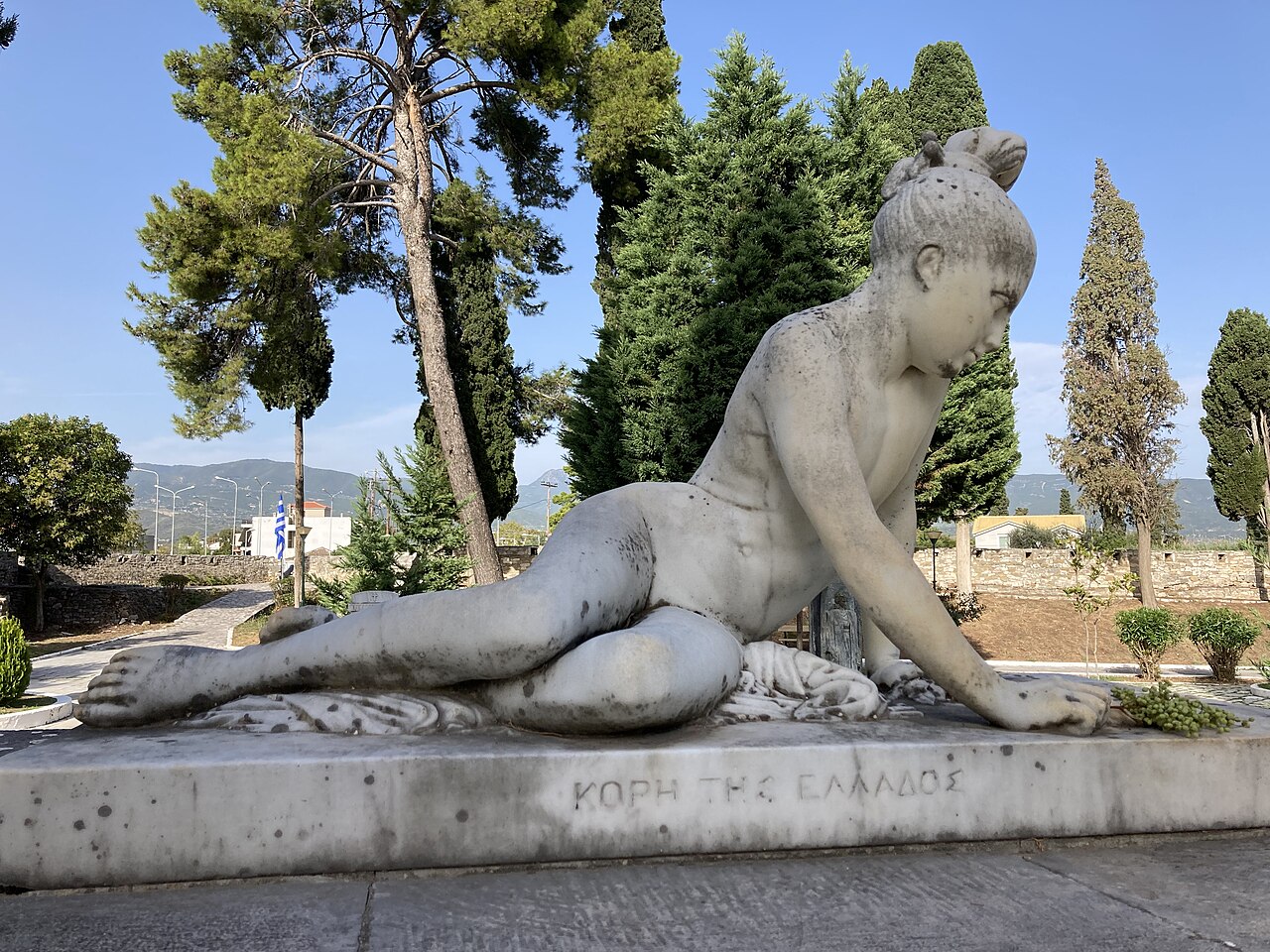
Messolonghi preserves a strong commemorative tradition: monuments, museums and annual ceremonies mark the sieges and the lives lost during the struggle for independence. The town attracts visitors interested in modern Greek history and in the memory of European philhellenism; references to Byron and other supporters are visible in local museums and public spaces. More local information can be found via the city’s web resources.
Economy, tourism and modern life
Today Messolonghi combines heritage tourism with continuing traditional industries. Birdwatchers, cultural tourists and visitors to the lagoon’s natural areas form part of the local economy, which also includes small-scale manufacturing, services and agriculture. The town functions as a regional hub for administration and commerce in Aetolia-Acarnania.
Notable facts
- The fatal illness and death of Lord Byron in Messolonghi in 1824 attracted international attention; his memory is associated with the town’s history and philhellenic legacy — see materials on Byron.
- The 1826 exodus from Messolonghi became a powerful national symbol for Greece and influenced European public opinion during the independence period.
- The lagoon system around the town is ecologically significant and supports traditional fisheries and rice cultivation that shape the local landscape and cuisine.
Visitors to Messolonghi encounter a mix of natural scenery and historical sites: marshes and reed beds beside monuments, museums and civic spaces that recall the town’s key role in modern Greek history.
Questions and answers
Q: Where is Messolonghi located?
A: Messolonghi is located in Greece.
Q: What is Messolonghi the capital of?
A: Messolonghi is the capital of the Aitoloakarnania prefecture.
Q: What is the population of Messolonghi?
A: The population of Messolonghi is 14,209 inhabitants.
Q: Why is Messolonghi known?
A: Messolonghi is known because of the Greek War of Independence.
Q: What happened during the siege of Messolonghi?
A: During the siege of Messolonghi, the residents fought with the Turks and the majority of them were killed there.
Q: Who died during the siege of Messolonghi?
A: Lord Byron died during the siege of Messolonghi in 1824.
Q: What is the geography of Messolonghi like?
A: Messolonghi is built on the bank of a lagoon.
Related articles
Author
AlegsaOnline.com Messolonghi: Greek lagoon city and symbol of the War of Independence Leandro Alegsa
URL: https://en.alegsaonline.com/art/64134