
Mercury (automobile): Ford's former mid‑range marque
Mercury was an automobile brand created by Ford in 1938 to fill a mid‑range market niche. It produced sedans, coupes and SUVs before being phased out in 2011 as Ford consolidated its brands.

Mercury was an automobile marque established by Ford in 1938 to occupy the middle ground between its mainstream Ford models and the luxury Lincoln line. Over several decades Mercury offered a mix of family cars, personal coupes and utility vehicles aimed at buyers seeking a step up in refinement without fully entering the luxury segment.
Image gallery
10 Images


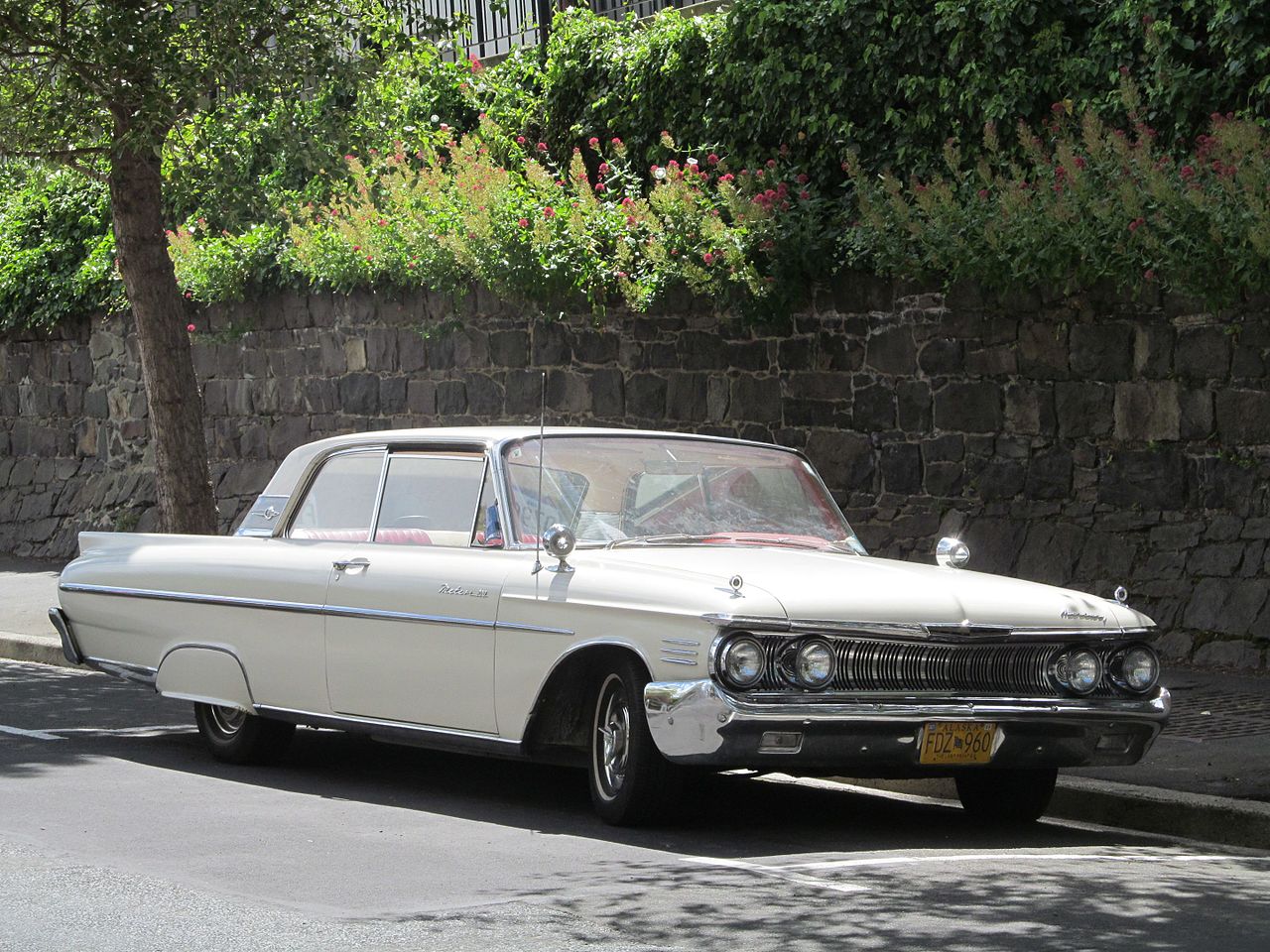


Origins and positioning
The brand was created under the direction of Edsel Ford and became known for combining comfortable appointments with broadly accessible pricing. Its name comes from the Roman god Mercury, often used in marketing to suggest speed, agility and a sense of motion. For much of its life Mercury operated as part of the Lincoln‑Mercury division of the Ford Motor Company.
History and development
Mercury evolved through many industry shifts: from postwar sedans and wood‑trimmed wagons to the compact and mid‑size front‑wheel‑drive cars and later sport‑utility vehicles that defined the late 20th and early 21st centuries. Platform and component sharing with Ford helped keep costs down while allowing Mercurys to be tuned with different styling, trim and feature sets. Facing overlapping product lines and declining distinctiveness, Ford announced a wind‑down of the Mercury brand that culminated in its phase-out around 2010–2011.
Notable models
- Grand Marquis — a full‑size, comfortable sedan associated with traditional, body‑on‑frame construction.
- Sable — a mid‑size family car often paired with the Ford Taurus as its counterpart.
- Milan — a mid‑size sedan that shared underpinnings with contemporary Ford offerings.
- Mountaineer — a sport‑utility vehicle built to compete in the growing SUV market.
- Cougar, Comet, Monterey — examples of Mercury models that reflected changing tastes in styling and performance across decades.
Characteristics and market role
Mercury cars typically emphasized comfort, smoother ride tuning and distinct exterior and interior styling to set them apart from their Ford relatives. The brand relied heavily on parts sharing but differentiated through trim levels, chrome and grille designs, and interior materials. This approach made Mercury a recognizable mid‑range option for buyers who wanted more presence than a base Ford without moving to Lincoln.
Legacy and notable facts
Although the Mercury nameplate no longer appears on new cars, several models remain of interest to collectors and enthusiasts. The brand played a significant role in Ford's lineup for over seven decades and influenced badge‑engineering practices in the U.S. auto industry. Its Mercurial name and marketing imagery are often cited when discussing how automakers position sub‑brands between volume and luxury divisions.
For historical context and corporate details, see materials published by the automaker and archived industry sources on the brand's development.
Related articles
Author
AlegsaOnline.com Mercury (automobile): Ford's former mid‑range marque Leandro Alegsa
URL: https://en.alegsaonline.com/art/63912