
Artillery of Japan
History and development of Japanese artillery from medieval gunpowder weapons to modern coastal and Self-Defense Forces systems, covering types, tactics, and major periods of change.
Overview
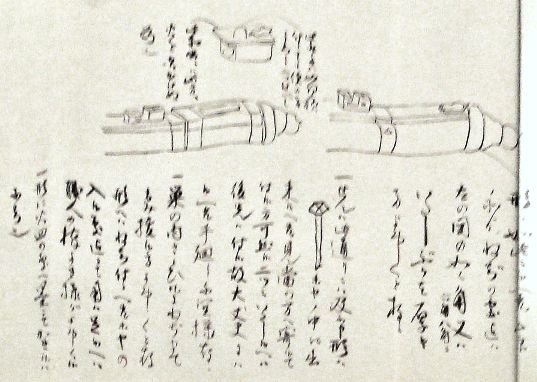
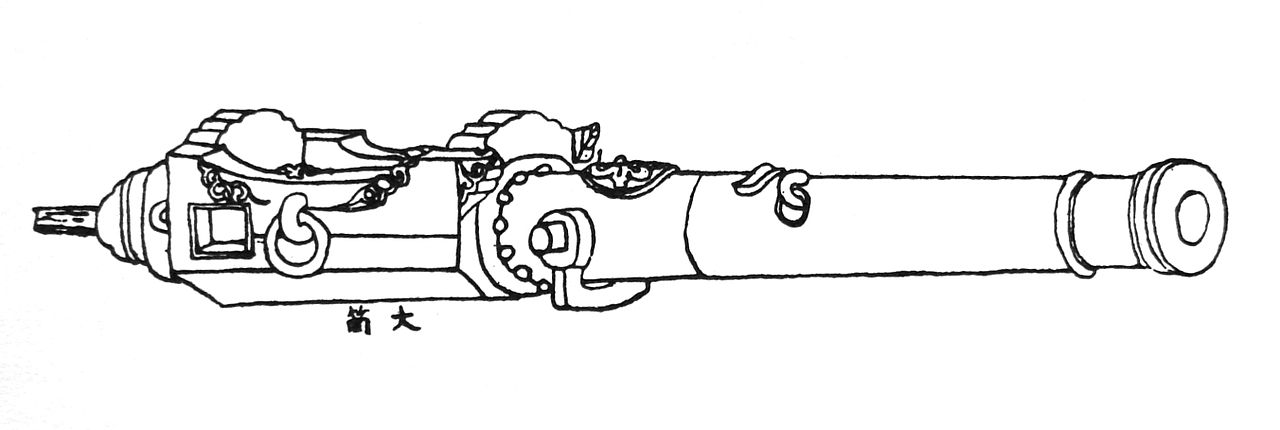
Artillery in Japan encompasses a range of gunpowder weapons from early hand cannons and matchlocks to modern coastal and field systems. Records of gunpowder weapons appear in medieval sources, but artillery became strategically important only during the upheavals of the 16th century. For a starting reference, see sources on early use.
Image gallery
10 Images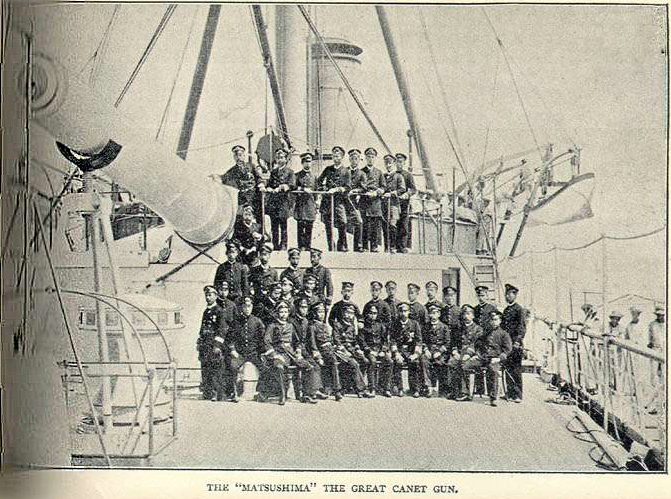




Types and roles
Japanese artillery has included several broad categories, each shaped by technology and battlefield needs:
- Field guns — mobile pieces for direct support of infantry.
- Siege and fortress guns — heavier ordnance used in attacks on or defense of fortifications.
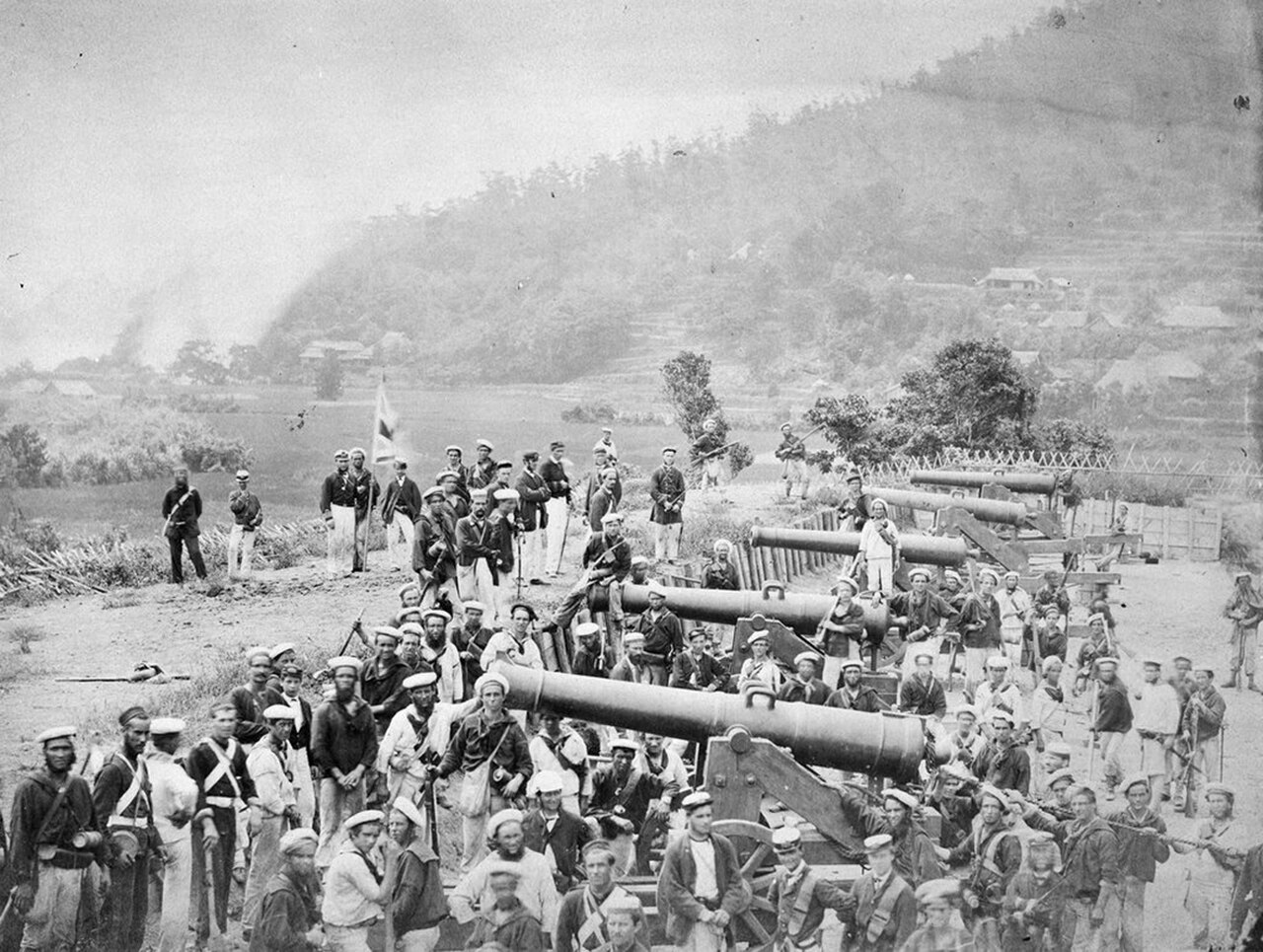
- Coastal artillery — emplaced batteries protecting harbors and approaches.
- Naval guns — ship-mounted heavy guns central to maritime power.
- Mortars and rocket systems — for high-angle and bombardment roles.
Historical development
Gunpowder weapons are attested in Japan from the 13th century, but adoption remained limited until the 1500s. The arrival of Portuguese traders and firearms technology in the mid-16th century introduced matchlock arquebuses and improved cannon designs. During the Sengoku period (Warring States era), commanders integrated firearms and artillery into siegecraft and field tactics; rotating volley fire and concentrated fire at battles such as Nagashino highlighted the changing face of warfare.
Under the Tokugawa shogunate, prolonged peace brought restrictions and decline in large-scale arms development, though castles and coasts retained defensive guns. The Meiji Restoration initiated rapid modernization: Japan imported and produced Western-style rifled, breechloading artillery and reorganized its armies. These modern systems featured in late 19th- and early 20th-century conflicts and in the island and naval campaigns of the 20th century, where coastal batteries and shipborne guns played central roles.
Modern era and distinctions
After World War II, Japan's pacifist constitution limited offensive weapon development. Over time the Japan Self-Defense Forces established artillery units focused on defensive roles, coastal protection, and support fires, integrating rockets and modern fire-control systems while remaining distinct from prewar expeditionary doctrine.
Notable aspects of Japanese artillery history include the late but rapid adoption of firearms, the transition from medieval siege pieces to industrial-era ordnance, and the continuing emphasis on coastal and defensive applications shaped by geography and policy.
Tags
Related articles
Author
AlegsaOnline.com Artillery of Japan Leandro Alegsa
URL: https://en.alegsaonline.com/art/6365