
Megalomania: definition, traits, history and clinical context
An overview of megalomania: its meaning, characteristic signs, historical usage, and how modern psychiatry treats related symptoms and diagnoses.
Overview
Megalomania is a historical term used to describe an exaggerated sense of one's own importance, power or identity. In common language it often refers to grandiose fantasies or extreme self-aggrandizement. Clinically, the label is considered obsolete: modern diagnostic systems do not list "megalomania" as a formal disorder, and professionals tend to describe the same cluster of signs using terms such as grandiose delusions or narcissistic personality disorder. For background reading see further reference.
Image gallery
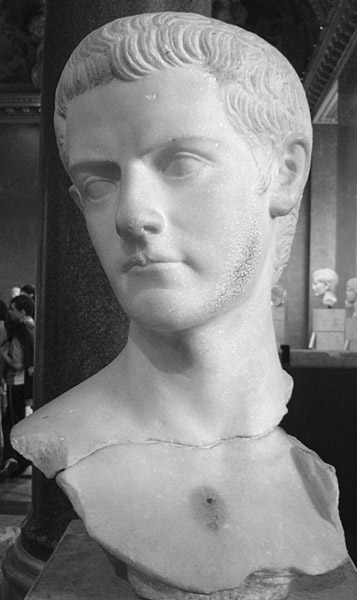
2 Images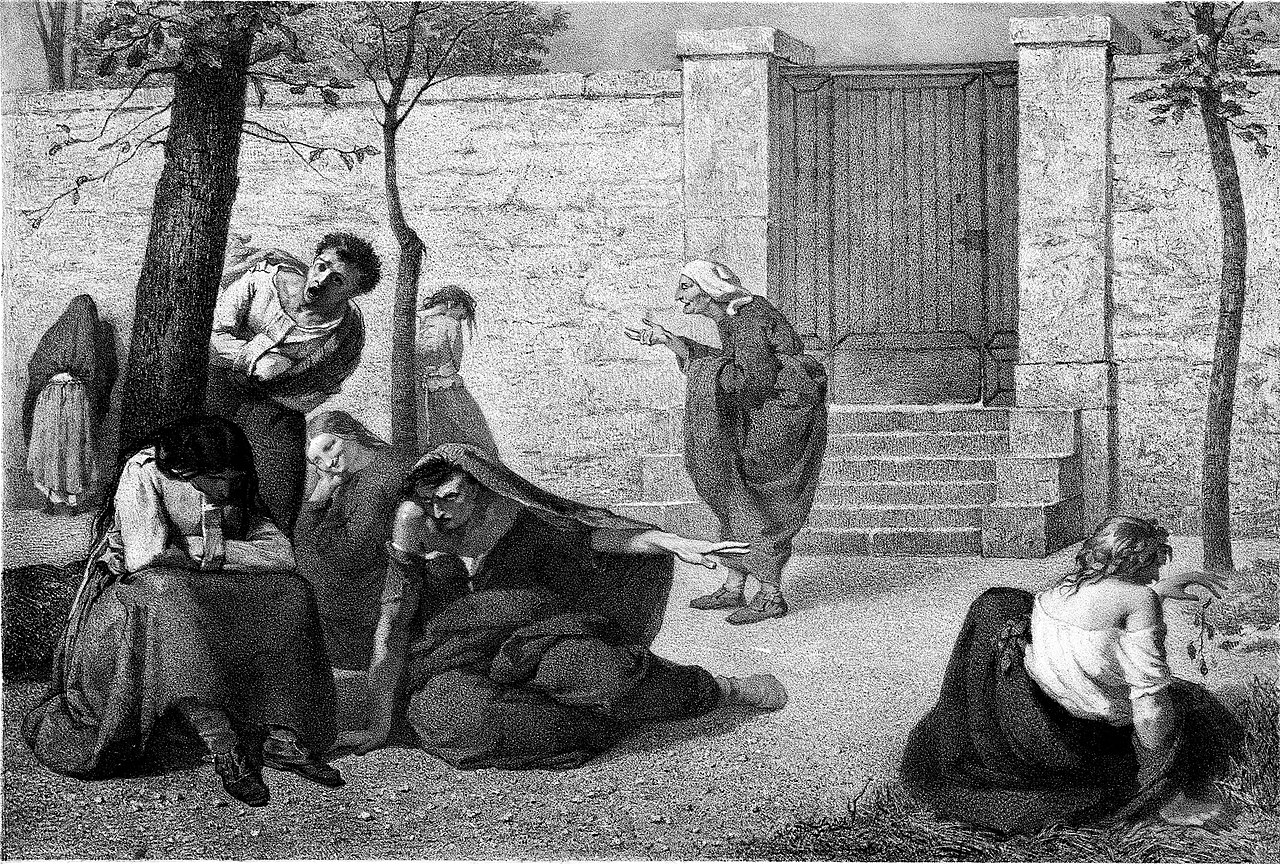
Core characteristics
People described as megalomaniacal typically display an enduring pattern of beliefs and behaviors that emphasize superiority and entitlement. These traits can occur along a spectrum from exaggerated self-confidence to full delusional conviction of extraordinary power or status. Common features include:
- Grandiosity: inflated self-view beyond realistic appraisal.
- Delusions of power: firm beliefs in possessing special abilities, authority, or influence.
- Lack of empathy: diminished concern for others' feelings or perspectives.
- Need for admiration: seeking validation, praise, or adulation.
- Impaired insight: inability to recognise the mismatch between self-perception and reality.
These signs can be transient or persistent and may vary in severity. For concise definitions and clinical descriptions, consult sources such as clinical summaries and diagnostic overviews at professional guides.
History and terminology
The term originates from Greek roots meaning "great" (megalo-) and "madness" (mania). Historically, psychiatrists and writers used it to characterize rulers, criminals, or patients with marked arrogance or grandiosity. Over time the field moved toward more specific concepts and standardized criteria: the Diagnostic and Statistical Manual of Mental Disorders (DSM) and the International Classification of Diseases (ICD) do not include "megalomania" as an official diagnosis. Contemporary texts discuss its evolution and usage in historical context; see historical notes at etymology source and diagnostic history at DSM-related review.
Clinical associations and causes
Rather than a standalone disorder, megalomania-style symptoms can appear as parts of other conditions. Examples include:
- Personality disorders, particularly narcissistic personality disorder, which shares persistent grandiosity and entitlement.
- Mood disorders, particularly manic episodes in bipolar disorder, where elevated mood and inflated self-esteem may reach delusional levels.
- Psychotic disorders such as schizophrenia, where grandiose delusions are among possible psychotic symptoms.
- Substance- or medically induced states that temporarily alter cognition and belief.
Assessment and management depend on the underlying cause. Mental health professionals use structured interviews and clinical criteria rather than the loose label; review clinical pathways at classification resources and treatment considerations at clinical guidance.
Cultural use and notable distinctions
In literature, journalism and everyday speech, "megalomania" remains a vivid descriptor for extreme ambition or authoritarian tendencies and is often applied metaphorically to leaders, fictional villains, and organisations. This colloquial use can blur clinical meaning. It is important to distinguish confident leadership or ambition from pathological grandiosity: the former is reality-based and adaptable, while the latter involves rigid, disproportionate beliefs that impair relationships or functioning. For a discussion of distinctions between popular and clinical usage, see analytic commentary.
In summary, megalomania is a historic and popular label for grandiosity and delusional self-importance. Modern psychiatry prefers more precise diagnostic terms and focuses on identifying the underlying psychiatric condition and appropriate interventions.
Related articles
Author
AlegsaOnline.com Megalomania: definition, traits, history and clinical context Leandro Alegsa
URL: https://en.alegsaonline.com/art/63509