
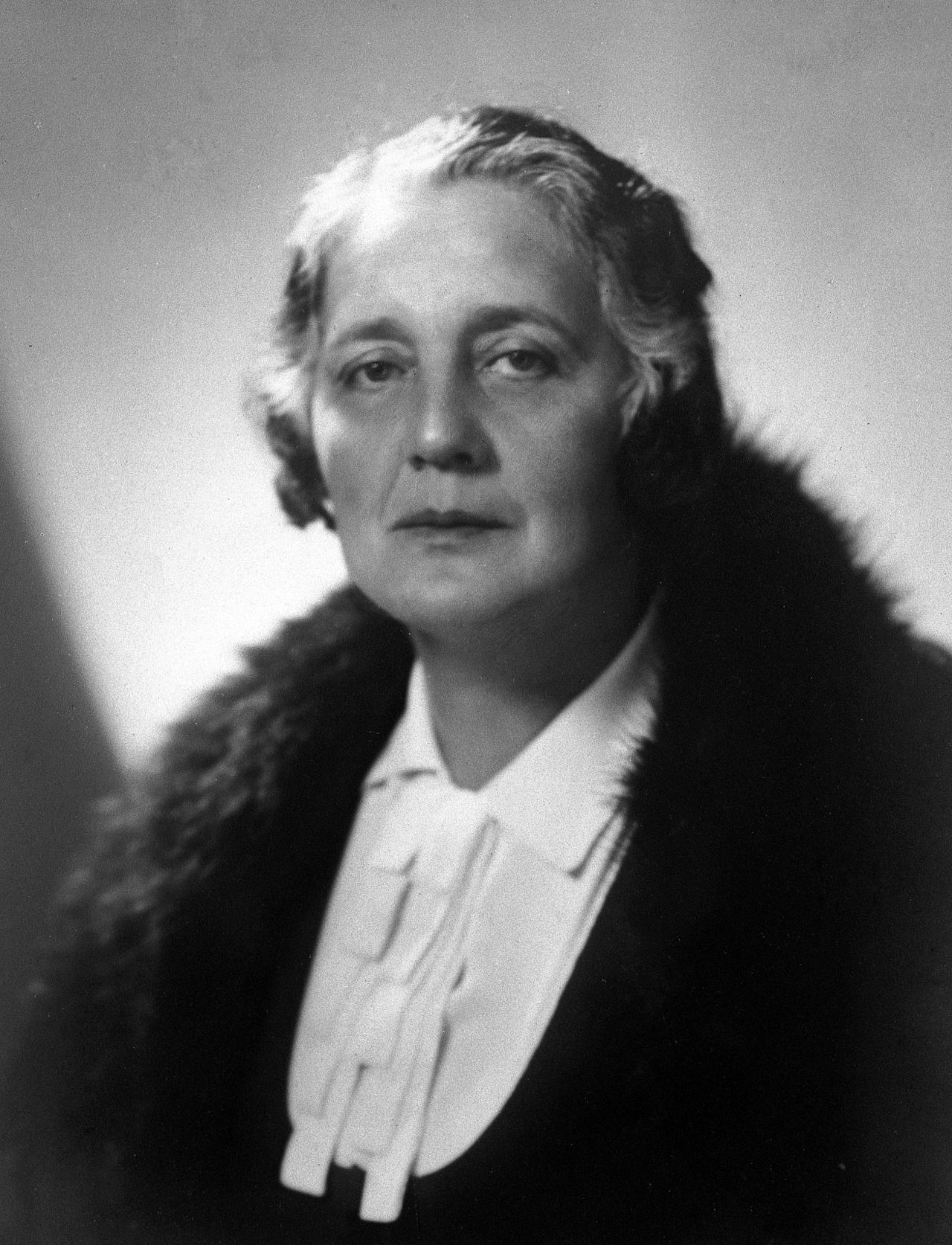
Melanie Klein (1882–1960)
Austrian-British psychoanalyst who pioneered child analysis and object relations theory, introducing concepts such as the paranoid–schizoid and depressive positions and projective identification.
Melanie Klein was an Austrian-born psychoanalyst who became one of the most influential figures in British psychoanalysis. She is best known for founding a strand of object relations theory and for developing clinical techniques to work directly with young children. Klein's thinking reshaped ideas about early mental life, unconscious phantasy, and the internal world of relationships.
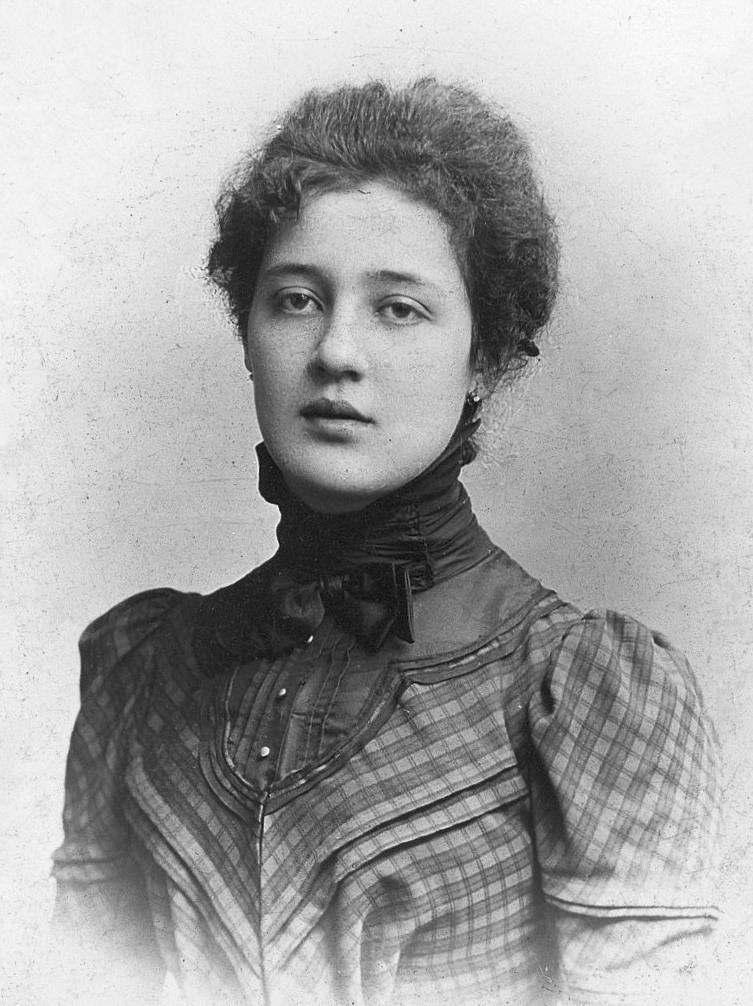
Early life and career: Born in 1882 in what is now Central Europe, Klein began her interest in psychoanalysis as a young mother and later trained in psychoanalytic methods. She moved to Britain and established a practice and a circle of followers. Over time her clinical observations of children and adults led her to propose theoretical revisions that differed from those of Sigmund Freud and Anna Freud.
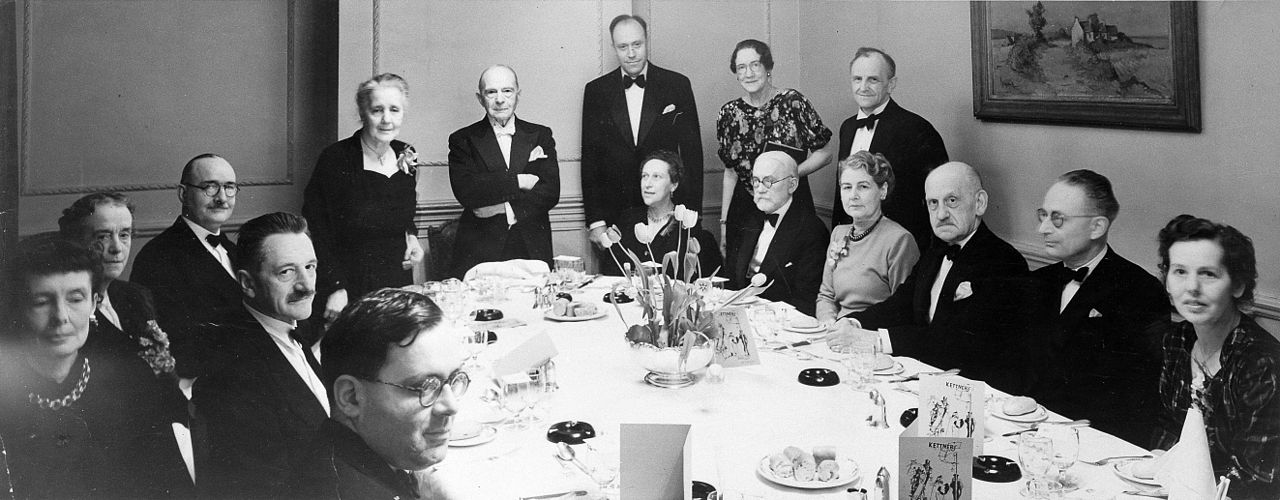
Image gallery
6 Images


Key concepts
- Object relations: Klein emphasized internalized relationships with significant others (objects) as central to personality and experience rather than focusing only on drives.
- Paranoid–schizoid and depressive positions: Two developmental configurations describing how infants experience splitting, anxiety, guilt, and attempts at repair.
- Projective identification: A mechanism by which unwanted parts of the self are projected into another person and then experienced as induced in that person.
- Play technique: Klein interpreted children's play as symbolic communication revealing unconscious phantasies, allowing analytic work with preverbal patients.
Clinical approach and uses: Klein's play-based method made child psychoanalysis a more systematic clinical practice. Therapists using her ideas pay close attention to symbolism, affects, and the relational dynamics enacted in sessions. Her formulations also informed psychotherapy with adults, particularly in understanding transference and early object relations as shaping later patterns.
Controversy and influence: Klein's proposals provoked heated debate within the psychoanalytic community, particularly during mid-20th-century disputes in Britain. Those debates helped define schools of thought—Kleinians, Anna Freudians, and later independents. Despite controversy, Klein's ideas influenced later developments, including attachment theory and contemporary relational approaches.
Legacy: Melanie Klein remains a central figure in psychoanalytic theory. Her concepts continue to be taught and debated in training institutes worldwide, and her emphasis on early mental life and the inner world of relationships has left a lasting mark on psychotherapy, developmental psychology, and cultural interpretation of infantile experience.
Related articles
Author
AlegsaOnline.com Melanie Klein (1882–1960) Leandro Alegsa
URL: https://en.alegsaonline.com/art/63621