
Medel (Lucmagn)
Medel (Romansh: Lucmagn) is an alpine municipality in the Surselva district of Graubünden, Switzerland, known for the Val Medel valley, Lukmanier Pass and the Lai da Sontga Maria reservoir.
Medel (Lucmagn) is an alpine municipality in the district Surselva of the canton Graubünden in Switzerland. The Romansh name Lucmagn is commonly used alongside the German form Medel. The municipality occupies the Val Medel (Medel valley), a steep, high Alpine valley that opens toward the Vorderrhein (Anterior Rhine) basin.
Image gallery
6 Images
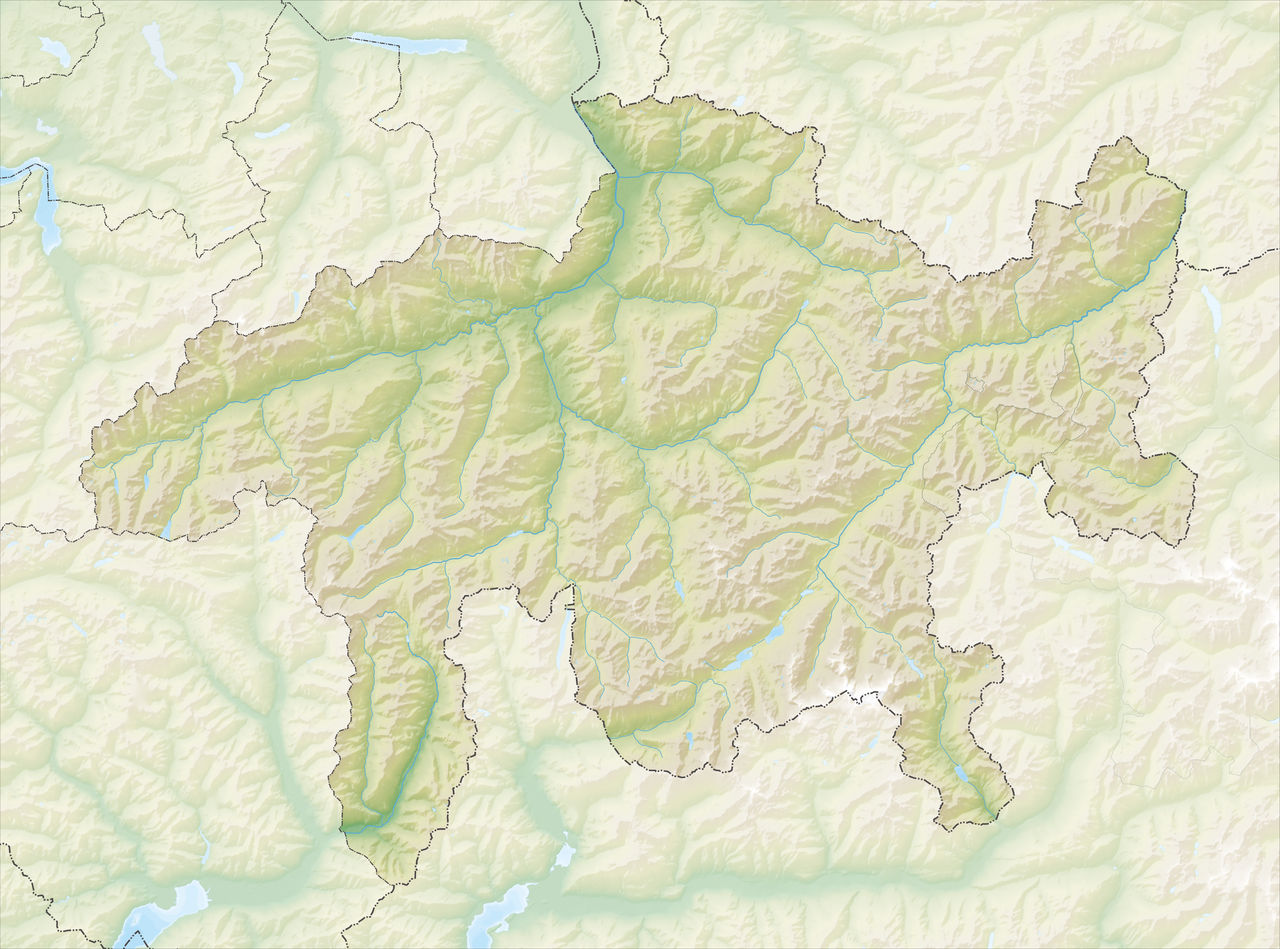


Geography and landscape
Medel lies predominantly above the valley floor and includes several villages and scattered hamlets; the village of Curaglia serves as a local centre. The territory extends up to mountain passes and alpine pastures, and it includes the Lukmanier (Lucomagno) road over the Lukmanier Pass, which links the Surselva with the canton of Ticino. Near the pass is the Lai da Sontga Maria, a reservoir and scenic lake used for water storage and recreation.
History and culture
The area has been settled since alpine pastoralism developed in the high valleys of Graubünden. Romansh has been the traditional language of many inhabitants, and local customs reflect a mix of mountain farming, forestry and transalpine traffic. Over time the valley adapted to seasonal tourism, small-scale agriculture and modern infrastructure such as hydroelectric works associated with high-altitude reservoirs.
Economy, transport and recreation
Economic activity in Medel is typical of remote Alpine municipalities: agriculture (especially summer grazing), forestry, local services and tourism. The Lukmanier road provides the principal vehicular access; because it crosses a high pass, weather and snow can affect travel in winter. The valley attracts hikers, mountaineers and visitors seeking mountain scenery, quiet villages and traditional Romansh culture.
Key features
- Main settlement and administrative centre: Curaglia and surrounding hamlets.
- Val Medel: a narrow, alpine valley with pastures and high peaks.
- Lukmanier Pass road and the Lai da Sontga Maria reservoir.
- Traditional Romansh language and mountain cultural practices.
Medel is representative of Graubünden's smaller mountain municipalities: geographically remote, culturally distinct, and oriented toward sustainable use of alpine resources and low-impact tourism. For administrative details, local events or visitor information consult the municipal and cantonal resources.
Related articles
Author
AlegsaOnline.com Medel (Lucmagn) Leandro Alegsa
URL: https://en.alegsaonline.com/art/63378
Sources
- bfs.admin.ch : "Arealstatistik Standard - Gemeinden nach 4 Hauptbereichen"
- bfs.admin.ch : "Ständige Wohnbevölkerung nach Staatsangehörigkeitskategorie Geschlecht und Gemeinde; Provisorische Jahresergebnisse; 2018"