
Maxinquaye — Tricky's debut album (1995)
Maxinquaye is Tricky's 1995 debut album. A landmark of the Bristol scene, it blends hip hop, dub, soul and electronica with intimate vocals and shadowy production; Martina Topley-Bird features throughout.
Maxinquaye is the debut studio album by English artist Tricky, released in 1995. Emerging from the Bristol scene, the record expanded on the downtempo, beat-driven frameworks associated with fellow Bristolians such as Massive Attack. Its sound mixes fractured hip-hop rhythms, deep dub textures and smoky soul-inflected singing with elements of rock and electronica to create an intimate, cinematic atmosphere often associated with the term ‘‘trip hop.’’
Image gallery
5 Images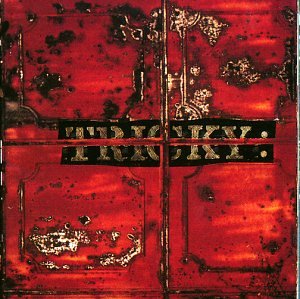


Recording, collaborators and sound
Tricky largely produced and assembled the album using sparse production techniques: clipped, irregular beats, heavy low-end, scattered samples and close-miked vocals. Martina Topley-Bird, who was closely involved with Tricky at the time, appears on many tracks and supplies hushed, sensual lead and backing vocals that contrast with Tricky’s whispering, half-spoken delivery. The record’s arrangements favour mood, texture and sonic space over conventional rock or pop song structures.
Title, themes and lyrical approach
The album’s title refers to Tricky’s mother, Maxine Quaye, who died when he was a child. That personal reference is reflected in the album’s recurring sense of vulnerability, memory and dislocation. Lyrically the songs tend to use impressionistic fragments and repeated motifs rather than straightforward narratives, exploring identity, intimacy, urban experience and fractured relationships through atmosphere as much as explicit storytelling.
Songs and notable reinterpretations
Maxinquaye contains a number of tracks that exemplify its aesthetic: slow, dense grooves, teasing silence and layered vocal interplay. One track, a reworking of a politically charged hip-hop song, demonstrates Tricky’s approach to source material—taking familiar elements and recasting them within his shadowy sonic palette. Other songs rely on minimal instrumentation, looping motifs and the interplay between hushed female vocals and Tricky’s murmured lines to create a claustrophobic mood.
Release history and editions
Upon its release the album attracted widespread critical attention for its originality and atmosphere, and it established Tricky as a singular voice emerging from the Bristol scene. The record has been reissued over the years; a notable UK re-release appeared on 2 November 2009 as a deluxe edition that included a second disc of remixes and additional material. Subsequent editions and remastered versions have continued to draw interest from listeners discovering 1990s British underground music.
Legacy and influence
Maxinquaye is frequently cited as one of the key recordings associated with the Bristol sound and with the broader trip hop movement of the 1990s. Its emphasis on atmosphere, unconventional rhythms and vocal contrast influenced producers and artists seeking a more introspective or shadowy alternative to mainstream electronic and hip-hop production. For many listeners and critics the album remains an essential document of that period and a defining early statement in Tricky’s catalogue.
Listening notes
- Listen for the close, intimate vocal production and the use of space—silence and breath are part of the arrangement.
- Pay attention to how samples and guitar or bass fragments are layered rather than used to build conventional riffs.
- Contrast between Martina Topley-Bird’s melodic lines and Tricky’s near-whispered spoken passages is central to the record’s tension.
Context
While the label ‘‘trip hop’’ is a retrospective tag applied to a range of Bristol-era artists, Maxinquaye helped crystallize a style that prioritized mood, slow grooves and a cinematic approach to production. The album sits alongside contemporaneous work by other Bristol musicians and is a useful entry point for understanding how disparate influences—hip hop, dub, soul, rock and electronic experimentation—were combined into a distinct, influential sound.
Related articles
Author
AlegsaOnline.com Maxinquaye — Tricky's debut album (1995) Leandro Alegsa
URL: https://en.alegsaonline.com/art/63040
Sources
- allmusic.com : "Maxinquaye > Review"
- robertchristgau.com : "CG: Tricky"
- ew.com : "Maxinquaye: Music Review:Entertainment Weekly"
- guardian.co.uk : "Tricky:Maxinquaye"
- rollingstone.com : "Maxinquaye: Tricky: Review"
- slantmagazine.com : "Tricky: Maxinquaye | Music Review"
- clashmusic.com : clashmusic.com/news/tricky-maxinquaye-re-issue-details/