
Me Against the World (Tupac Shakur album)
Third studio album by American rapper Tupac Shakur, released March 14, 1995. Debuted at No. 1 while he was incarcerated; noted for introspective lyrics, social themes and multiple Grammy nominations.
Overview
Tupac Shakur's third studio album, Me Against the World, was released on March 14, 1995. Written and recorded in the early 1990s, the record arrived during a turbulent period in the artist's life and captured a mood of reflection and urgency. Upon release the album debuted at number one on the Billboard 200, making Shakur the first artist to have an album enter the chart at the top while serving a prison sentence.
Image gallery
1 Image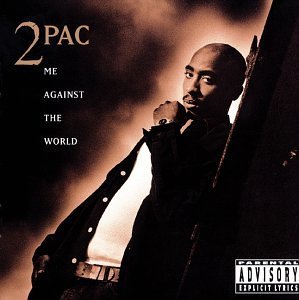
Themes and musical style
The album is widely recognized for its introspective, autobiographical lyrics. Songs address mortality, personal responsibility, family relationships, poverty, and conflict with both individuals and institutions. Musically, the collection blends hard-hitting hip hop beats with soulful samples and melodic hooks, creating a contrast between sparse production and dense, confessional verses. The overall tone runs from resigned and contemplative to defiant and resolute.
Notable tracks
- "Me Against the World" (title track) — a central statement of resistance and perseverance.
- "Dear Mama" — a tribute to maternal influence and sacrifice; one of the album's most acclaimed and enduring songs.
- "So Many Tears" — explores fear, survival and the emotional cost of violence.
These tracks exemplify the record's balance of personal narrative and wider social commentary. Guest vocalists and a range of producers contributed to a cohesive sound that underscored the album's emotional weight.
Release, reception and legacy
Me Against the World was released while the artist was incarcerated, a circumstance that shaped how critics and the public heard its lyrics. Reviewers praised the album for its honesty and depth, and it earned recognition at the 1996 Grammy Awards with a nomination for Best Rap Album; the single "Dear Mama" received a nomination for Best Rap Solo Performance. Commercially and culturally, the album strengthened Tupac's reputation as a complex and influential voice in hip hop, and it continues to be discussed in retrospectives for its candid exploration of vulnerability and resilience.
One of the album's most notable distinctions is its chart performance under extraordinary circumstances, a fact that has become part of its historical significance in popular music. Over time, it has been cited in discussions about hip hop's capacity for personal storytelling and its role in reflecting social realities.
Related articles
Author
AlegsaOnline.com Me Against the World (Tupac Shakur album) Leandro Alegsa
URL: https://en.alegsaonline.com/art/63292
Sources
- allmusic.com : "Me Against the World - 2Pac - Songs, Reviews, Credits"