
Mathon (Maton) — municipality in Graubünden, Switzerland
Mathon (Romansh: Maton) is a small mountain municipality in the Hinterrhein district of the canton of Graubünden, Switzerland, noted for its rural landscape and Romansh cultural heritage.
Overview
Mathon (Romansh: Maton) is a small mountain municipality and local community in the Swiss Alps. It forms part of the administrative unit commonly described as a municipality (municipality) in the district of Hinterrhein, within the canton of Graubünden (Graubünden) in Switzerland. The settlement exemplifies the dispersed, rural villages found in highland valleys of eastern Switzerland.
Image gallery
2 Images
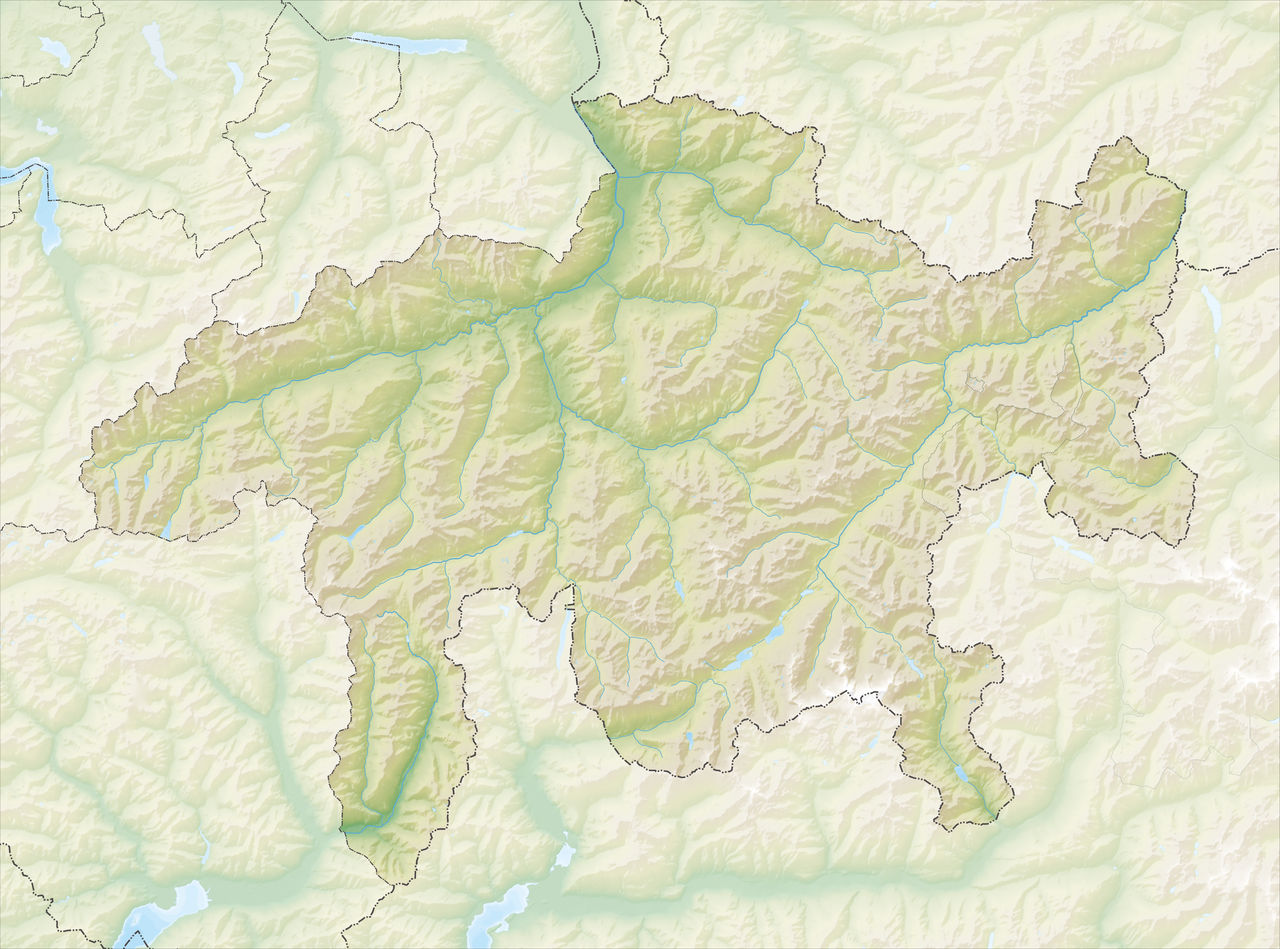
Geography and characteristics
Mathon occupies a typical alpine setting of steep slopes, pastures and forested areas. Buildings often reflect traditional alpine architecture and the community retains a low-density, village character. The local climate and terrain shape land use: mountain meadows, seasonal grazing, and small-scale agriculture are common, alongside areas left for conservation.
History and language
The village has deep roots in the mountain cultures of Graubünden. Like many communities in the region, it developed under medieval patterns of settlement and land tenure that favored small, self-reliant communities. The Romansh language and traditions have influenced local place names, customs and oral history, and bilingualism with German may also be present in daily life.
Economy, culture and daily life
Economic activity is typically based on agriculture, forestry and services that support village life and visitors. Small-scale tourism — walking, local festivals and cultural events — can supplement incomes. Community life often centers on local associations, seasonal agricultural work and the maintenance of traditional buildings and paths.
Administration and notable facts
As a municipality, Mathon is governed by a communal council responsible for local services, planning and liaison with cantonal authorities. Its modest size and mountain location make it representative of the many small municipalities that preserve regional languages and alpine ways of life in Graubünden. Visitors and researchers interested in alpine culture, traditional land use or Romansh heritage will find Mathon illustrative of these broader themes.
- Language note: local Romansh forms coexist with German idioms.
- Landscape: alpine pastures, forests and traditional village buildings.
- Administration: local municipal governance within Graubünden.
For maps, official statistics and administrative details consult cantonal or federal resources linked to municipal records and regional planning documents.
Related articles
Author
AlegsaOnline.com Mathon (Maton) — municipality in Graubünden, Switzerland Leandro Alegsa
URL: https://en.alegsaonline.com/art/62821
Sources
- bfs.admin.ch : "Arealstatistik Standard - Gemeinden nach 4 Hauptbereichen"
- bfs.admin.ch : "Ständige Wohnbevölkerung nach Staatsangehörigkeitskategorie Geschlecht und Gemeinde; Provisorische Jahresergebnisse; 2018"