
Matching — village and civil parish in Epping Forest, Essex
Matching is a small rural village and civil parish in the Epping Forest district of Essex, England, noted for its village green, parish community and historic rural character. Population recorded at 635 in 2001.
Matching is a village and civil parish located in the Epping Forest district of Epping Forest, within the county of Essex, England. It is a small, predominantly rural community consisting of a central settlement and surrounding farmland and hamlets. According to the 2001 census the parish had 635 residents.
Image gallery
6 Images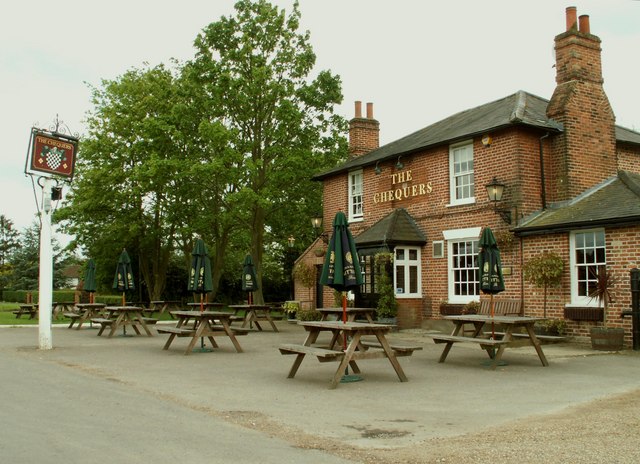



Characteristics
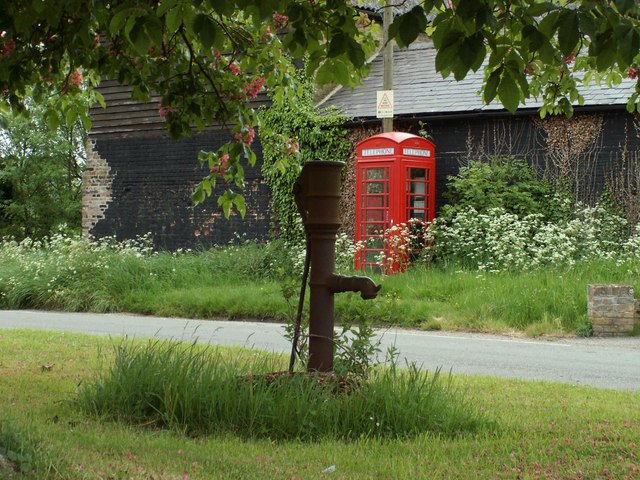
The parish is characterised by open green spaces, agricultural land and a mix of historic and more modern buildings. Many English villages of this type retain a village green, a parish church or chapel, and a small number of local amenities such as a village hall or public house. The settlement pattern tends to be low-density and dispersed rather than urban.
History and development
Matching shares much of the typical history of rural Essex parishes: medieval origins, long associations with farming and estate agriculture, and gradual change through enclosure, transport improvements and 20th-century shifts toward commuter living. As with many parishes, local records and landscape features can reflect centuries of continuous settlement and local governance under the parish system.
Governance and community
As a civil parish, Matching is governed locally by a parish council or meeting and falls within the administrative area of the Epping Forest district council and Essex county council for wider services. Community life often centres on voluntary organisations, parish events and shared facilities typical of English village communities.
Economy, transport and amenities
The local economy is largely rural with some residents employed in agriculture, small businesses or commuting to nearby towns and larger urban centres. Transport links are primarily by road; public transport may be limited and many households rely on private vehicles. Amenities commonly include a village green, local church, and community spaces supporting social activities.
Notable facts and distinctions
- Matching exemplifies a small Essex parish with a focus on rural life and conservation of local character.
- Population figures and details are recorded in national censuses and local records, useful for tracking demographic change.
- Visitors and researchers often consult district and county sources for official information about planning, services and heritage.
Related articles
Author
AlegsaOnline.com Matching — village and civil parish in Epping Forest, Essex Leandro Alegsa
URL: https://en.alegsaonline.com/art/62781
Sources
- neighbourhood.statistics.gov.uk : ONS