
Masahiko Tsugawa
Japanese actor and director (1940–2018), known for a long career in film and television including Otoko wa Tsurai yo, Tampopo, and Godzilla, Mothra and King Ghidorah.
Overview
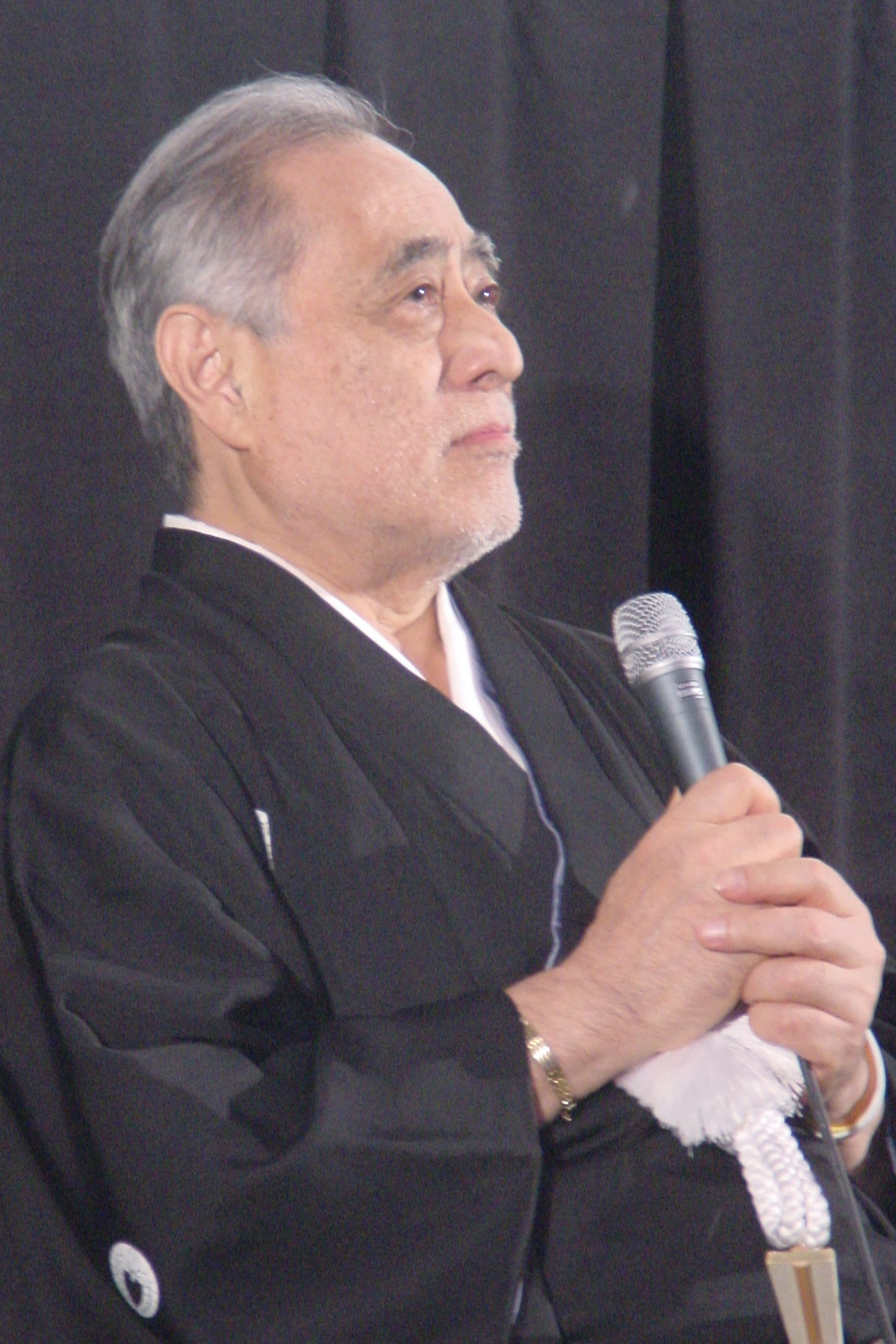
Masahiko Tsugawa (津川 雅彦, Tsugawa Masahiko), born Masahiko Kato (加藤雅彦, Katō Masahiko; January 2, 1940 – August 4, 2018), was a prominent Japanese actor and director. Born in Kyoto, Japan, he enjoyed a long career on screen and stage and was widely regarded as a versatile character performer whose work spanned comedy, drama, and genre films.
Image gallery
2 Images
Early life and name
Tsugawa was born with the surname Katō but adopted the professional name Tsugawa for his acting career. His lifetime coincided with major developments in postwar Japanese cinema and television, and he became part of that evolving industry from mid-20th century onward. His biographical details reflect both traditional theatrical roots and modern screen work.
Career and notable roles
Over more than five decades he appeared in a wide range of productions. He moved between leading and supporting parts, and his filmography includes popular series entries, art-house films, and mainstream genre pictures. Directors and audiences recognized him for the depth he brought to small roles as well as for his presence in central parts. He also directed and worked behind the camera on selected projects.
Selected filmography
- Otoko wa Tsurai yo (film series) — recurring appearances in the long-running comedy-drama franchise
- Tampopo (1985) — a widely known food-themed comedy directed by Juzo Itami
- Godzilla, Mothra and King Ghidorah: Giant Monsters All-Out Attack (2001) — a notable entry in the Godzilla franchise
Style, importance and legacy
Tsugawa was often praised for his adaptability: he could be wry or severe, comic or quietly moving. His body of work illustrates several currents in postwar Japanese cinema — from popular serials to internationally noted art films. As both performer and director he influenced younger actors and contributed to the continuity of screen acting traditions in Japan.
Final years
Masahiko Tsugawa died on August 4, 2018. At the time of his passing he was remembered as a veteran of Japanese film and television whose career bridged multiple eras. Retrospectives and listings of his work continue to introduce new viewers to his performances and to the varied films in which he appeared.
Related articles
Author
AlegsaOnline.com Masahiko Tsugawa Leandro Alegsa
URL: https://en.alegsaonline.com/art/62547
Sources
- news.livedoor.com : 津川雅彦さんが78歳で死去 朝丘雪路さん亡くし追うように