
Maringá, Paraná — overview, history and characteristics
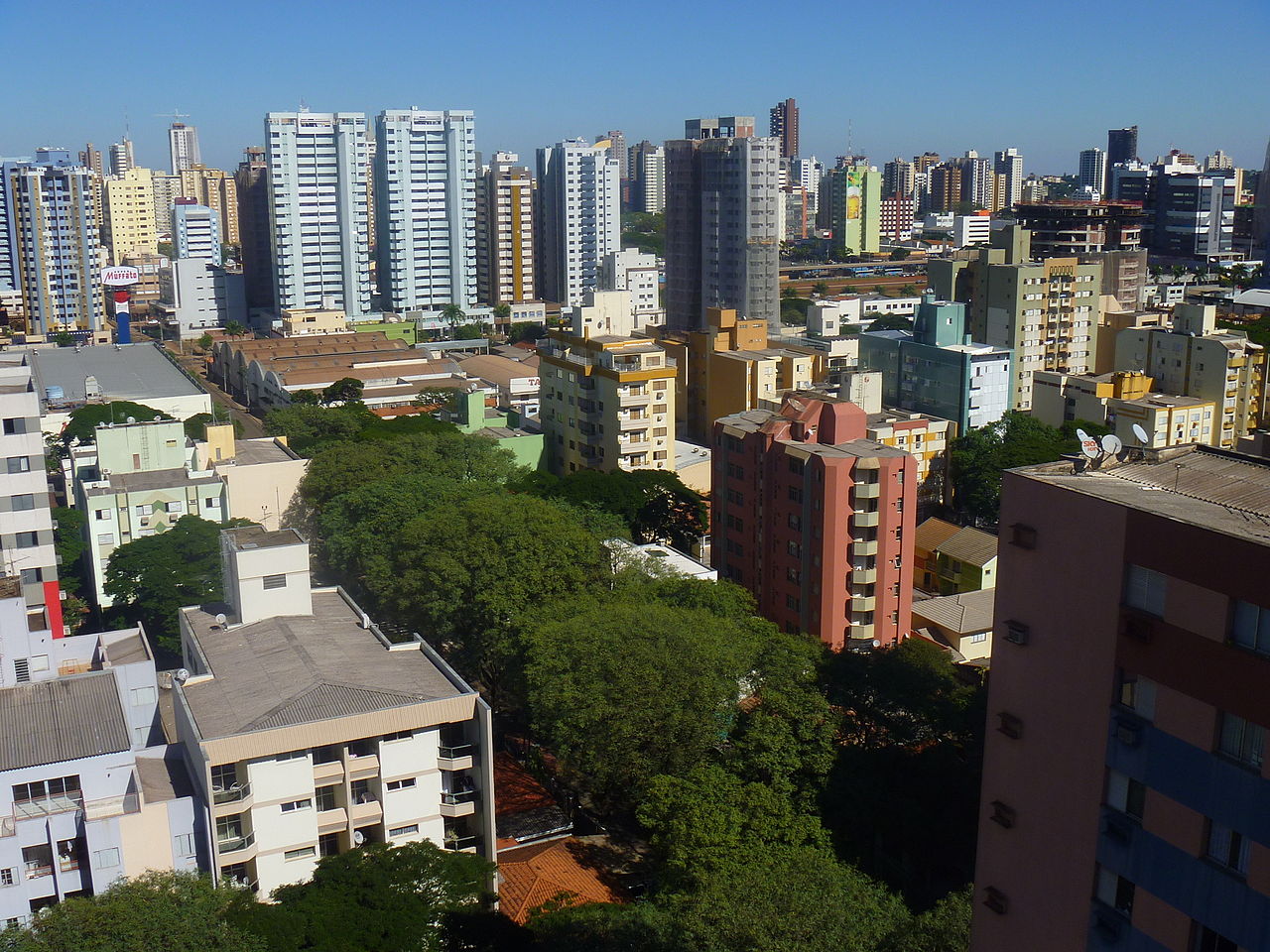
Maringá is a planned city in the state of Paraná in Brazil's Southern Region. Known for extensive urban greenery, modernist architecture and regional economic importance, it has about 400,000 inhabitants.

Overview
Maringá is a major city in the Brazilian state of Paraná, located in the Southern Region of the country. It is one of the largest urban centers in that state, with a population of roughly 400,000 residents and a municipality area of about 3,180 km². The city often attracts attention for its planned layout and abundant tree cover.
Image gallery
10 Images




Characteristics and urban design
Conceived as a planned settlement, Maringá combines a street plan that emphasizes broad avenues, civic squares and green corridors. The city center features notable modernist architecture and public spaces, while neighborhoods around it mix residential, commercial and industrial zones. Urban forestry and parks are prominent elements of the local identity.
History and development
Maringá developed rapidly in the mid-20th century as agriculture and migration spurred settlement in the region. Its design reflected contemporary planning ideas of the time, aiming to balance growth with public amenities. Over decades the municipality expanded services, higher education and cultural institutions that anchor the city's regional role.
Economy, culture and uses
The local economy is diversified: agriculture and agribusiness in surrounding districts, manufacturing and a service sector centered on commerce, education and health. Cultural life includes theaters, festivals and museums, while educational institutions serve students from the wider region. A prominent cathedral and several large parks are frequent visitor attractions.
Notable facts and distinctions
- Recognized for extensive urban greenery and tree-lined avenues.
- Functions as a regional hub for commerce, health care and education.
- Contains examples of mid-20th century modernist civic architecture.

Maringá's combination of planned urban form, cultural institutions and economic ties to surrounding agricultural areas makes it an important city in southern Brazil and a distinct example of planned urban growth in the 20th century.
Related articles
Author
AlegsaOnline.com Maringá, Paraná — overview, history and characteristics Leandro Alegsa
URL: https://en.alegsaonline.com/art/61953