
Marion County, Arkansas: Overview, History, Geography and Communities
Marion County, in northern Arkansas, is a largely rural county centered on Yellville. It features Ozark landscapes, outdoor recreation, a history dating to 1836, and an economy based on agriculture, timber and tourism.
Overview
Marion County is a county in the U.S. state of Arkansas. As recorded by the 2010 census, the county had a population of 16,653; more recent estimates show modest changes typical of many rural counties. The county seat is Yellville, located in the county's central area and serving as its civic and administrative center. Marion County was established on September 25, 1836, and was named for General Francis Marion, a Revolutionary War officer often known as the "Swamp Fox". The name and founding date reflect the era of early statehood for Arkansas.
Image gallery
5 Images
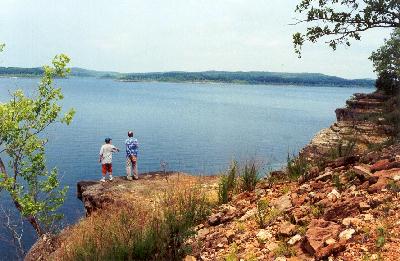


Geography and environment
Marion County lies within the Ozark Plateau region and is characterized by rugged hills, forested ridges and a network of streams and rivers. These landforms create scenic valleys and pockets of agricultural land. Water resources and nearby reservoirs and rivers support fishing, boating and wildlife habitat, while the mix of hardwood and pine forests has historically supported timber and related industries. The county's topography and natural areas attract outdoor recreation and seasonal visitors.
History and development
Organized in the first year after Arkansas achieved statehood, Marion County's early economy centered on subsistence farming, timber, and small-scale commerce. Its naming honored a Revolutionary War figure, reflecting a common practice of the period. Over the nineteenth and twentieth centuries, transportation improvements and the development of lakes and river recreation altered local patterns of settlement and visitor activity. Historic communities and courthouses remain focal points for local identity.
Economy, culture and recreation
The county's economy mixes agriculture, forestry, small manufacturing and service businesses that support residents and tourists. Outdoor recreation—fishing, hunting, boating and hiking—plays a significant role in local commerce, drawing anglers and visitors to the region's rivers and lakes. Community events, county fairs and local festivals in towns such as Yellville are important to cultural life and to maintaining civic ties across a dispersed rural population.
Government and communities
Local government is administered from the county seat and by elected officials responsible for roads, public safety and records. Major population centers and communities include Yellville and other small towns and unincorporated places that serve as commercial and social hubs for surrounding rural areas. Services are typically concentrated in these towns, while many residents live on farms or in low-density residential settings.
Notable facts and distinctions
- Founded in 1836 during Arkansas's first year as a state, the county reflects early American frontier settlement patterns.
- Its name commemorates a Revolutionary War officer, linking local identity to national history; see General Francis Marion for background on the namesake.
- Outdoor recreation and natural scenery are important to both lifestyle and the local economy, with visitors attracted to Ozark landscapes and nearby water resources.
For official statistics, demographic details and administrative information, consult county resources and state data portals. Further reading and maps are available from the Arkansas state archives and local historical societies; for general reference, see county pages and regional guides that cover the Ozark Plateau and northern Arkansas transportation and tourism networks. Marion County continues to balance rural traditions with economic adaptation to tourism and resource-based industries.
Related articles
Author
AlegsaOnline.com Marion County, Arkansas: Overview, History, Geography and Communities Leandro Alegsa
URL: https://en.alegsaonline.com/art/62020
Sources
- books.google.com : The Origin of Certain Place Names in the United States
- quickfacts.census.gov : "State & County QuickFacts"
- naco.org : "Find a County"