
Arsenic and Old Lace (play and 1944 film)
Black comedy originally a stage play by Joseph Kesselring, adapted as a 1944 film. It follows kind-hearted aunts who poison lonely men and the familial farce that ensues.
Overview
Arsenic and Old Lace began as a stage comedy and became one of the better-known American black comedies of the mid-20th century. The story mixes polite domesticity with macabre humor: two elderly sisters quietly administer poison to men they judge to be lonely or miserable, while members of their family attempt to conceal the crimes and cope with eccentric behavior.
Image gallery
4 Images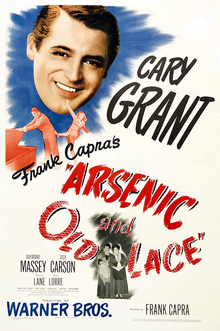


Plot and principal characters
The central household is that of the Brewster family. The aunts present themselves as kindly matrons but commit murders they consider merciful. Their nephew, a theatrically inclined newspaperman, discovers the truth and must reconcile his horror with family loyalty. Another brother believes he is a historical figure and buries the victims in the cellar, treating the burials as civic duty. The farcical situation deepens when a disreputable relative and his accomplices arrive, escalating confusion and danger.
Origins and stage history
Joseph Kesselring wrote the play in the late 1930s; it premiered on Broadway and became a popular, long-running production. Its success rested on the contrast between genteel domestic manners and the morbid subject matter, which audiences experienced as sharp, sustained comedy rather than pure horror. The piece has been frequently revived and adapted for radio and television over the years.
Film adaptation and notable performances
The best-known screen version dates from the 1940s and brought the story to a wider audience. It was adapted for film in a production that emphasized screwball and situational comedy as much as the original play’s darker irony. The cast included major stars: Cary Grant and Peter Lorre, whose performances helped cement the film’s reputation as a classic example of cinematic dark comedy.
Themes and legacy
At its heart the work satirizes social niceties, the impulse to judge others’ lives, and the gap between appearances and reality. Its enduring appeal lies in a tone that lets audiences laugh at shocking deeds because they are staged amid familiar domestic rituals. The play and film remain touchstones in discussions of black comedy and adaptations from stage to screen.
Notable facts
- The piece blends elements of farce, satire, and macabre humor rather than straightforward suspense.
- Its continued revivals and screen broadcasts testify to its flexible staging and popular appeal.
- The story is often cited in studies of how comedy can reframe morally troubling subject matter.
Related articles
Author
AlegsaOnline.com Arsenic and Old Lace (play and 1944 film) Leandro Alegsa
URL: https://en.alegsaonline.com/art/6187