
Peter Lorre: Hungarian-born Character Actor (1904–1964)
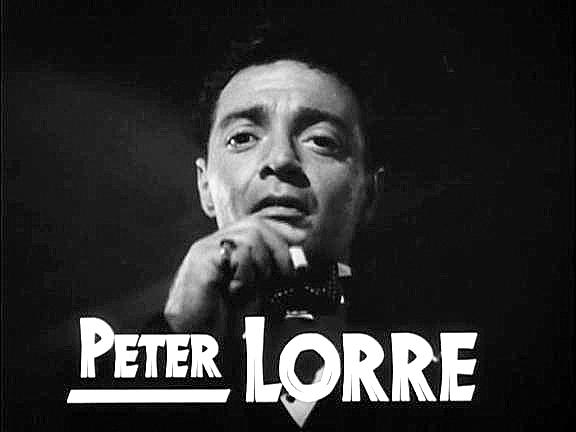
Peter Lorre (1904–1964), born László Löwenstein, was a Hungarian-born actor famed for his haunting features and versatile character work in German and American cinema.
Overview
Peter Lorre (born László / Ladislav Löwenstein; June 26, 1904 – March 23, 1964) was a Hungarian-born actor whose career spanned European theatre, early German sound cinema and Hollywood. He became widely known for a blend of vulnerability and menace that made him an unforgettable character player in both dramatic and comic parts.
Image gallery
10 Images




Early life and migration
Born in what was then Austria-Hungary, Lorre trained in theatre and began acting on stage in Central Europe. He rose to international prominence in the early 1930s but, as a Jewish artist, left Germany after the Nazi takeover and worked in Britain before relocating to the United States, where he continued a prolific film career.
Notable roles and career highlights
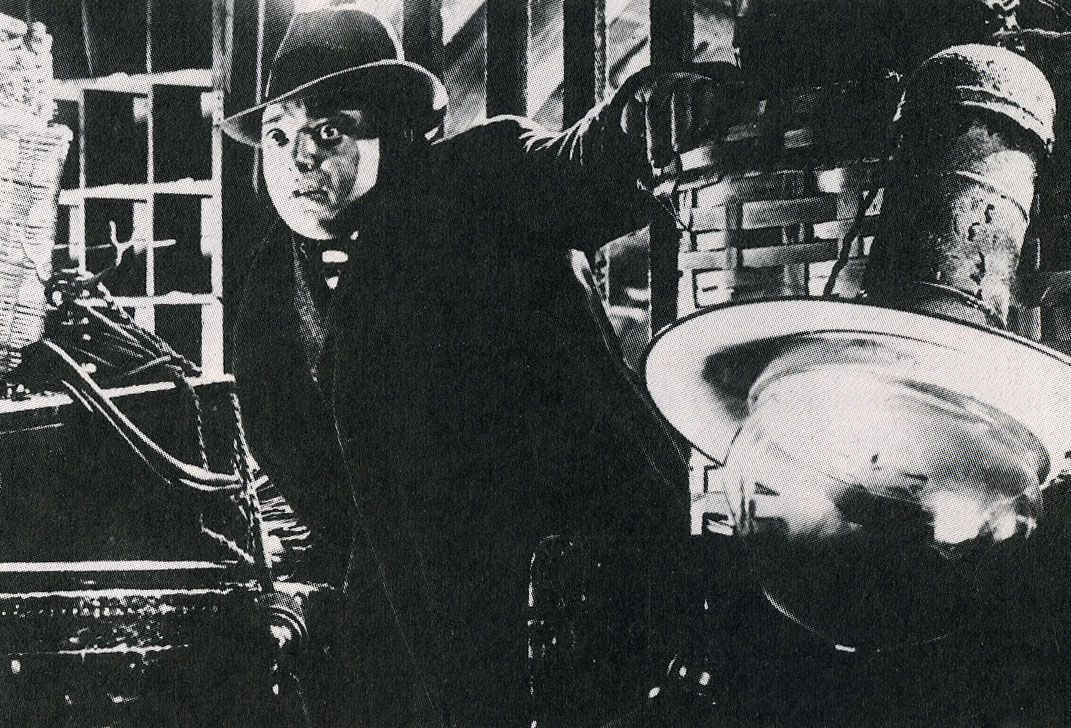
His breakthrough screen performance came in a leading role in a major German crime film of the early sound era, which established his ability to convey inner turmoil. In Hollywood he was often cast in noir and thriller projects and earned enduring recognition for several supporting roles directed by prominent filmmakers. For more on his life and work see biography resources.
Acting style and screen persona
Lorre's trademark features—large, expressive eyes and a distinctive voice—combined with precise physical mannerisms. Directors used these qualities to portray characters who were fragile, sinister, or oddly comic. He avoided simple typecasting for long stretches, moving between horror, noir, and dark comedy.
Selected filmography and legacy
- M (early 1930s) — major European sound film that made his name
- British thrillers of the 1930s — notable stage-to-screen work
- The Maltese Falcon and other Hollywood pictures of the 1940s — key supporting roles
- Later 1940s–1950s genre films that showcased his range
He continued to work in film, radio and television through the 1950s and early 1960s. Film historians cite him as a model of the character actor whose distinctive presence could dominate a scene. For film credits and archival material consult filmography listings and archival collections.
Questions and answers
Q: What was Peter Lorre's birth name?
A: Peter Lorre's birth name was Ladislav (László) Löwenstein.
Q: When was Peter Lorre born?
A: Peter Lorre was born on June 26, 1904.
Q: What was Peter Lorre's nationality?
A: Peter Lorre was a Hungarian-American.
Q: What was Peter Lorre's profession?
A: Peter Lorre was an actor.
Q: When did Peter Lorre pass away?
A: Peter Lorre passed away on March 23, 1964.
Q: What was Peter Lorre's famous role?
A: Peter Lorre's famous role was as the murderer in the film "M" directed by Fritz Lang.
Q: What was Peter Lorre's contribution to Hollywood?
A: Peter Lorre was a prolific character actor who appeared in many Hollywood films, including "The Maltese Falcon" and "Casablanca". He is remembered as one of Hollywood's most iconic horror actors.
Author
AlegsaOnline.com Peter Lorre: Hungarian-born Character Actor (1904–1964) Leandro Alegsa
URL: https://en.alegsaonline.com/art/128527