
Maria Röhl — Swedish Portrait Draughtswoman (1801–1875)
Maria Röhl (1801–1875) was a prolific Swedish portrait artist who produced hundreds of pencil, chalk and ink likenesses of 19th-century cultural and political figures; many works are held in Stockholm collections.
Maria Christina Röhl was a Swedish portrait draughtswoman whose economy of line and expressive likenesses made her one of the most sought-after portraitists in Sweden during the first half of the 19th century. Born in 1801 and passing away in 1875, she worked mainly in media such as pencil, chalk and ink rather than large oil canvases, producing intimate, relatively inexpensive likenesses at a time when painted portraits were costly and photography had not yet become widespread.
Image gallery
10 Images


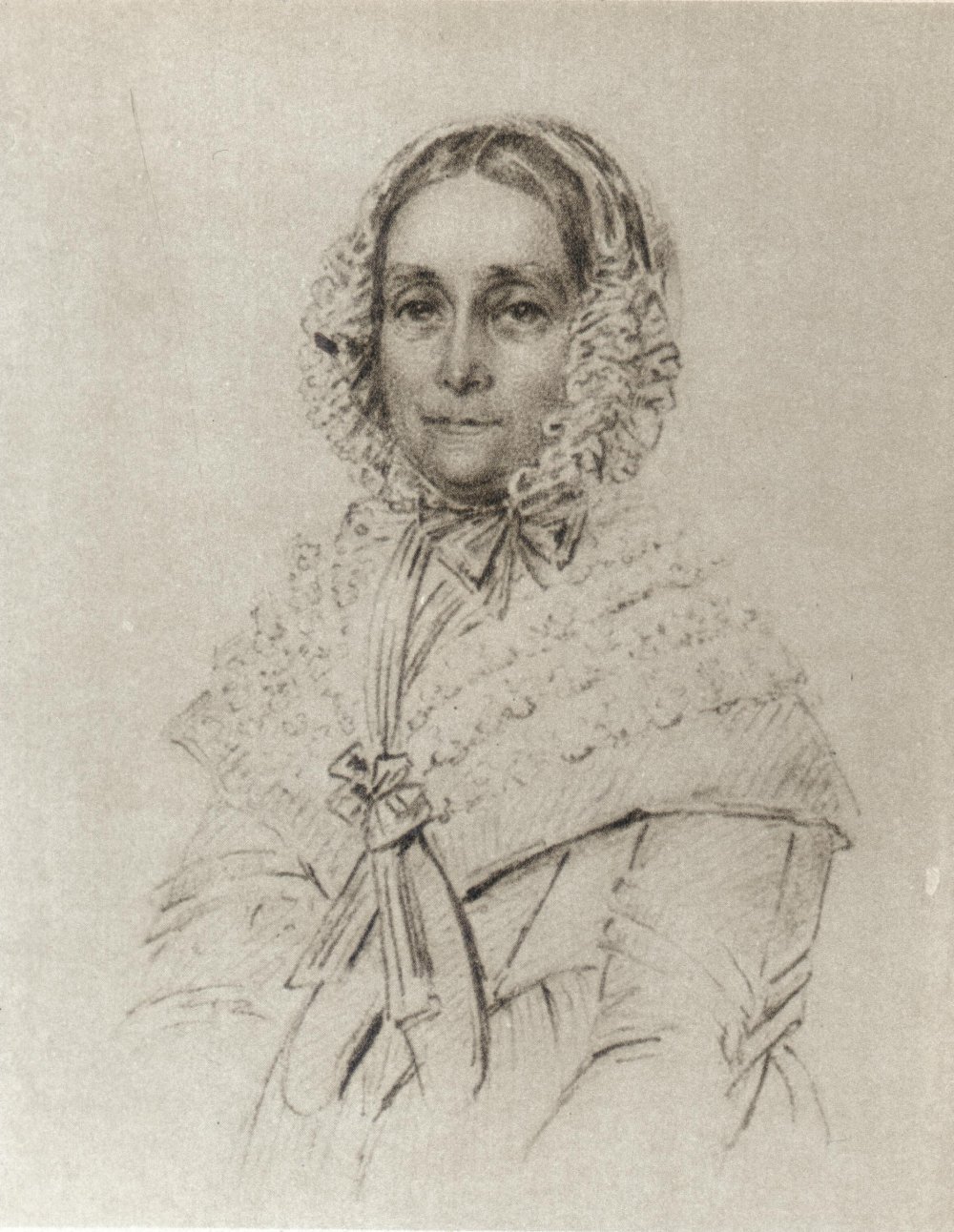


Style and typical subjects
Röhl is remembered for economical but accurate head-and-shoulders studies that capture both physical traits and individual character. Her portraits are typically executed on paper, often finished with subtle shading and confident contour lines. She made likenesses of a wide social range: members of the royal household, government officials, writers, artists and academics. Because of the modest cost and quick execution of her drawings, her services appealed to a broad clientele who wished to have a record of appearance without commissioning an oil portrait.
Early life and training
Born into a well-off Stockholm family, Röhl's circumstances changed when her parents died in 1822. With reduced means, she explored ways to support herself. She received instruction from established local artists who taught her the technical and observational skills necessary for portraiture. This training enabled her to translate social connections into a professional practice: she began by making likenesses of acquaintances and visitors in the households where she lived and worked.
Professional career and recognition
Röhl quickly became popular as a portraitist and maintained an active practice for around three decades. Her ability to render a credible likeness rapidly made her bookings common among Stockholm's elite and intellectual circles. In recognition of her standing she was appointed a court artist and granted official recognition as court painter in 1843. Seeking to broaden her artistic horizons she spent time studying abroad; records indicate travel and study between 1843–1846, including a period in Paris, which exposed her to contemporary European drawing practices.
Later years, decline in demand and legacy
While Röhl enjoyed steady commissions for many years, the rise of photography in the mid-19th century gradually reduced demand for hand-drawn portraiture. She continued to draw, but assignments became less frequent as photographic studios offered faster and cheaper likenesses. Today she is appreciated for the documentary and artistic value of her work rather than for any grand stylistic innovations.
Collections and notable facts
- Large groups of her drawings are preserved in Stockholm institutions; the Nationalmuseum in Stockholm and the royal collections hold substantial numbers of her portraits.
- Archival holdings include many hundreds—by some accounts around eighteen hundred—of her individual portrait sheets, an important resource for historians of Swedish culture and biography.
- Her work provides a valuable visual record of Sweden's cultural and political life in the first half of the 19th century and is often consulted for iconographic and biographical research.
Today Maria Röhl is recognized as a skilled practitioner of drawn portraiture whose accessible approach to likeness-making met the social needs of her time and left a sizable documentary legacy preserved in national collections.
Related articles
Author
AlegsaOnline.com Maria Röhl — Swedish Portrait Draughtswoman (1801–1875) Leandro Alegsa
URL: https://en.alegsaonline.com/art/61823