
Margot Honecker: East German politician and long-serving education minister
Margot Honecker (1927–2016) was a leading East German politician who directed the GDR education system for decades, shaping schooling, childcare and ideological instruction and remaining controversial after 1989.
Overview
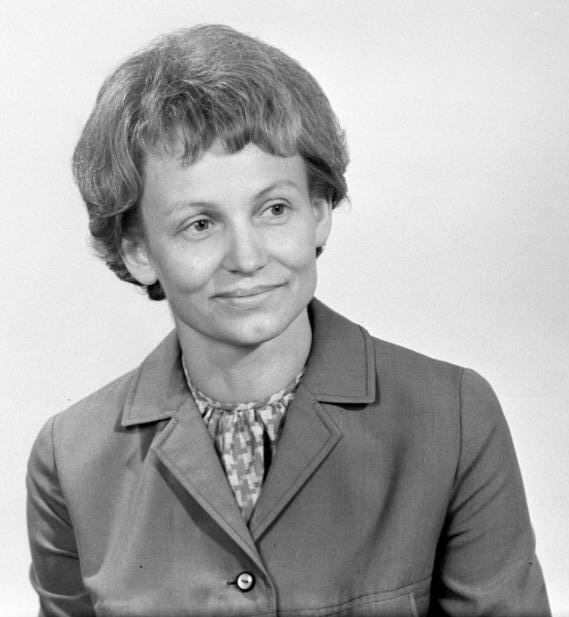
Margot Honecker (née Feist; 17 April 1927 – 6 May 2016) was a prominent figure in the German Democratic Republic. She belonged to the ruling party Socialist Unity Party (SED) and held high office in the GDR government. Her policies and public role made her one of the best-known and most contested politicians of the East German regime. She was born in Halle, in what is today Saxony-Anhalt (Halle), and spent much of her adult life shaping the state education system.
Image gallery
10 Images


Political career and role
Honecker rose through youth and party organizations to become Minister of People's Education, a position she held for many years. As minister she centralized schooling, promoted political and social education based on socialist principles, and expanded state-provided childcare and extracurricular programs. Her approach linked formal schooling with party objectives and the preparation of young people for socialist citizenship. She is often described as a staunch advocate of the regime's ideological priorities (East German politician).
Policies and administration
Her tenure saw a highly organized school system with a uniform curriculum and extensive youth organizations. Notable elements included:
- Comprehensive, state-run early childhood programs and widespread kindergarten access.
- Standardized, centrally planned curricula emphasizing Marxist-Leninist theory, history, and collective values.
- Close ties between schools and youth organizations that reinforced political education outside class time.
Controversies and criticism
Honecker was a polarizing figure. Critics charged that the education system she led prioritized ideological conformity over academic freedom and that schools were tools for political socialization. After reunification, she faced accusations related to repressive practices in the GDR; some alleged she bore responsibility for harsh measures affecting children of dissidents. These claims remain part of broader, often contested debates about accountability for policies under the GDR.
Later life and legacy
Following the collapse of the GDR in 1989 she left Germany and later lived in exile with her husband, Erich Honecker. They eventually settled in Chile, where she spent her final years and died in 2016. Her long stewardship of education left a mixed legacy: supporters point to expanded social services and educational access, while opponents emphasize indoctrination and political repression. Margot Honecker remains an emblematic figure for discussions about state education, ideology, and the limits of political influence in schools.
Related articles
Author
AlegsaOnline.com Margot Honecker: East German politician and long-serving education minister Leandro Alegsa
URL: https://en.alegsaonline.com/art/61785
Sources
- independent.co.uk : "The Exile Factor: Wives of Deposed Dictators"
- huffingtonpost.com : "Margot Honecker, Widow Of East German Dictator, Defends Regime In Shocking Interview"
- 24horas.cl : "Muere en Chile Margot Honecker, la mujer fuerte de la Alemania comunista"