
Marest (Pas-de-Calais commune)
Marest is a small rural commune in the Pas-de-Calais department of northern France. The article summarizes its location, geography, history, administration, economy and local points of interest.
Overview
Marest is a small rural commune in the Pas-de-Calais department of northern France. It lies in the territory long known as the region historically called Nord-Pas-de-Calais, an area now included within the larger Hauts-de-France administrative region. As with many villages in the area, Marest serves as a local centre for surrounding farms and hamlets and retains a quiet, agricultural character.
Image gallery
2 Images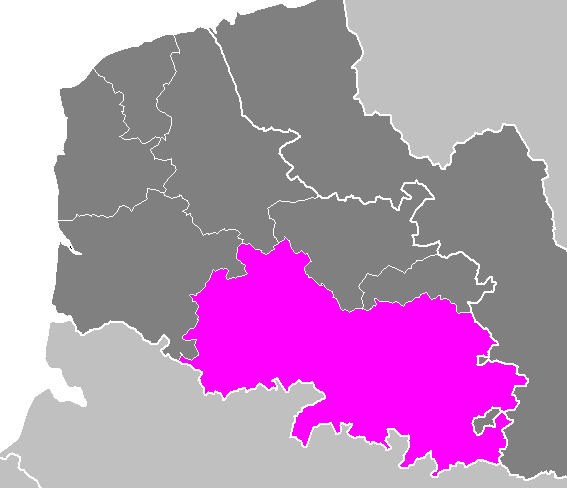

Geography and landscape
The landscape around Marest is characterised by gently rolling fields, hedgerows and small wooded patches. Land use is dominated by mixed farming, with cereals, pasture and small-scale grazing typical of the locality. The commune is connected by departmental roads to nearby market towns and lies within reach of wider regional amenities.
History and heritage
Like many settlements in Pas-de-Calais, Marest has roots stretching back to the medieval period and developed around parish structures and rural agriculture. Local heritage commonly includes a parish church, a war memorial commemorating twentieth-century conflicts and traditional brick or stone houses that reflect regional building styles.
Administration and community life
Marest is governed as a French commune by a municipal council and mayor, who oversee local services, planning and communal facilities. Community activities typically revolve around the town hall, local associations and events shared with neighbouring communes.
Economy and services
The local economy is primarily agricultural, supported by small businesses, craftsmen and residents who commute to larger towns for employment. Basic services are often shared at intercommunal level and residents use nearby market towns for larger shops, schools and healthcare.
Landmarks, culture and tourism
Points of interest in Marest are modest but locally valued: the village church, traditional farmsteads, a village green or square and memorials to local history. Countryside activities such as walking, cycling and visits to local markets attract rural tourism from visitors seeking an authentic regional experience.
Transport and connections
Transport links reflect the commune's rural character: departmental roads provide access to adjacent communes and the nearest rail and major commercial services are located in larger towns of the Pas-de-Calais department. Residents typically rely on private cars and regional bus services for daily travel.
- Status: commune
- Region (historic): region (Nord-Pas-de-Calais)
- Department: Pas-de-Calais (department)
- Location: northern France
Related articles
Author
AlegsaOnline.com Marest (Pas-de-Calais commune) Leandro Alegsa
URL: https://en.alegsaonline.com/art/61721