
Marche-en-Famenne — municipality in Belgian Luxembourg
Marche-en-Famenne is a Walloon municipality in the Belgian province of Luxembourg. A regional market town in the Famenne area, it serves as a local commercial and cultural centre with historical roots.

Marche-en-Famenne is a municipality in Wallonia, the French-speaking region of Belgium. It lies in the natural region known as the Famenne and is administratively part of the Belgian province of province of Luxembourg. The town occupies coordinates roughly 50°13′N, 5°20′E and had an official population of about 17,066 people in 2007.
Image gallery
6 Images

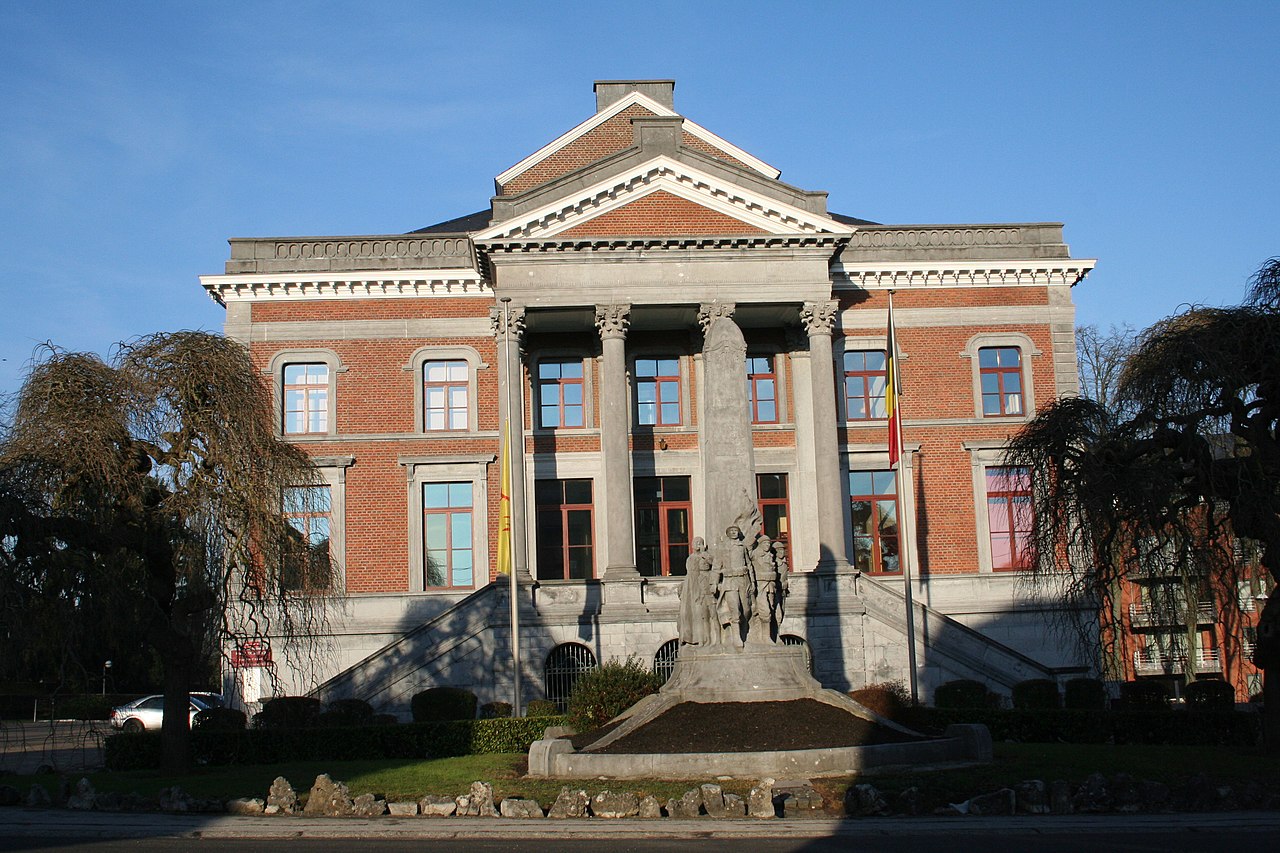
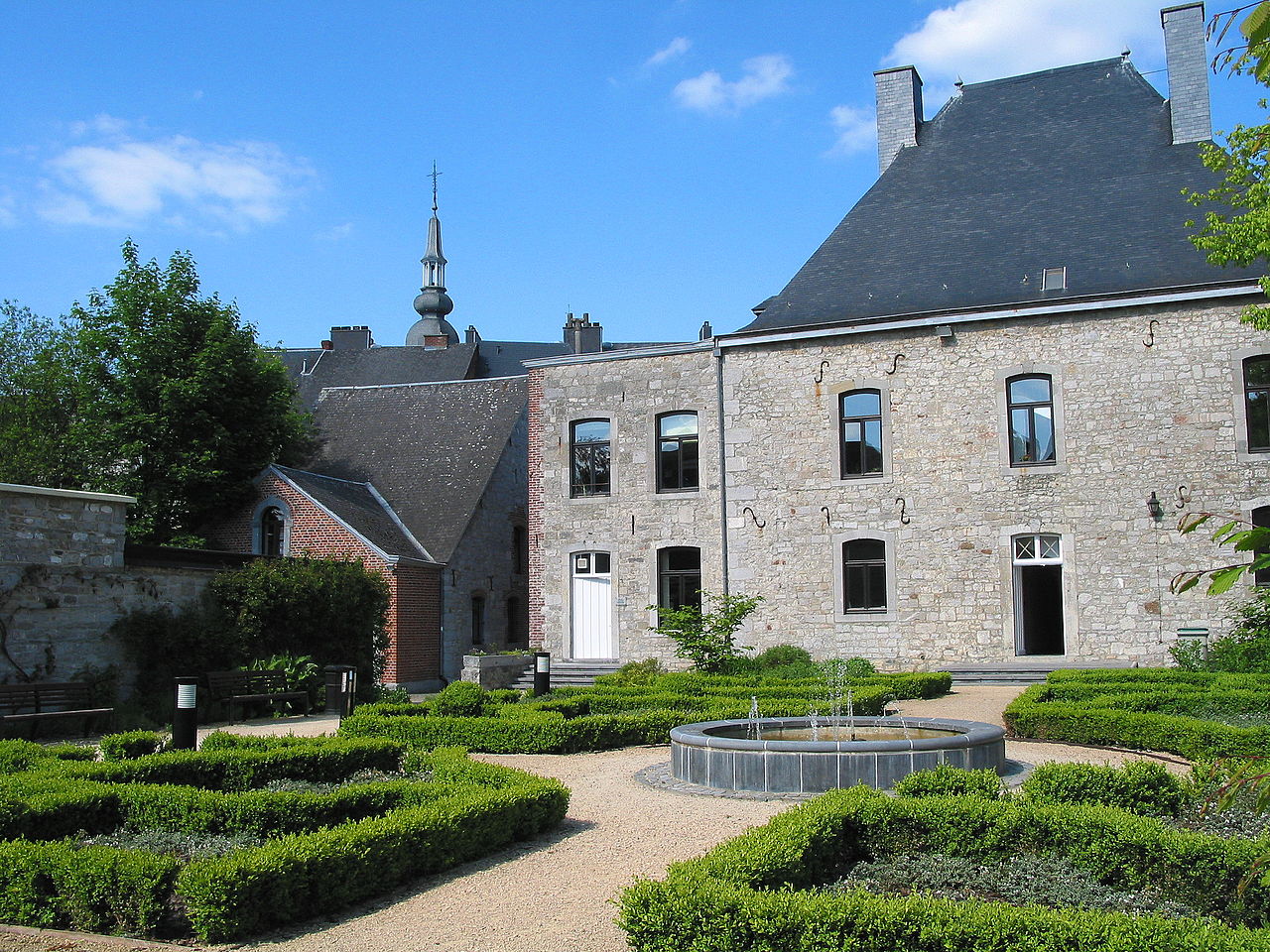


Overview and character
Historically a market town — the name Marche refers to a market — Marche-en-Famenne developed as a local centre for trade, crafts and rural services. Its streets combine civic buildings, churches and shops, and the town functions as a service hub for surrounding villages and agricultural areas. The surrounding landscape mixes limestone plains of the Famenne with wooded slopes toward the Ardennes.
History and development
The town's origins reach back to the medieval period, when regional markets and fairs anchored local economies. Over centuries Marche-en-Famenne grew around those commercial activities and the institutions that supported them. Remnants of older architecture can still be seen in the town centre, reflecting phases of rebuilding and stylistic change from medieval to modern times.
Economy, culture and uses
Today the local economy blends retail, public administration, light industry and services catering to residents and visitors. Marche-en-Famenne hosts regular markets and cultural events that draw people from nearby communes. It also serves as a gateway for recreational visitors exploring the Famenne landscape and neighbouring natural sites.
Practical information and notable facts
- Administrative status: municipality in Wallonia; see the municipal page for details at official sources.
- Location: inland, in the Famenne region, with convenient road links to other towns in Belgian Luxembourg and the Ardennes.
- Heritage: a historic market nucleus with churches and public buildings illustrating local history.
For current administrative, cultural and tourism information consult local authorities and regional resources such as regional portals or the municipal website. Visitors are advised to check opening hours for attractions and any scheduled events before travelling.
Related articles
Author
AlegsaOnline.com Marche-en-Famenne — municipality in Belgian Luxembourg Leandro Alegsa
URL: https://en.alegsaonline.com/art/61651
Sources
- statbel.fgov.be : Werkelijke bevolking per gemeente op 1 januari 2007 / Population de droit par commune au 1 janvier 2007 (.xls)
- statbel.fgov.be : Geografische coördinaten van de gemeenten (.xls)