
Rede Globo: Brazil’s major commercial television network
Rede Globo (Globo) is Brazil's largest commercial TV network, founded in 1965. Known for telenovelas, national news and broad reach, it is owned by Organizações Globo and has a significant cultural and media presence.
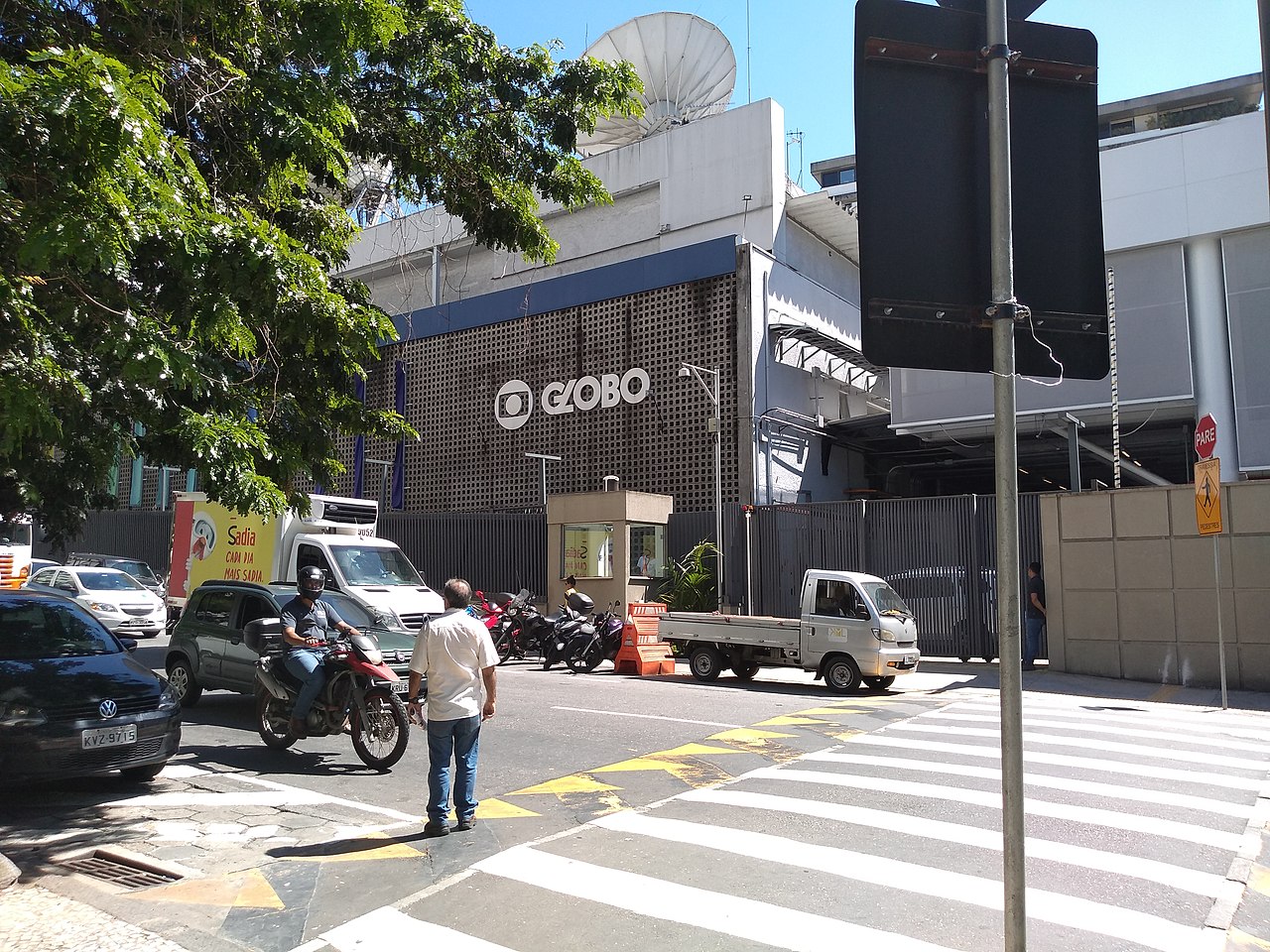
Rede Globo, commonly called Globo, is a major Brazilian television network headquartered in Rio de Janeiro and widely regarded as the country's principal broadcaster. Launched on April 26, 1965, by media proprietor Roberto Marinho, Globo grew into the flagship asset of the media group Organizações Globo. It operates a national network of channels and local affiliates across Brazil, and distributes programming internationally.
Image gallery
2 Images
History and development
Globo began in the mid-1960s and expanded through investment in production facilities, regional stations and centralized programming. Over decades it built a reputation for high-production-value entertainment and news. The network diversified into cable, satellite and digital services, creating sister outlets that focus on news, sports and international distribution. In many industry summaries Globo is cited as one of the world's largest commercial broadcasters, sometimes compared with the American Broadcasting Company (ABC) in scale and reach.
Organization and reach
Organizações Globo remains the parent company and oversees television, radio and print interests. Globo's main channel carries national news, drama, variety shows and sporting events, while the group operates specialty channels and an international feed for audiences abroad. The network relies on a mix of centralized scheduling and regional affiliates to serve local markets.
Programming, telenovelas and personalities
Globo is particularly well known for producing dramatic serials and soap operas, especially the Brazilian telenovela format that has been both a domestic staple and an export. Its news programs, weekend magazines and entertainment shows have launched many public figures. Presenters such as Fátima Bernardes and other prominent presenters and journalists have become national personalities through the network.
Influence and notable facts
- Globo has played a central role in Brazil's television culture: its dramas, news and live events often shape national conversation.
- The network invests heavily in production, contributing to the popularity of Brazilian audiovisual exports.
- Like many large media organizations, Globo has been subject to public scrutiny and debate about its influence and editorial decisions.
Today Globo continues to adapt to streaming and digital platforms while maintaining a dominant presence in conventional broadcast television, with a programming mix designed to reach diverse audiences across Brazil and beyond.
Related articles
Author
AlegsaOnline.com Rede Globo: Brazil’s major commercial television network Leandro Alegsa
URL: https://en.alegsaonline.com/art/81731