
Arronnes — a commune in Allier, central France
Arronnes is a small commune in the Allier department of central France. This article summarizes its location, landscape, historical development, local governance, economy and cultural features.
Arronnes is a French commune situated in the Allier department, within the broad area known as central France. Like many rural communes in the region historically called Bourbonnais, it is characterized by a mixture of farmland, small woodlands and scattered hamlets rather than a dense urban centre. Its scale and settlement pattern reflect long-standing agricultural use and a modest residential community.
Image gallery
1 Image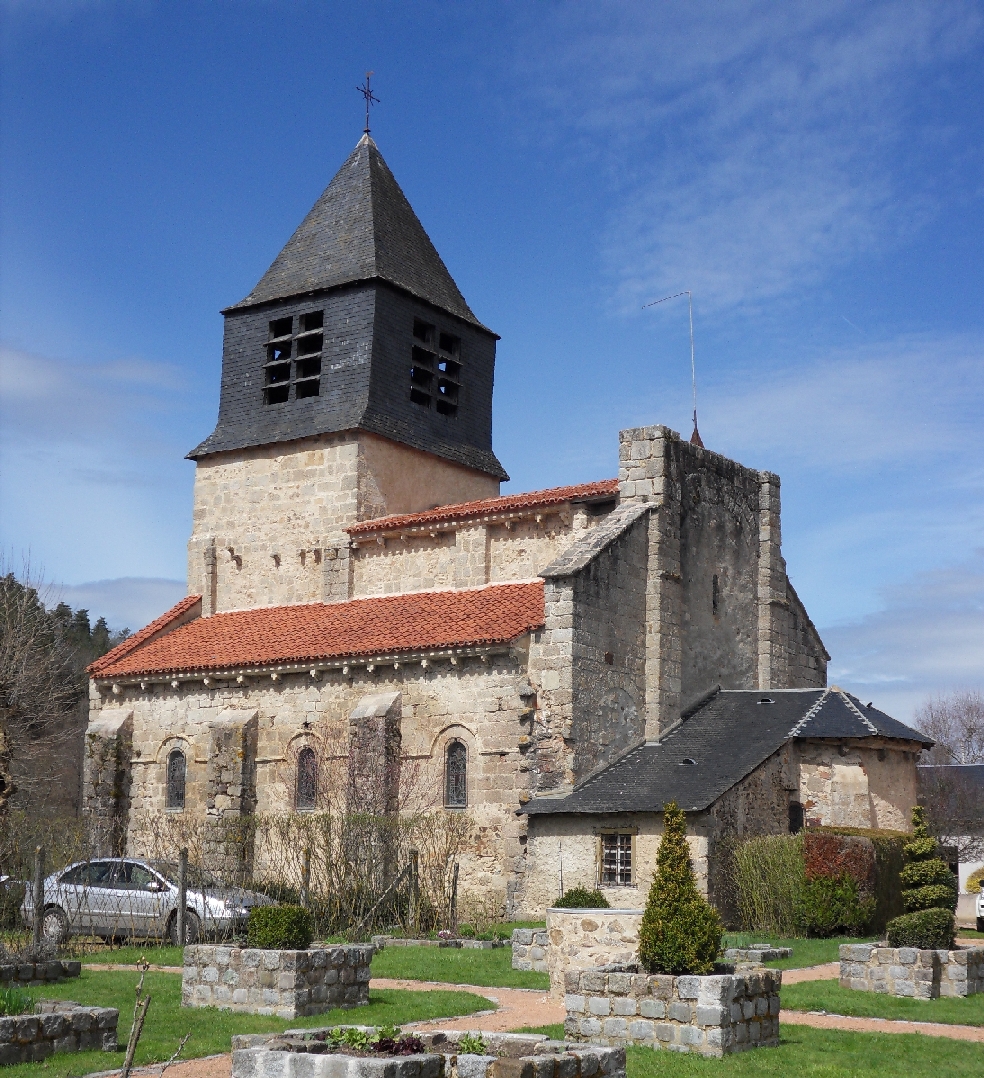
Geography and local features
The territory of Arronnes typically includes cultivated fields, pastures, short stretches of forest and a village core with a mairie (town hall) and a parish church. Narrow lanes connect a handful of houses and farmsteads. The surrounding countryside offers opportunities for walking, nature observation and simple rural tourism.
History and development
Settlement in the area dates back many centuries, with local life shaped by feudal landholding and later by the agricultural changes of the modern era. Like other French communes, Arronnes acquired its formal status during the administrative reorganisations that followed the Revolution. Over the 19th and 20th centuries its population and economy evolved as mechanisation, urban migration and changing markets affected rural life.
Administration and community life
Arronnes is governed by a mayor and a municipal council responsible for local services, planning and community events. Typical responsibilities include maintenance of communal buildings, elementary infrastructure and local cultural programming. Community life often centers on fêtes, markets and commemorations that sustain local identity.
Economy, culture and attractions
The local economy leans on agriculture, small-scale artisanal activity and rural tourism. Visitors may be drawn by peaceful landscapes, opportunities for outdoor recreation and traditional architecture. Points of interest commonly include the village church, a war memorial and nearby lanes suited to cycling and walking.
Notable aspects and distinctions
- Part of the historical Bourbonnais cultural area with regional architectural traits.
- Represents the small‑commune model that is central to French local governance.
- Appeals to people seeking low-density rural environments and nature-based leisure.
For further administrative or statistical details, consult official departmental resources and local municipal publications, which provide up-to-date information on governance, services and events.
Related articles
Author
AlegsaOnline.com Arronnes — a commune in Allier, central France Leandro Alegsa
URL: https://en.alegsaonline.com/art/6158
Sources
- insee.fr : INSEE